
 ▶
 ▶
Guide
Responsibilities, values, procedures. Clearly organised.
Classifications relating to obligations, standards and procedures in water hygiene and water treatment. Each article cites its sources and distinguishes between what the regulation requires and what it merely recommends.
Topics include Legionella (TrinkwV, the German Drinking Water Ordinance), the 42. BImSchV (the German ordinance on evaporative cooling systems, cooling towers and wet separators), AbwV Anhang 51 (the German Wastewater Ordinance) for landfill leachate, GH.OPS.320 and Delegated Regulation (EU) 2025/20 for aircraft drinking water, and CIP in food and beverage production.
Articles
8 articles
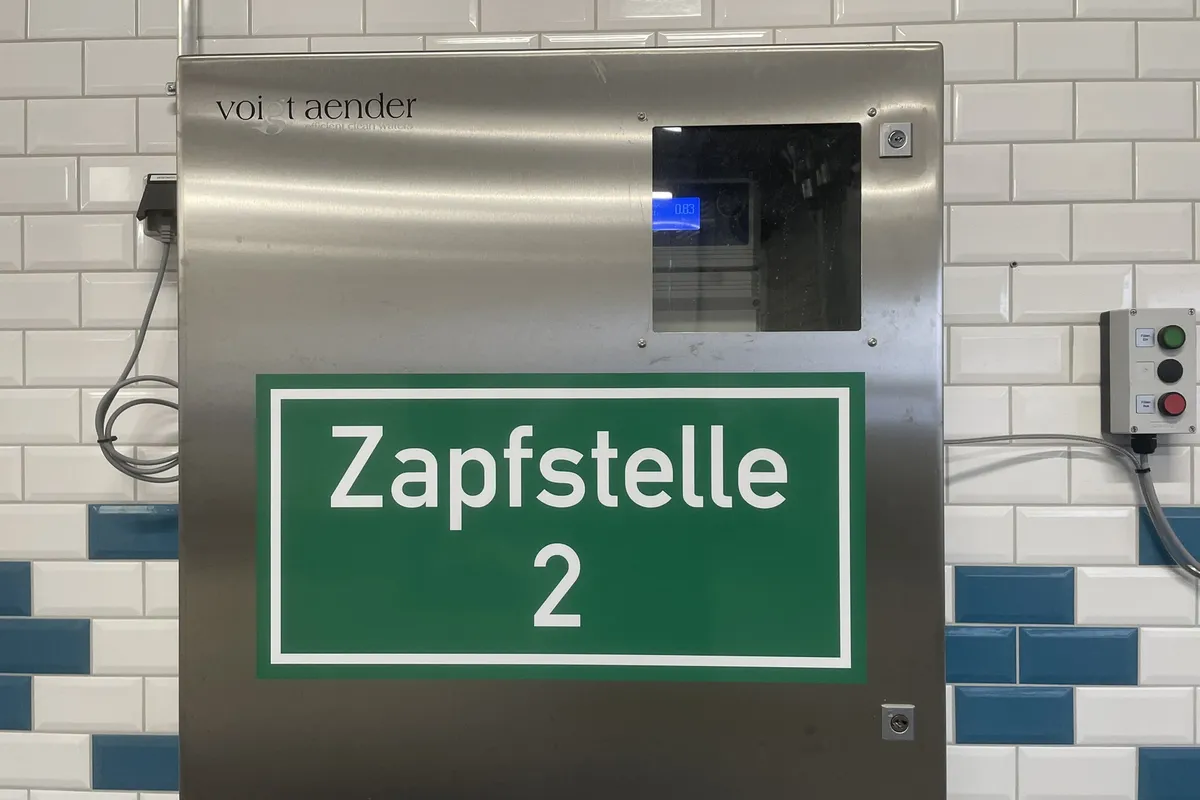
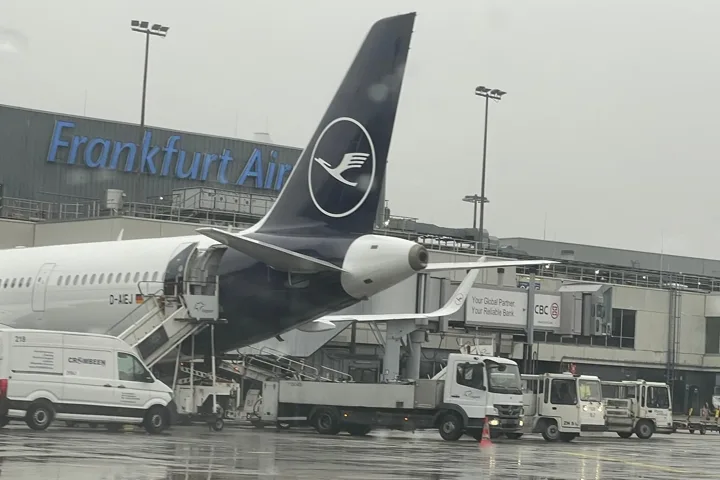
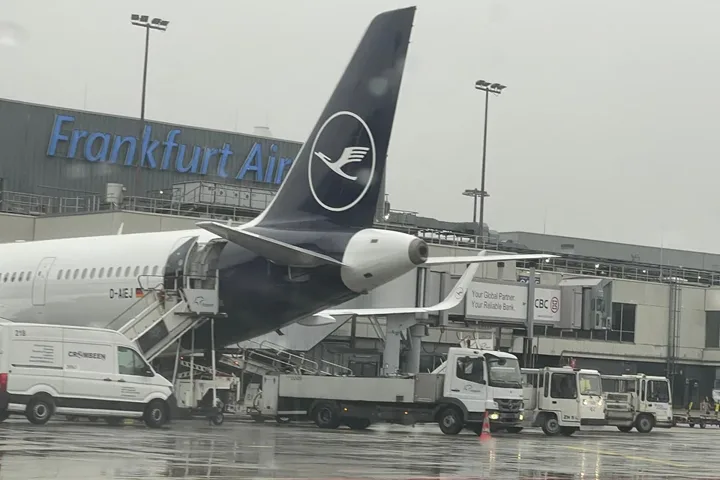
Drinking water service for aircraft
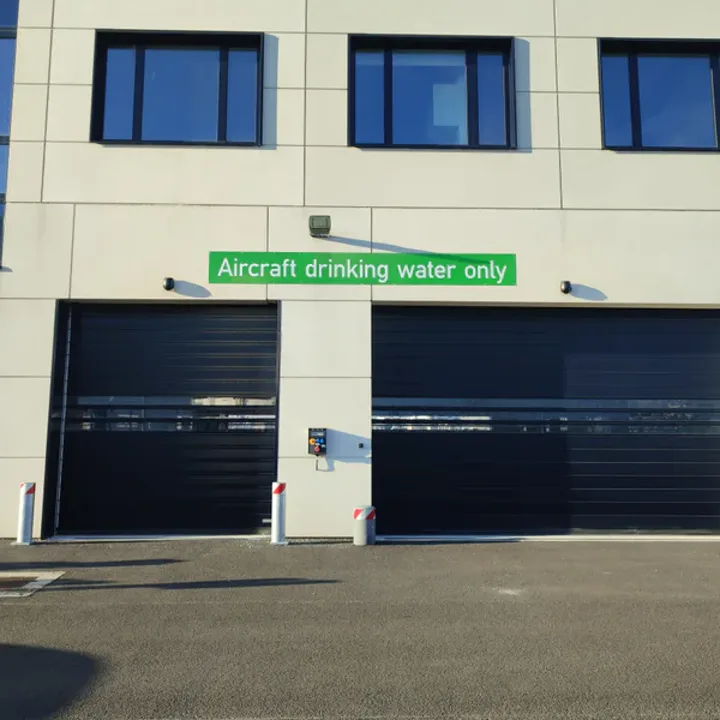
What GH.OPS.320 Requires for Potable Water Servicing
Explore the key requirements of GH.OPS.320 related to water service in ground handling, clarifying binding texts and AMC recommendations to ensure compliance.
20 July 2026 · 5 minutes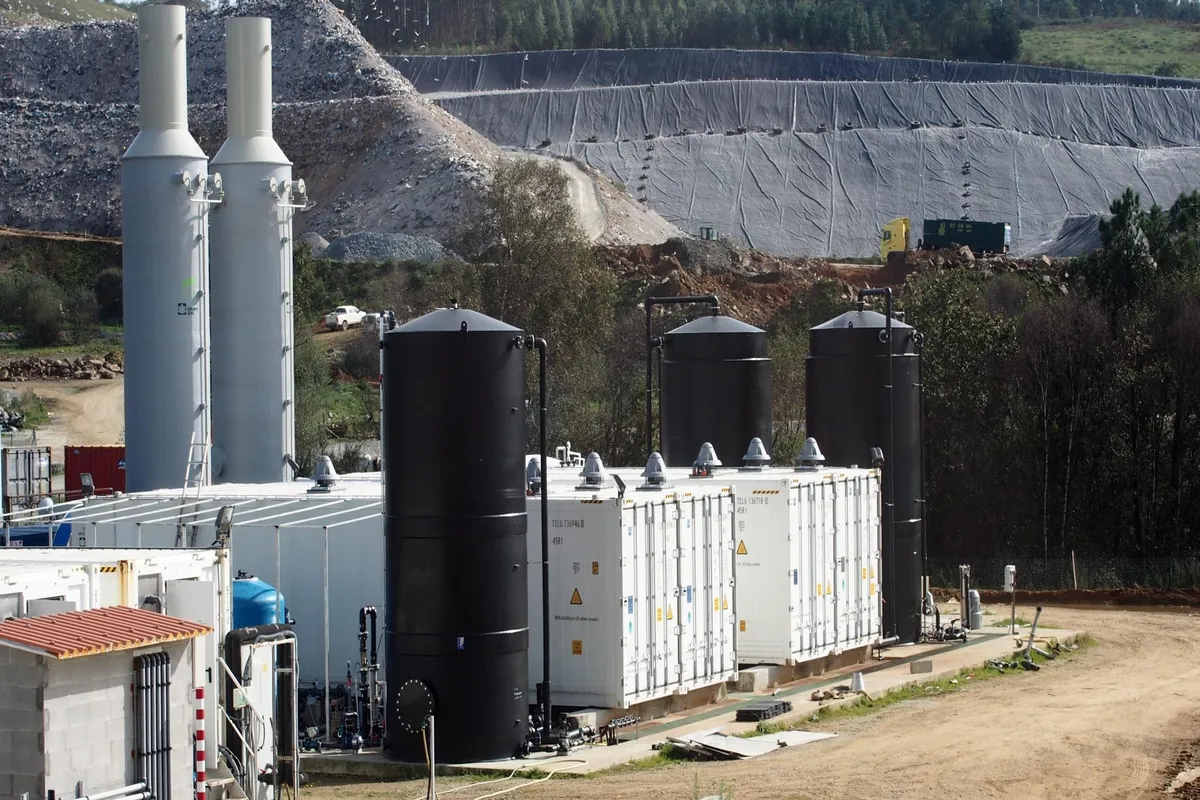
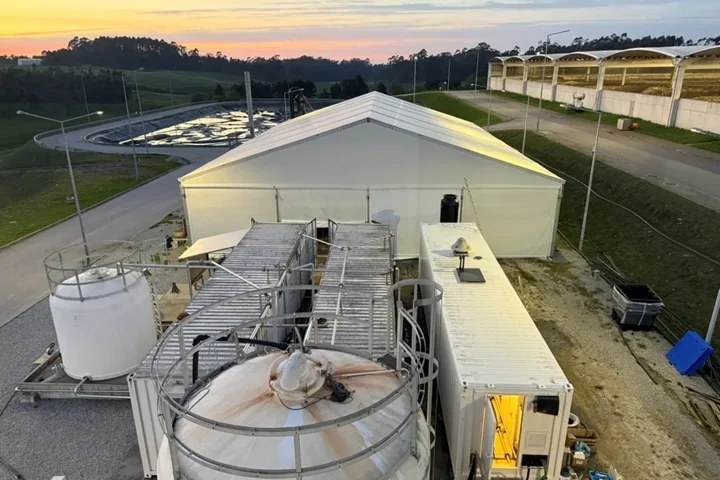
Landfill leachate, pilot study and plant
When Does Annex 51 of the AbwV Apply?
Learn the critical requirements of Annex 51 of the AbwV and how to properly apply threshold values in the treatment of landfill leachate.
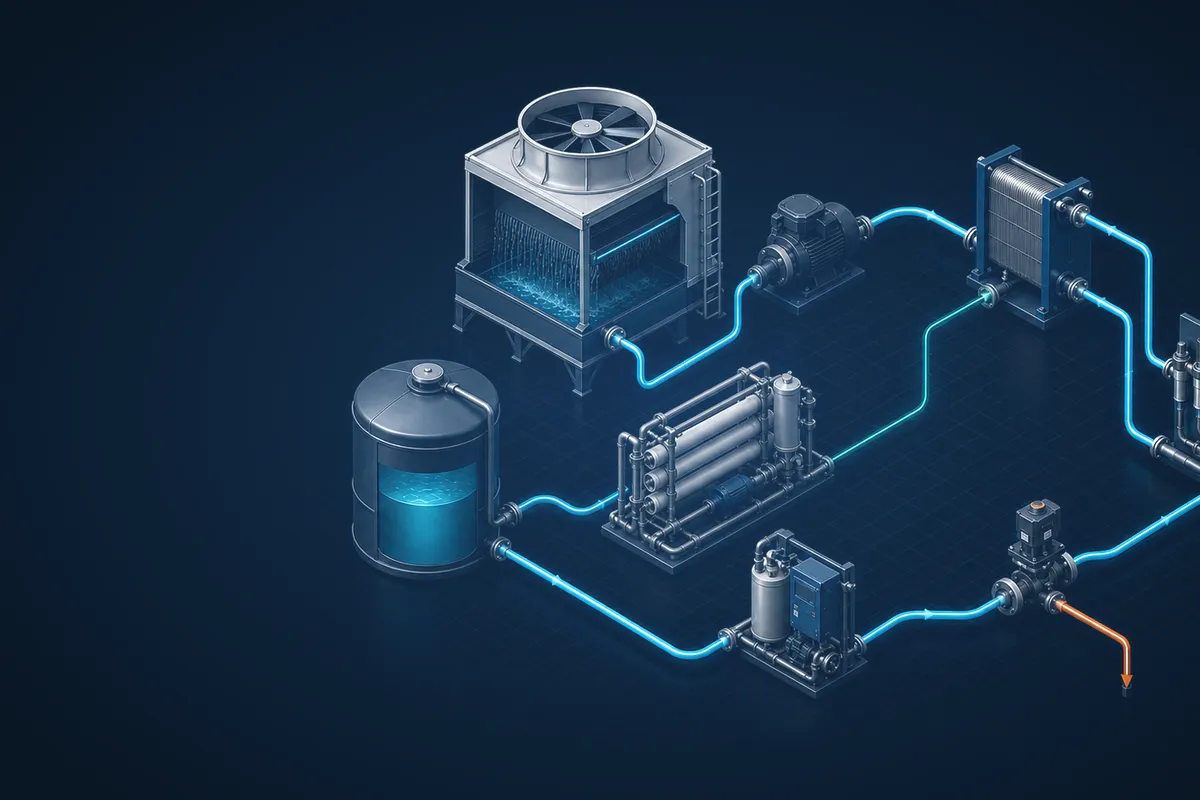 3D illustration created with AI
Supplier-neutral water planning
Water Efficiency First: A Structured Approach for Industry
For an industrial site that uses a lot of water, the first useful step is a clear picture of how that water is actually used.
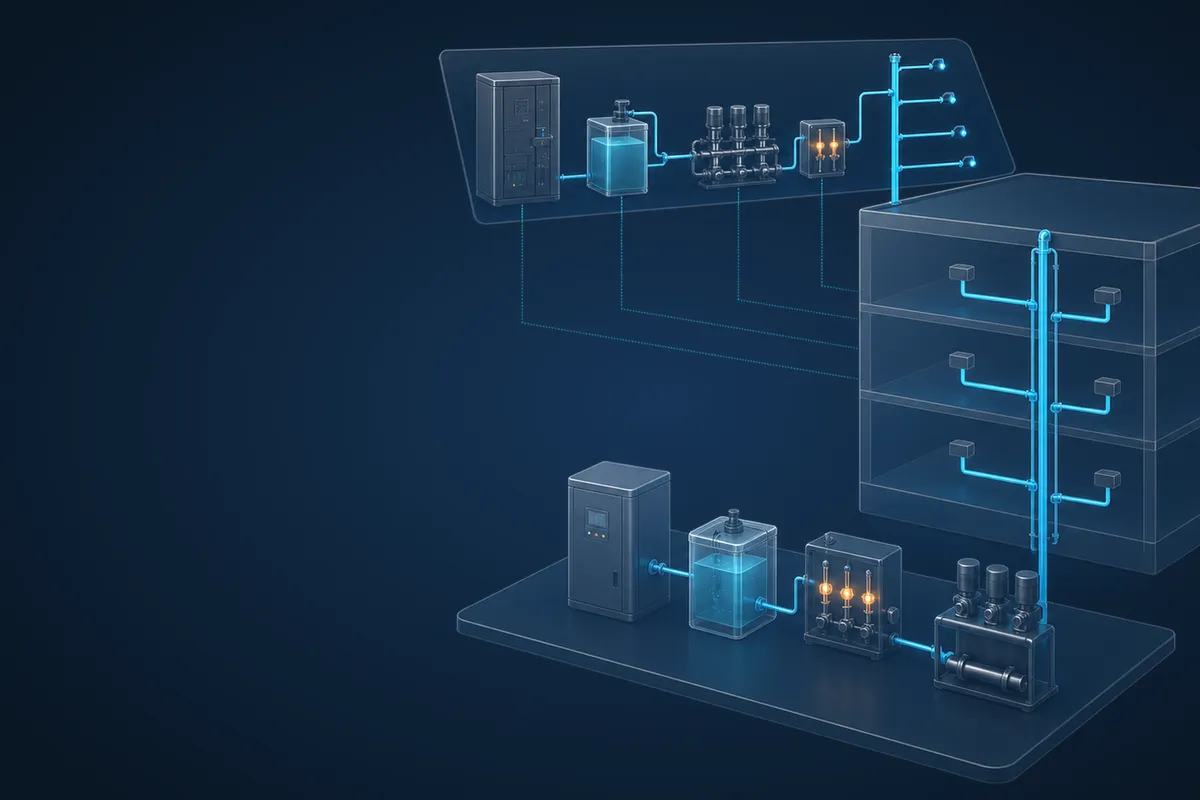 3D illustration created with AI
Drinking water hygiene in buildings
Legionella Management: What to Do When You Reach 100 CFU/100 ml
Learn the crucial steps required when Legionella counts reach 100 CFU/100 ml to ensure safety and compliance with regulations.
 3D illustration created with AI
Food and Beverage Hygiene and CIP
Drinking water, clean water, recycled water: three different roles
It is not the source of the water that matters, but its role in the process. The closer it is to the product, the stricter the requirements.
 3D illustration created with AI
Evaporative cooling systems and cooling towers
42. BImSchV System Type: Classify Before Legionella Duties
Many operators call every open evaporative unit on site a cooling tower.
3D illustration created with AI Food and beverage hygiene and CIP
Reducing Chemicals in CIP Without Compromising Hygiene Goals
How food plants can lower chemical use in CIP by tuning dose, contact time and verification together, so cleaning results stay proven and reproducible.
3D illustration created with AI Evaporative cooling systems and cooling towers
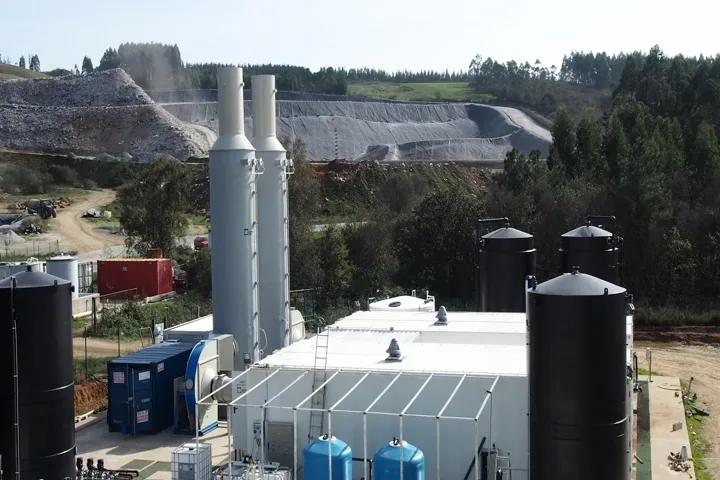
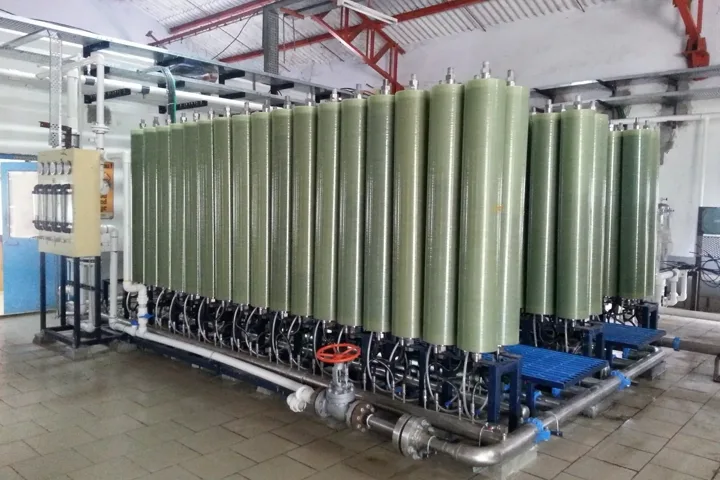
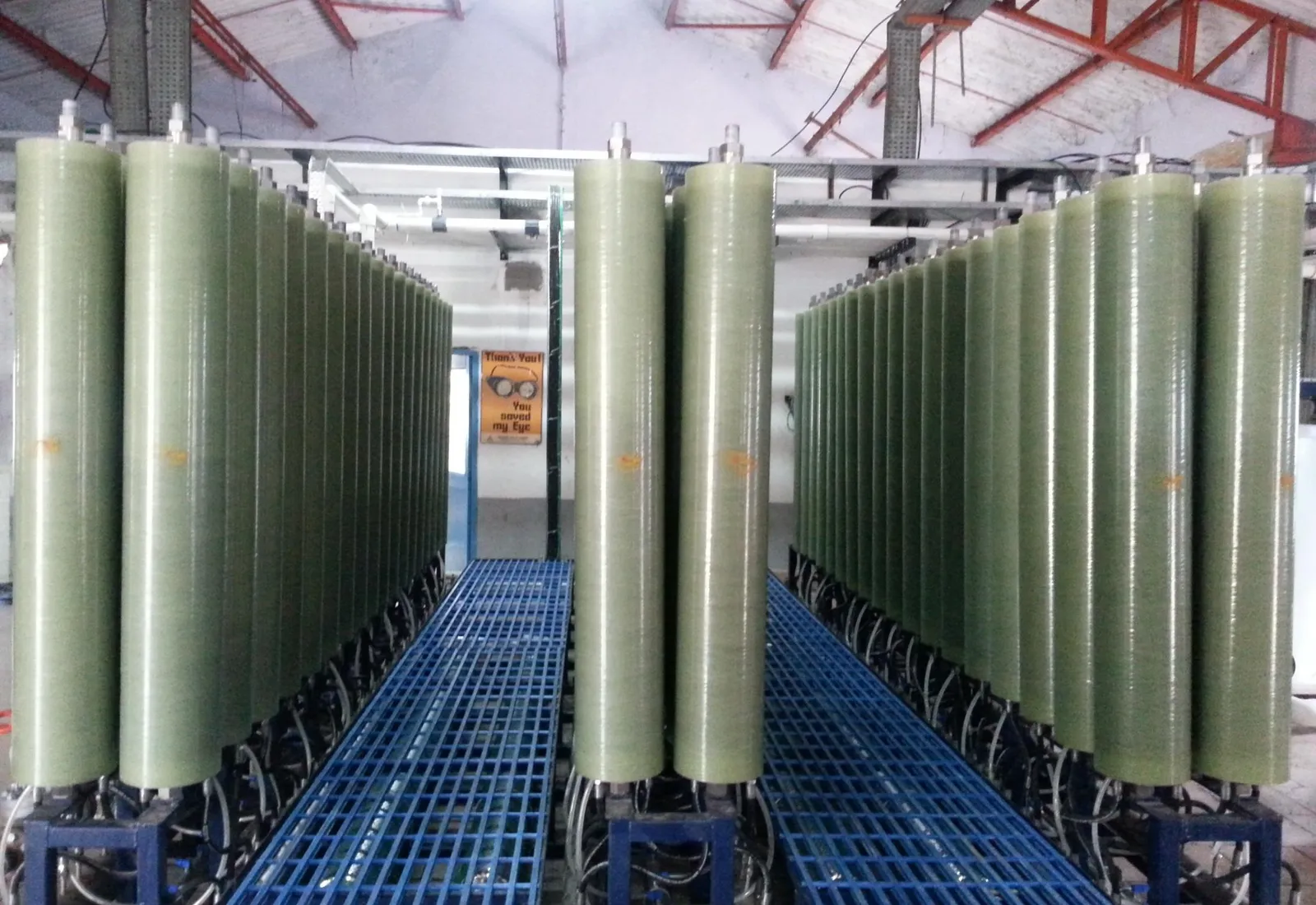
Using a 600 m³/day Landfill Leachate Reference Correctly
Planners who receive a reference for a 600 m³ per day landfill leachate plant usually ask one question first: is this installation comparable to my site?
Practical Guides
The questions that are actually asked.
Short answers to the questions raised in tenders and operational inspections. With primary source and check date.
- EU 2025/20EU 2025/20 and GH.OPS.320Scope, dates and handover points of the European ground-handling regulation.→
- TrinkwV § 51Legionella and TrinkwVWhat to do when the concentration is 100 CFU per 100 ml, who carries out the risk assessment, and how operators should go about taking the next steps in a structured manner.→
- 42. BImSchV42. BImSchV for cooling systemsDistinguishing between requirements for evaporative cooling systems and cooling towers: inspections, laboratory testing intervals, Betriebstagebuch and actions to be taken in the event of findings.→
- AbwV Annex 51AbwV Annex 51Which discharge requirements apply to landfill leachate and how analysis, pilot testing and the treatment concept are prepared.→
- FinancingOperator models and financingPurchase, hire, leasing and the operator model compared, without any commitment to funding.→
Would you prefer to have your own case analysed, rather than reading a general overview?
For the initial assessmentTechnical assessmentPrefer a conversation to a form? Specialists assess your situation and name the next review step.
Get in touch →