
 ▶
 ▶
- Guides
- Practical Guides
- Operator model financing
Practical Guide System planning
Operating models and financing for water treatment
A technically sound water project rarely fails because of technical issues; more often, it is the capital requirements that prove a stumbling block. Purchase, hire, leasing and the operator model distribute investment, operation and risk in different ways. This page outlines the options without making any commitment to funding.
What applies now
- Purchase, hire, leasing and the operator model distribute investment, operation and risk in different ways.
- An operator model shifts operational and performance risks; it does not eliminate them.
- It makes most sense to assess technology and financing together, starting with system planning.
- The availability and terms of a model depend on the project, creditworthiness, structure and the partners involved. There is no blanket commitment.
When a lack of capital blocks a technically viable project
Membrane and water treatment plants tie up capital that competes with other investments. If the technology is convincing but the budget is not available in the current cycle, the project is postponed, even though operating costs and risks continue to accrue. A suitable model can resolve this bottleneck.
Distinguishing between sale, hire, leasing and the operator model
| Model | Investment | Operation | Typical suitability |
|---|---|---|---|
| Purchase | at the operator’s premises | at the operator’s premises | Stable demand, an available budget and operational experience |
| Rent | from the provider | most shared | temporary or fluctuating demand, bridging |
| Leasing | financed | at the operator’s premises | Smooth out investment, manage the impact on the balance sheet |
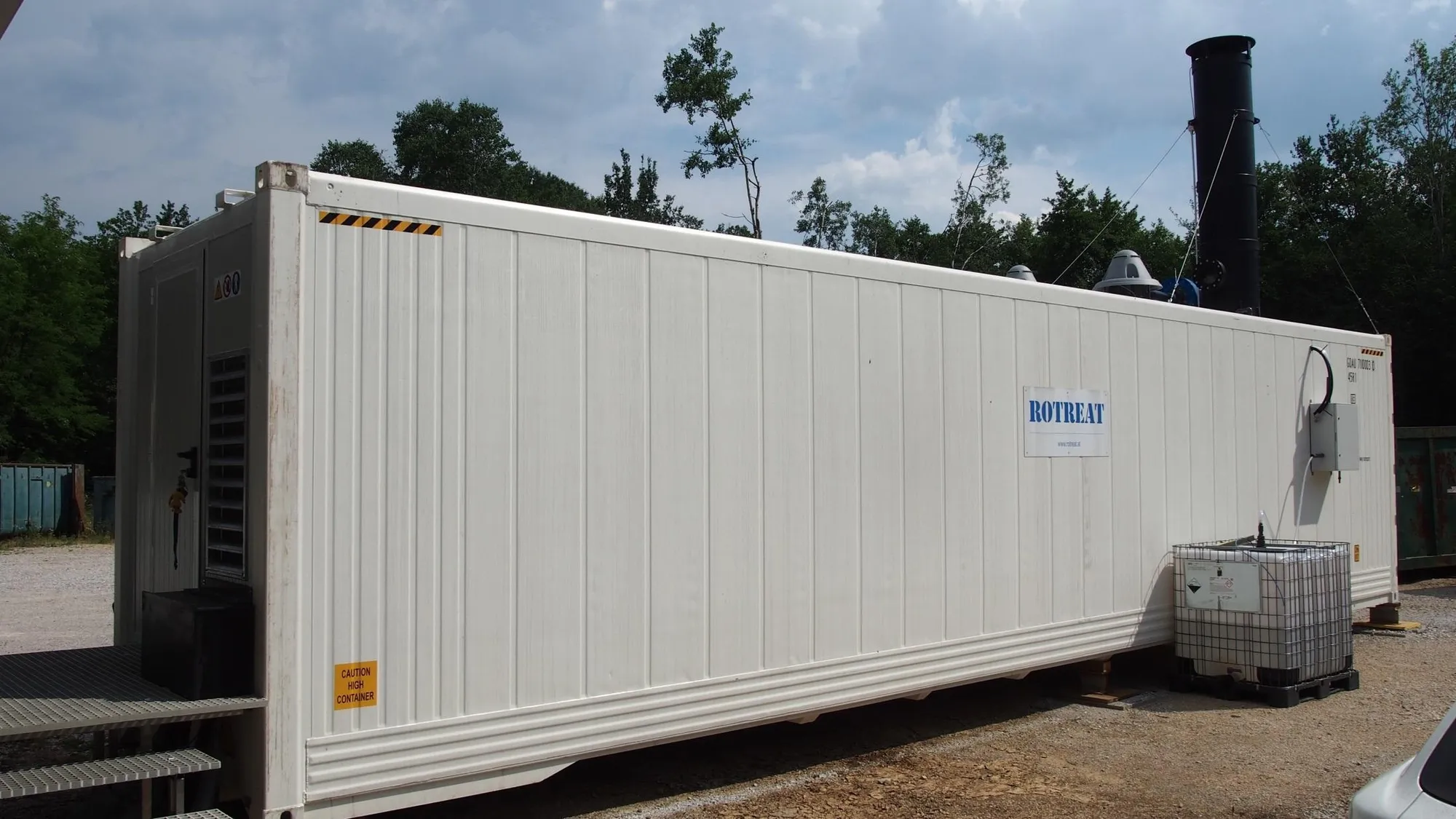
| Operating model / Water-as-a-Service | from the provider | from the provider | Earnings per m³ rather than asset ownership; few in-house operational staff |
Which operational and performance risks need to be addressed
Before any model is selected, there are technical questions to consider: How stable is the feed? What discharge parameters must be reliably maintained? Who bears the performance risk in the event of fluctuating water quality, who is responsible for maintenance, and who manages the concentrate or residue stream? An operator model shifts these risks; it does not eliminate them.
What information is required for a credit check?
A robust assessment requires the water balance, inflow analysis, required outflow values, operating times and the planned investment budget. The availability and terms of a model depend on the project, creditworthiness, structure and the partners involved.
Assess technical and economic feasibility
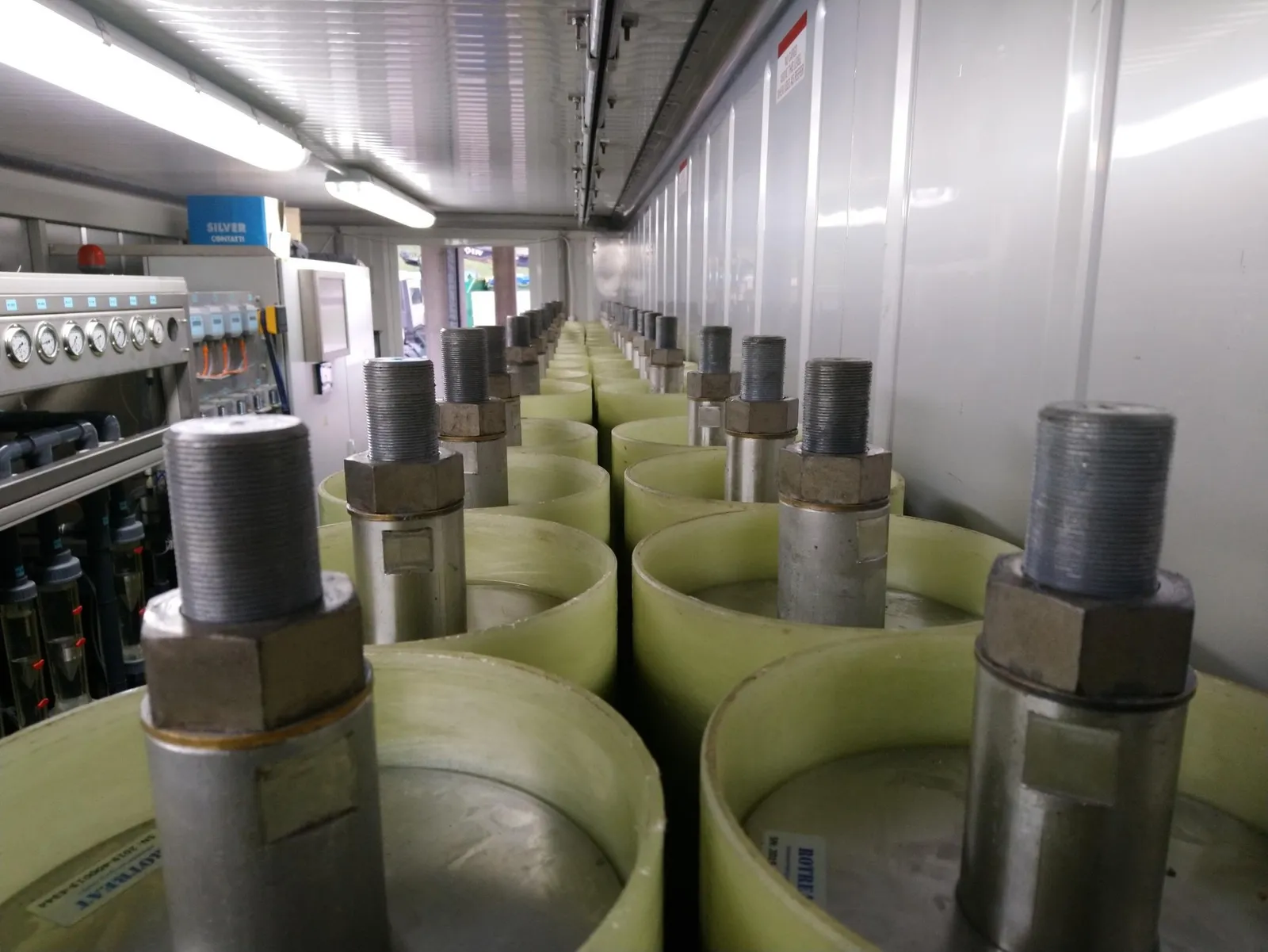
It makes most sense to assess the technology and financing together: only system planning reveals the total costs over the project’s lifetime, and only then can the appropriate commercial model be selected.
Commercial framework
- Example range for project sizes: roughly €100,000 to €5 million. It is for orientation only and is not a proven figure. Possible models: purchase, rental, leasing or Water-as-a-Service. Not a blanket commitment.
Vendor-neutral water treatment, planned as one system: technology, operation and financing assessed together.
SourceThe range of project sizes comes from the Liquid Engineering brief and is published as guidance, expressly without commitment.