1. Home
  2. References
  3. Rental and emergency leachate systems

Reference · Rotreat · Rental and emergency systems

Leachate treatment on short notice

When a plant is missing, overloaded or being upgraded, containerised RCDT systems can treat leachate at short notice. Two Rotreat systems: a 130 m³/day rental system and a 150 m³/day emergency system.

2 daysinstallation time of the 150 m³/day emergency system

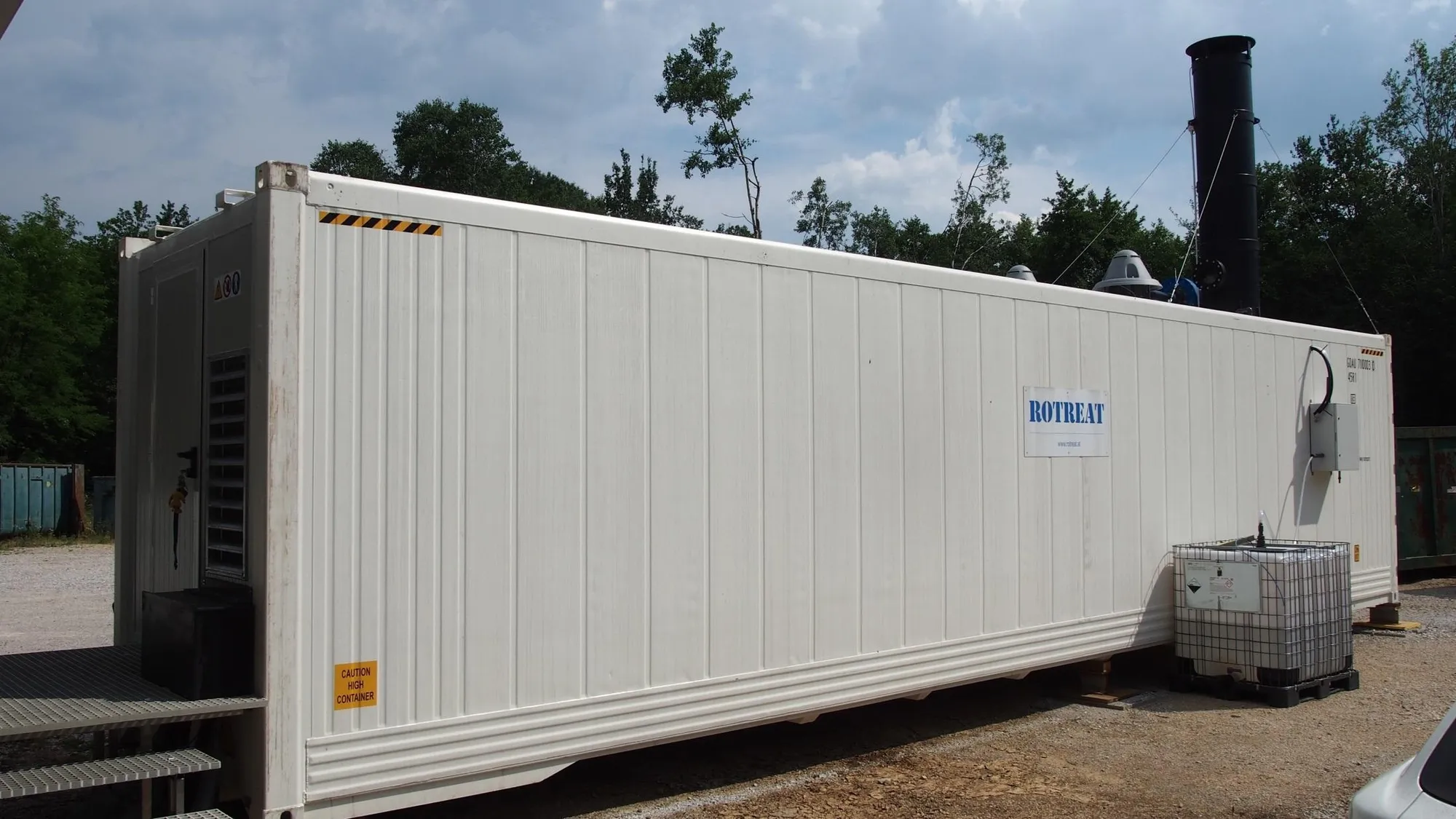
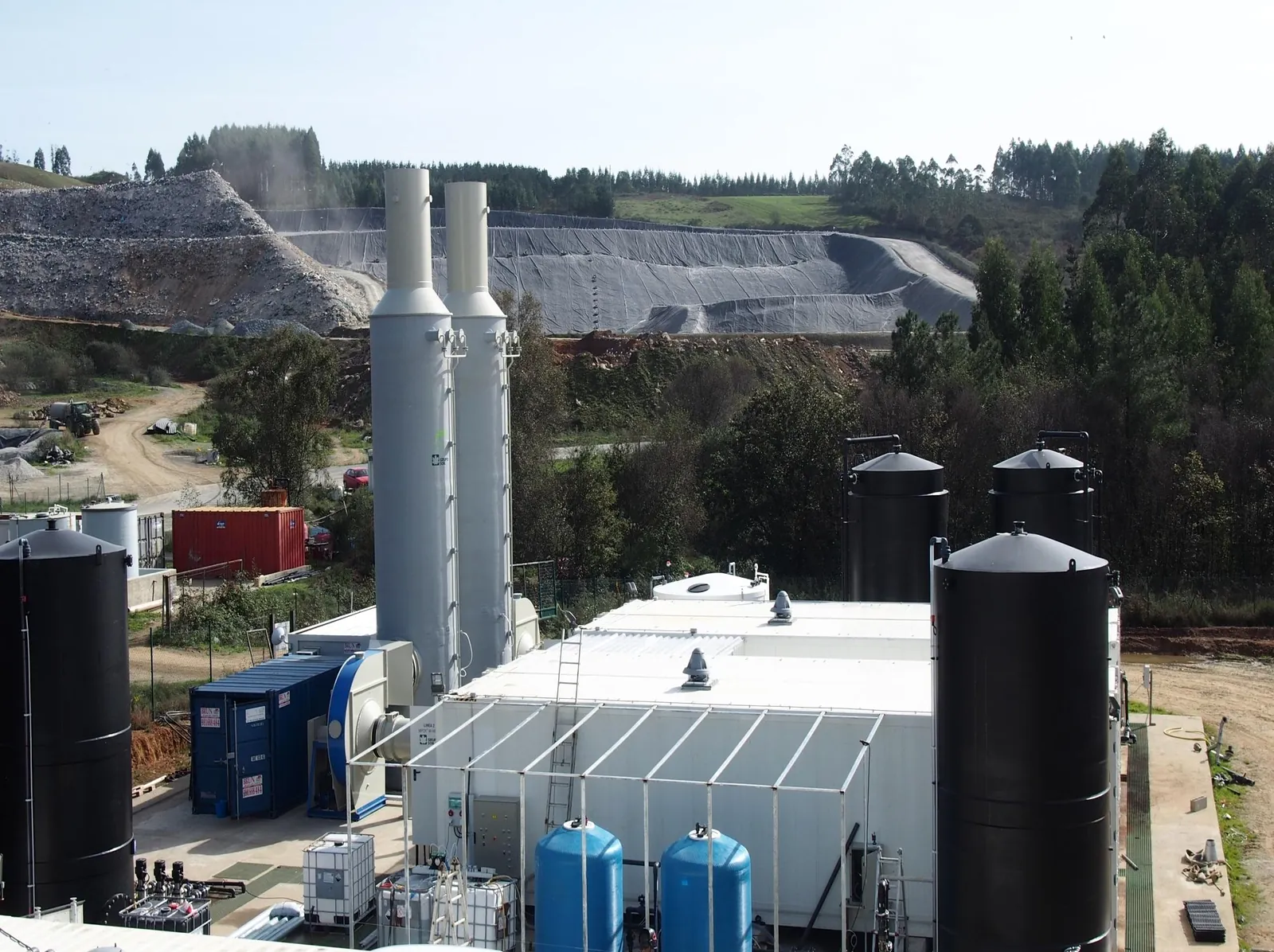
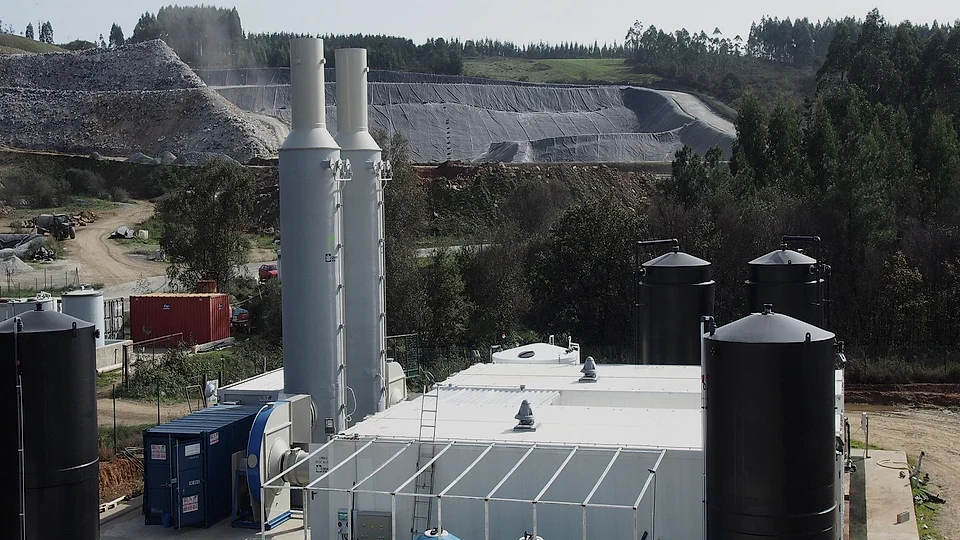
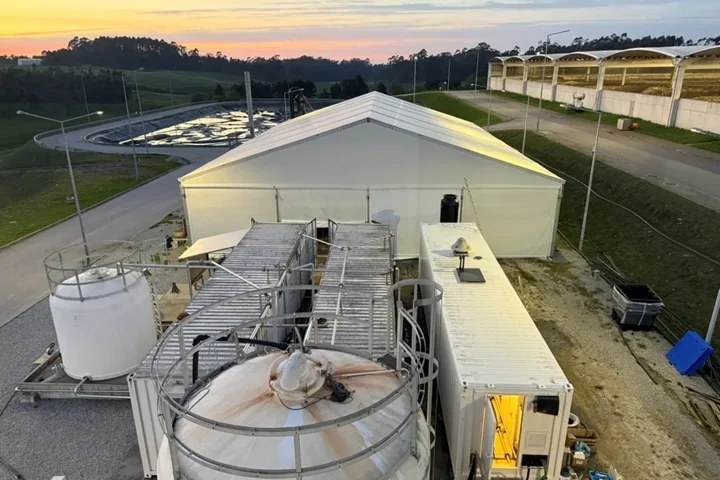
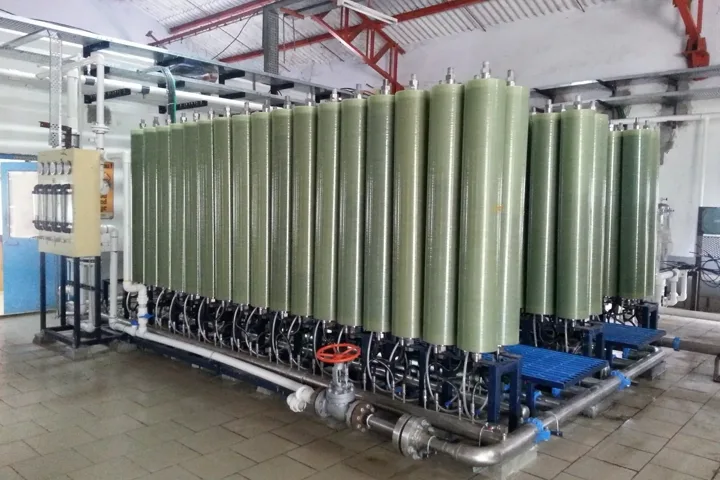
Rental system, 130 m³/day. Actual installation.

150 m³/dayRCDT 2.0 emergency leachate system
130 m³/dayRCDT rental system for leachate
2 daysinstallation time of the emergency system
264,000 m³leachate treated by the rental modules up to the first membrane exchange

The two systems below are separate rental and emergency applications.

Rental system, 130 m³/day

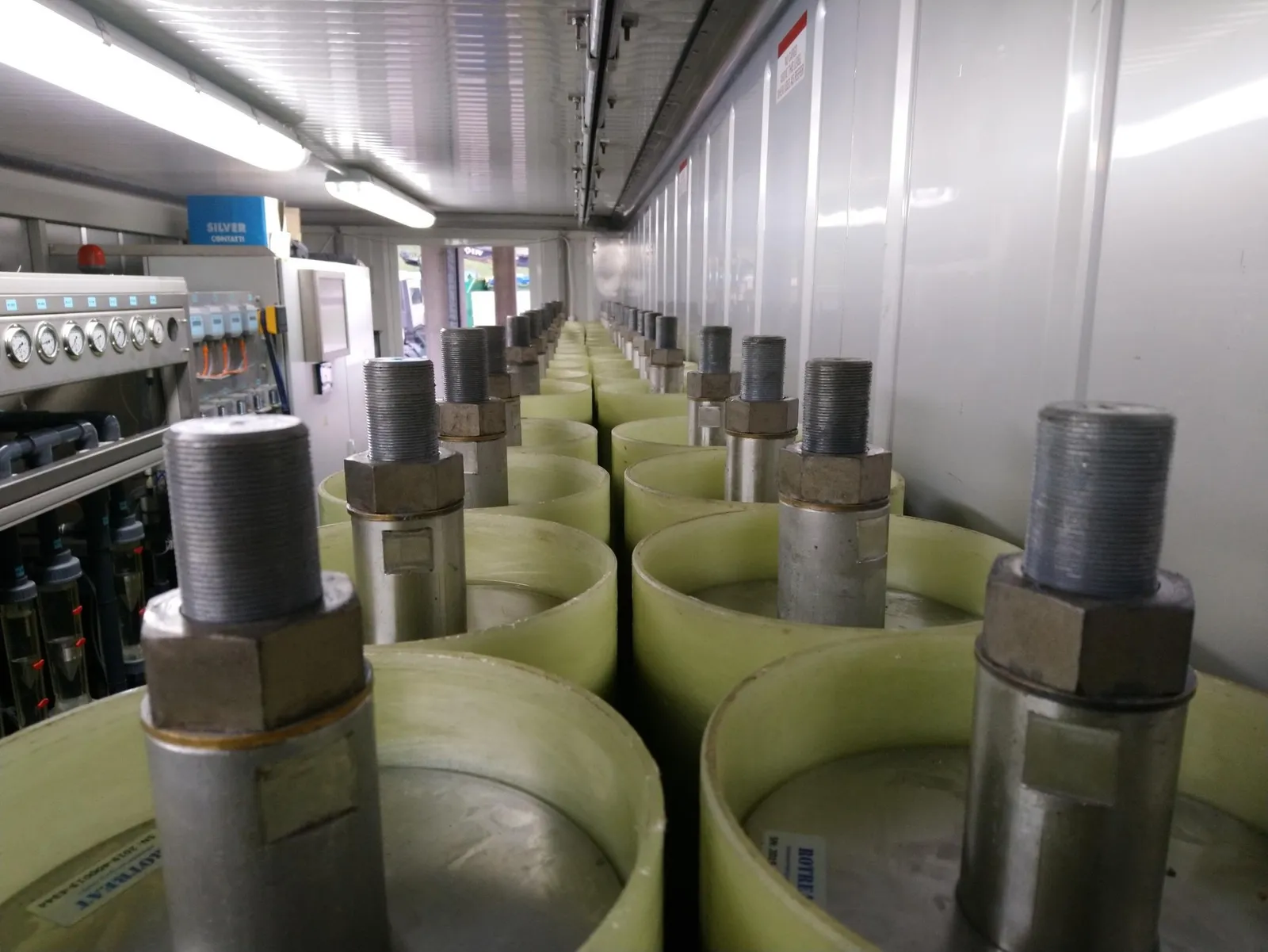
An RCDT rental system for leachate with a capacity of 130 m³/day. The RCDT modules had treated 264,000 m³ of leachate when the first membrane exchange was carried out.

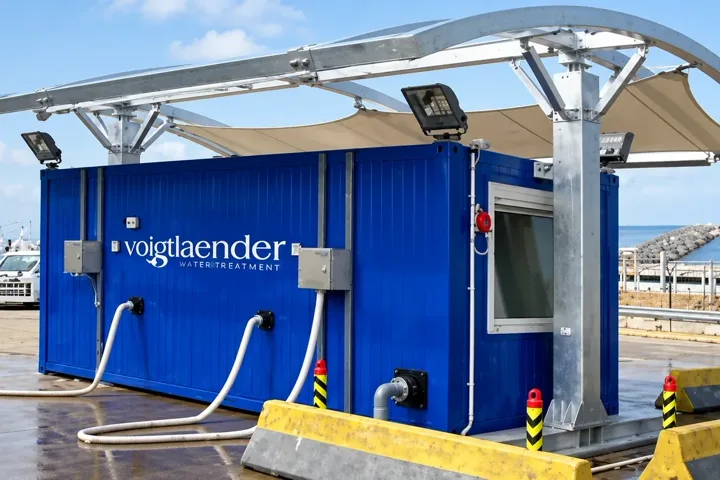
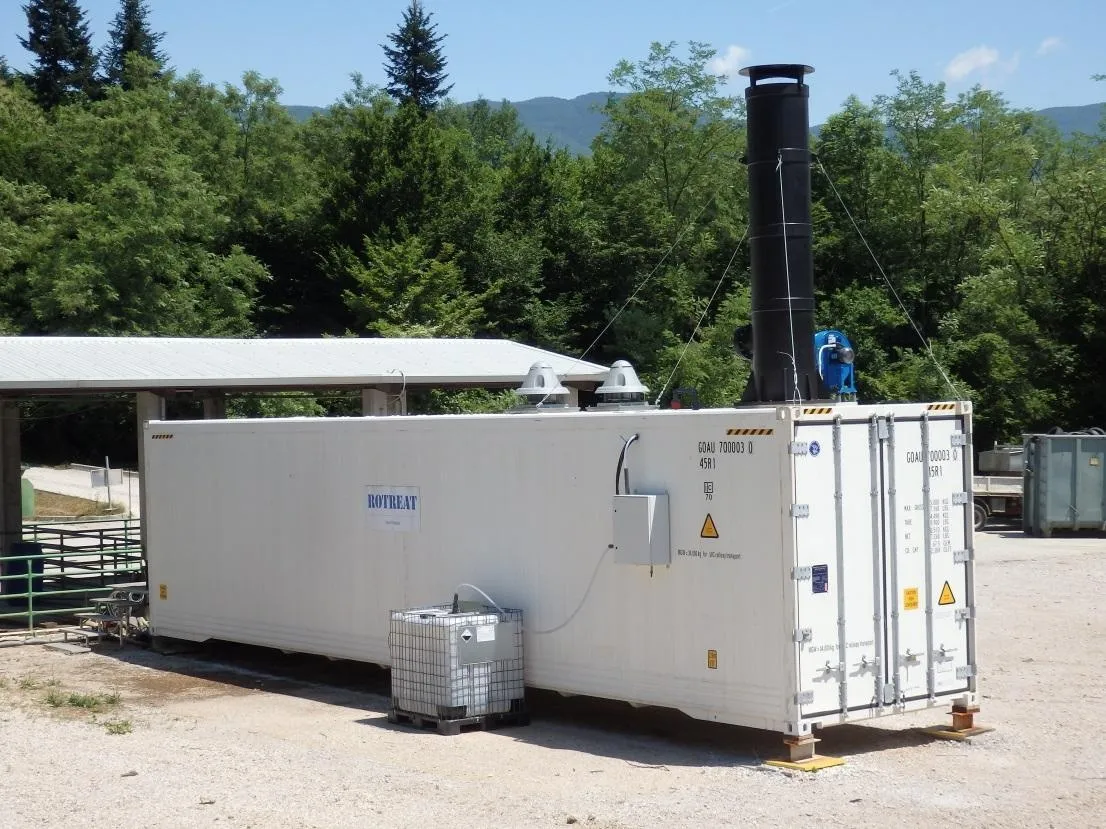
The RCDT system is built into a container of standard ISO size; no technical changes are needed for container installation.
Emergency system, 150 m³/day

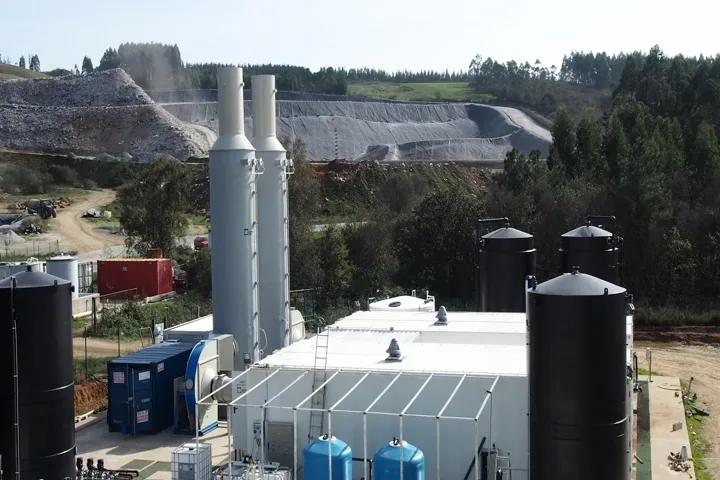
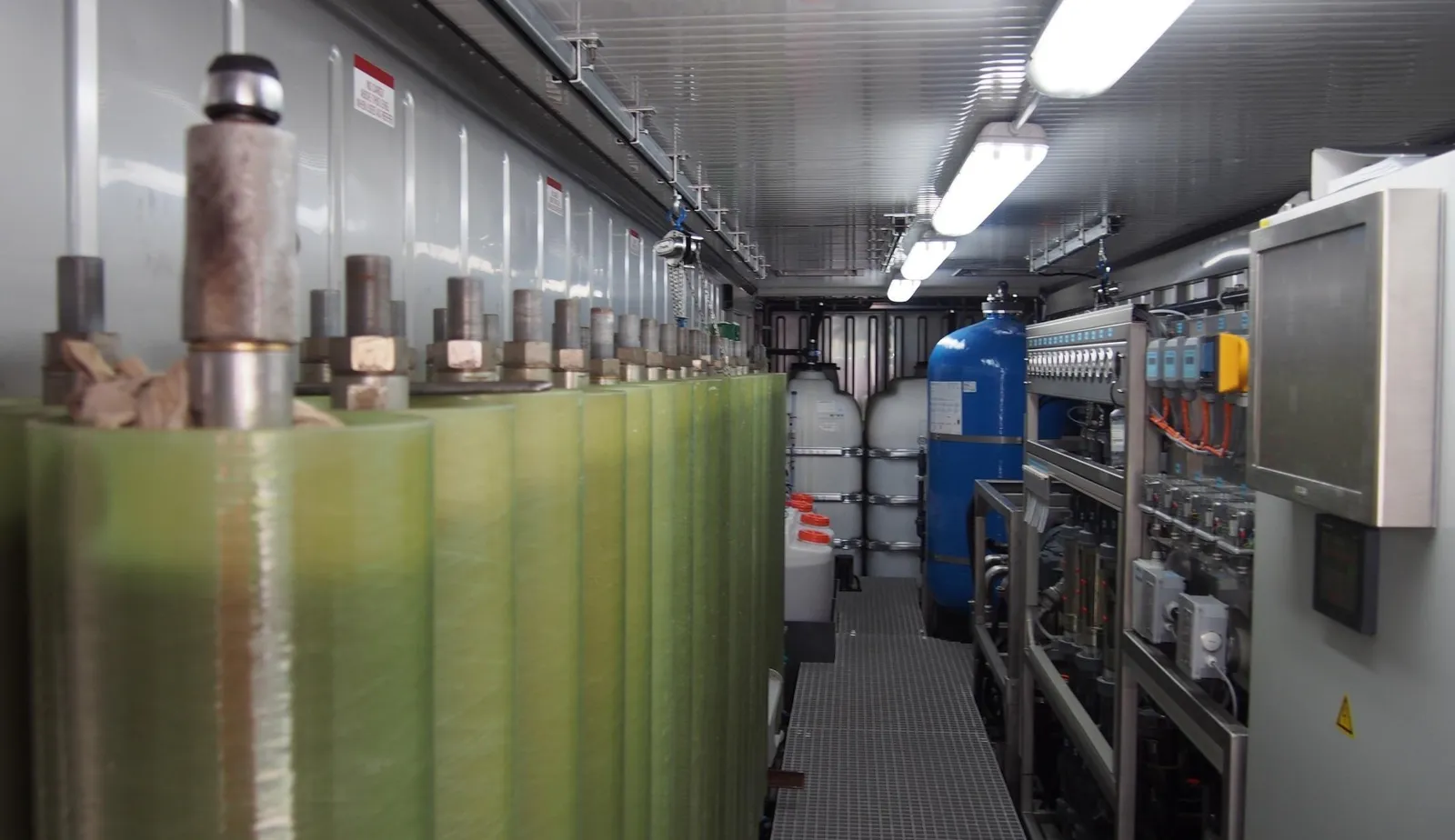
The RCDT 2.0 emergency leachate system has a capacity of 150 m³/day. The installation time is 2 days.

Containerised systems of this kind are deployed on short notice. Modules can be exchanged in the field without special tools (Easy-Click).

All values relate to these systems.

How the systems work

From container to permeate

  1. 1

    Container system

    The RCDT system is integrated in a container of standard ISO size.

  2. 2

    Installation on site

    Emergency system: installation time 2 days.

  3. 3

    RCDT reverse osmosis

    Open radial disc-tube channel for colloidal, high-COD feed.

  4. 4

    Module exchange

    Easy-Click modules are swapped in the field without special tools.

  5. +

    Rental

    130 m³/day system; 264,000 m³ treated up to the first membrane exchange.

The systems

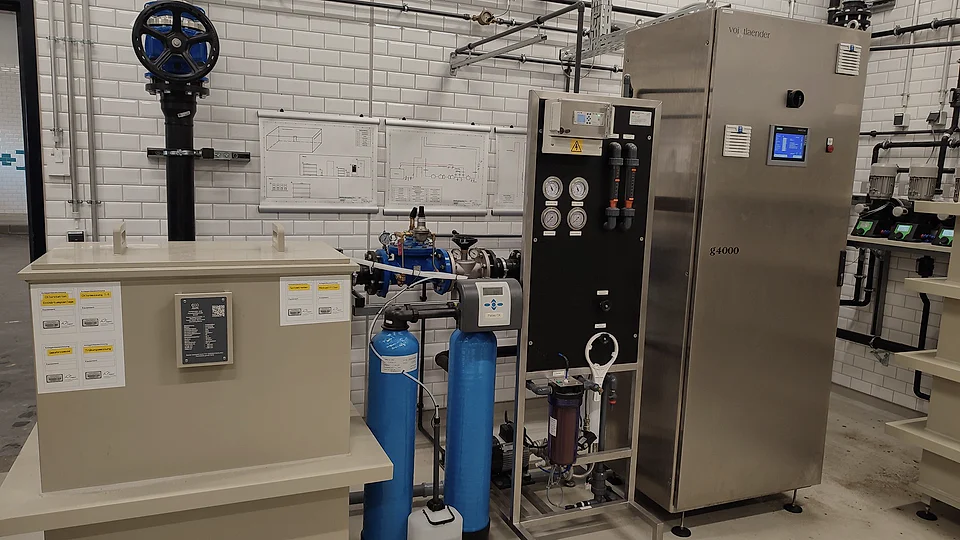
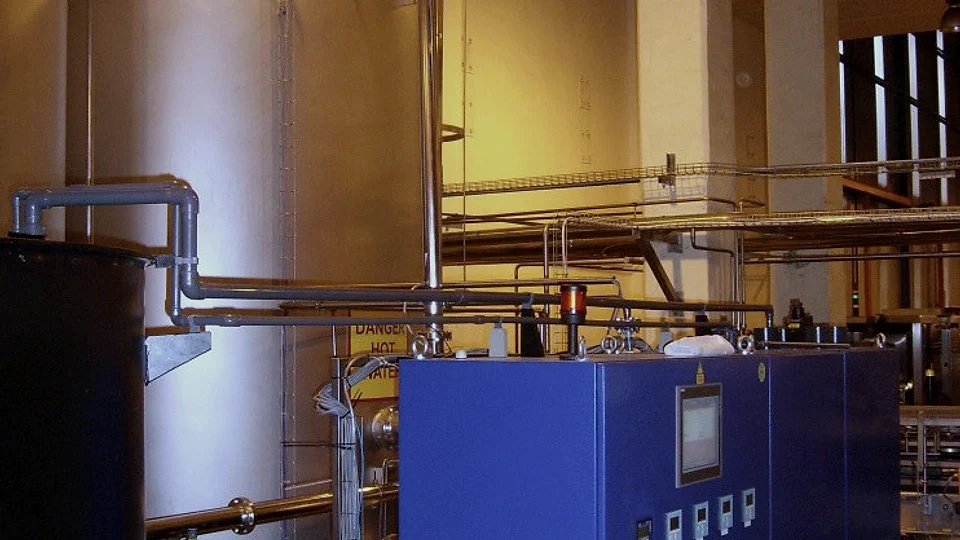
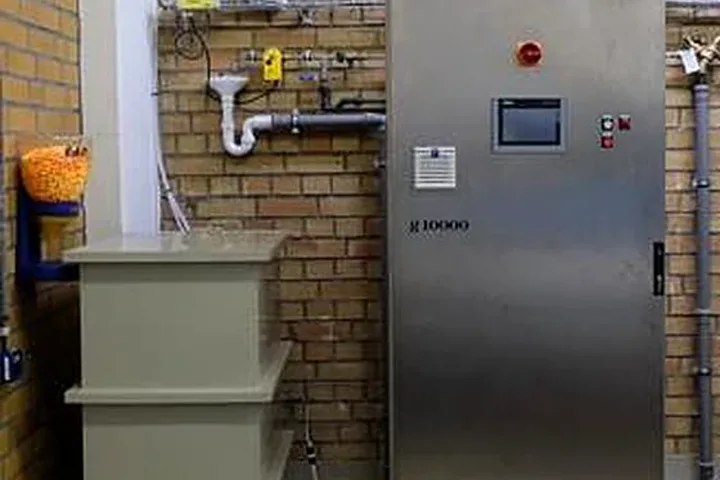
Modules, interior and container

Rotreat rental and emergency treatment equipment.

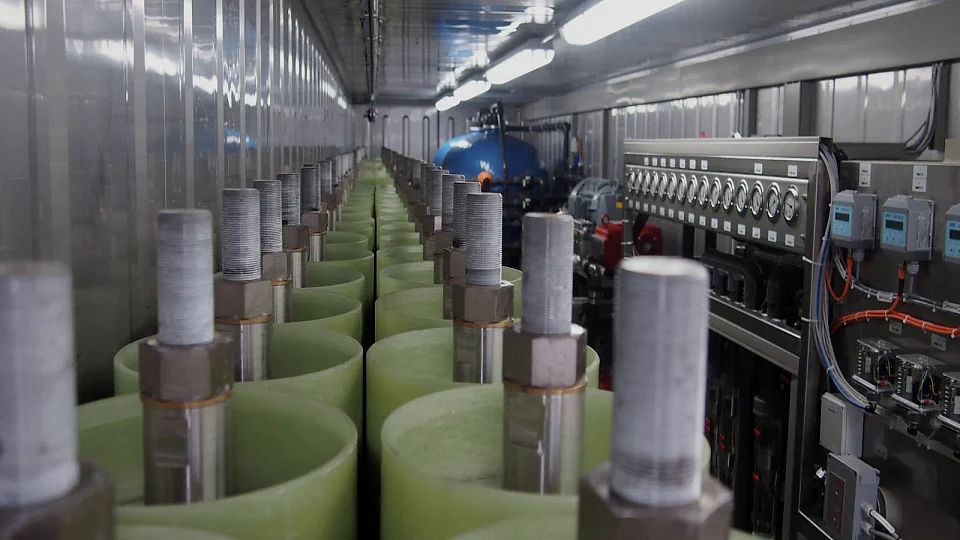
RCDT modules of the rental system

RCDT modules of the rental system. Actual installation.

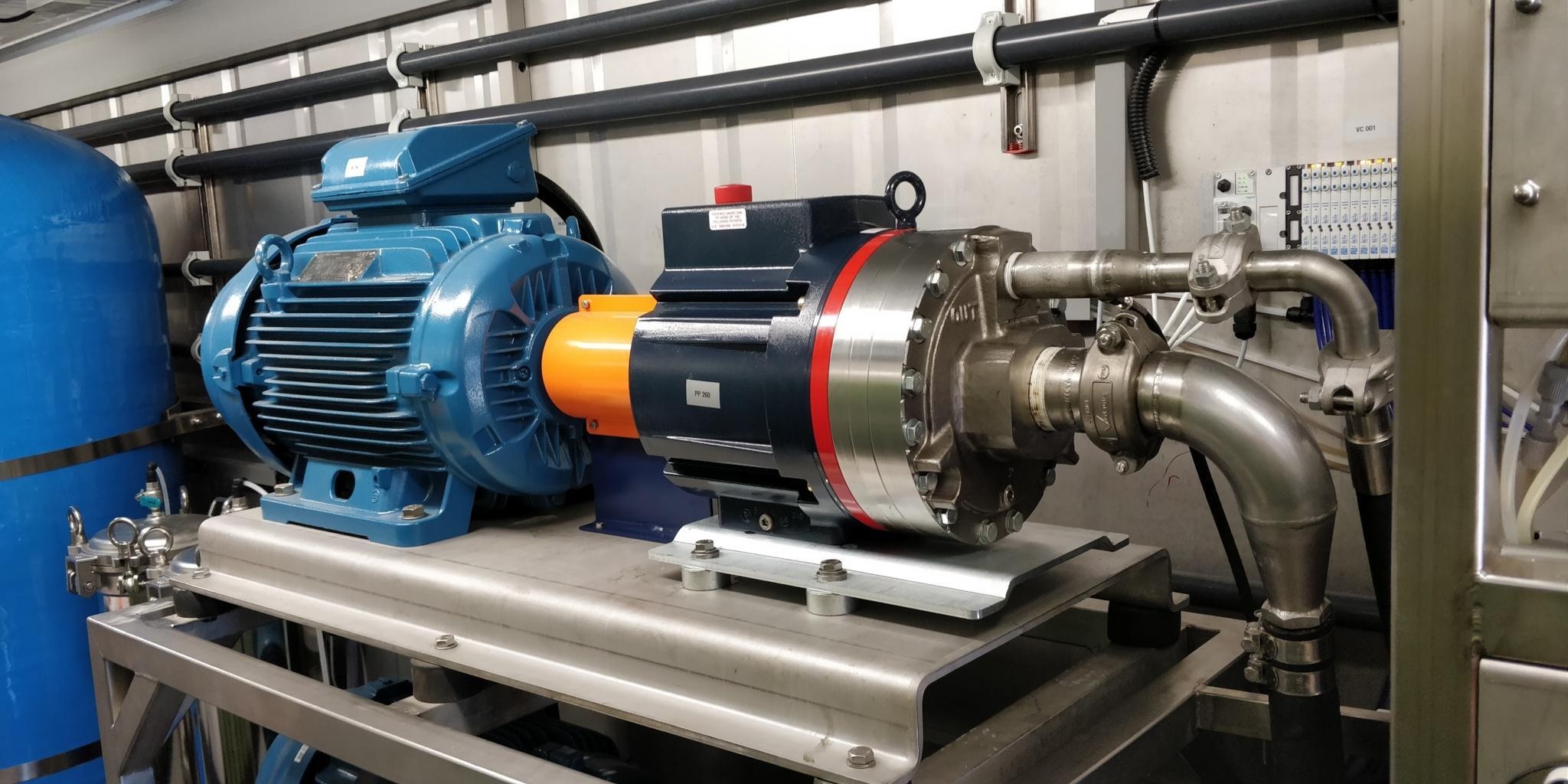
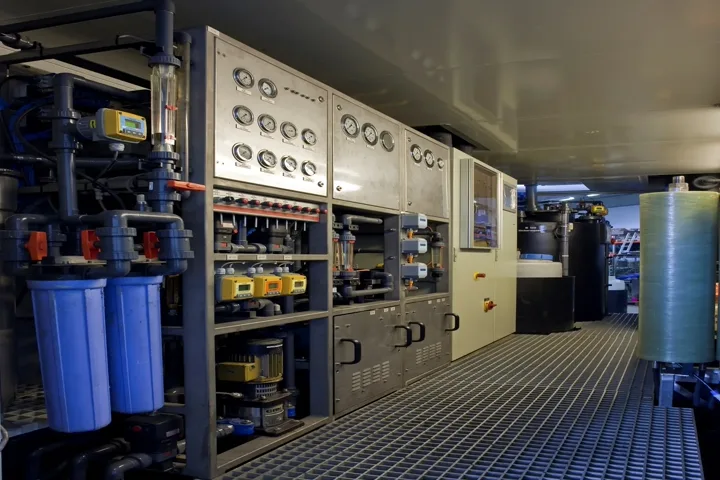
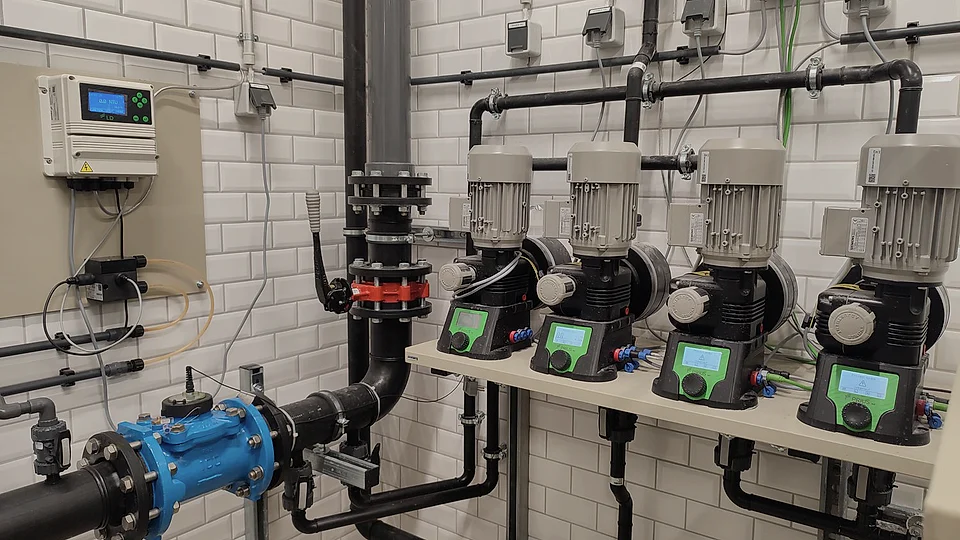
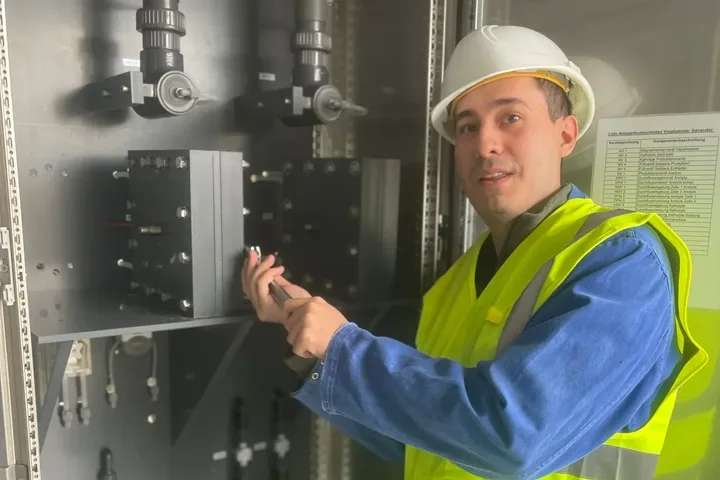
Interior of the emergency system

Interior of the emergency system. Actual installation.

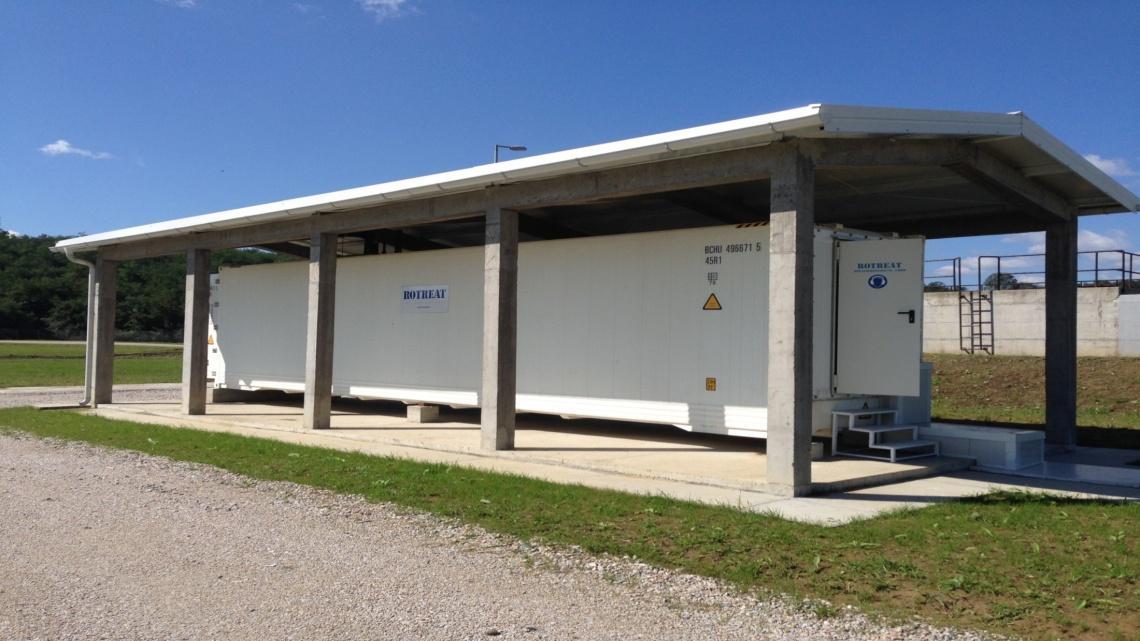
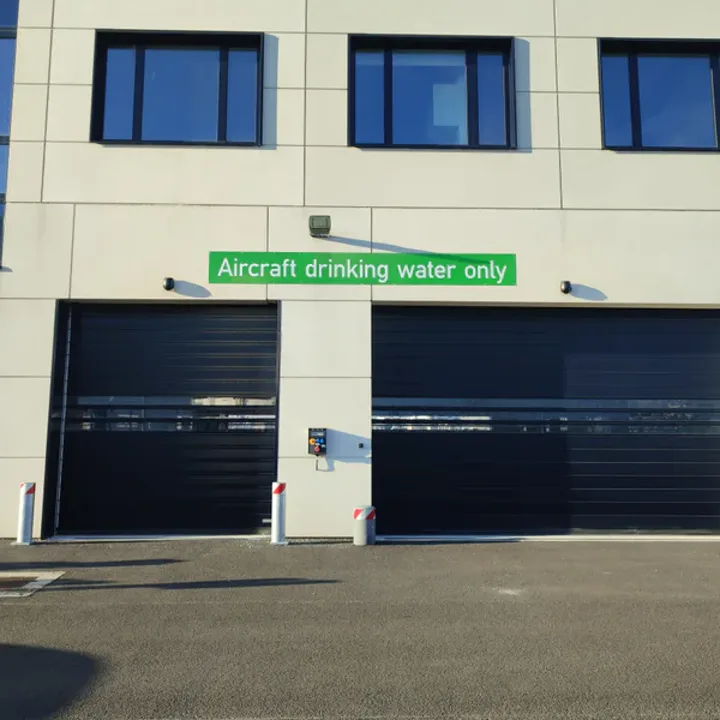
White container of the emergency leachate system

Container of the emergency system. Actual installation.

How to read the figures

What the figures show and what not

The capacities and service history on this page belong to the two systems.

What the figures show

  • Capacity, installation time and treated volume belong to these two systems.
  • The approach: a containerised RCDT plant that is installed quickly and whose modules can be exchanged in the field.

What they do not show

  • A guarantee for another site. Availability, transport, site preparation, utilities and the treatment requirement decide how quickly a system can run.
  • Discharge or reuse values. They follow from the feed analysis and the permit, not from this page.

From reference to your project

How this works for your site.

These two systems show different deployment contexts. Compare the treatment approach and your site requirements before using either result as a planning basis.

Your site

Tell us what you need to treat

For temporary treatment, peak loads or emergencies, the first step is the leachate analysis and the discharge requirement.

No obligationPersonal response after review

+49 89 90 17 39 75

Speak to our team directly

Prefer a conversation to a form? We assess your situation professionally and name the next review step.

Get in touch ›

Send in a water analysis

Already have analysis values? Send them to us, and we will review them and come back with a first assessment.

Send an analysis ›