

 ▶
 ▶
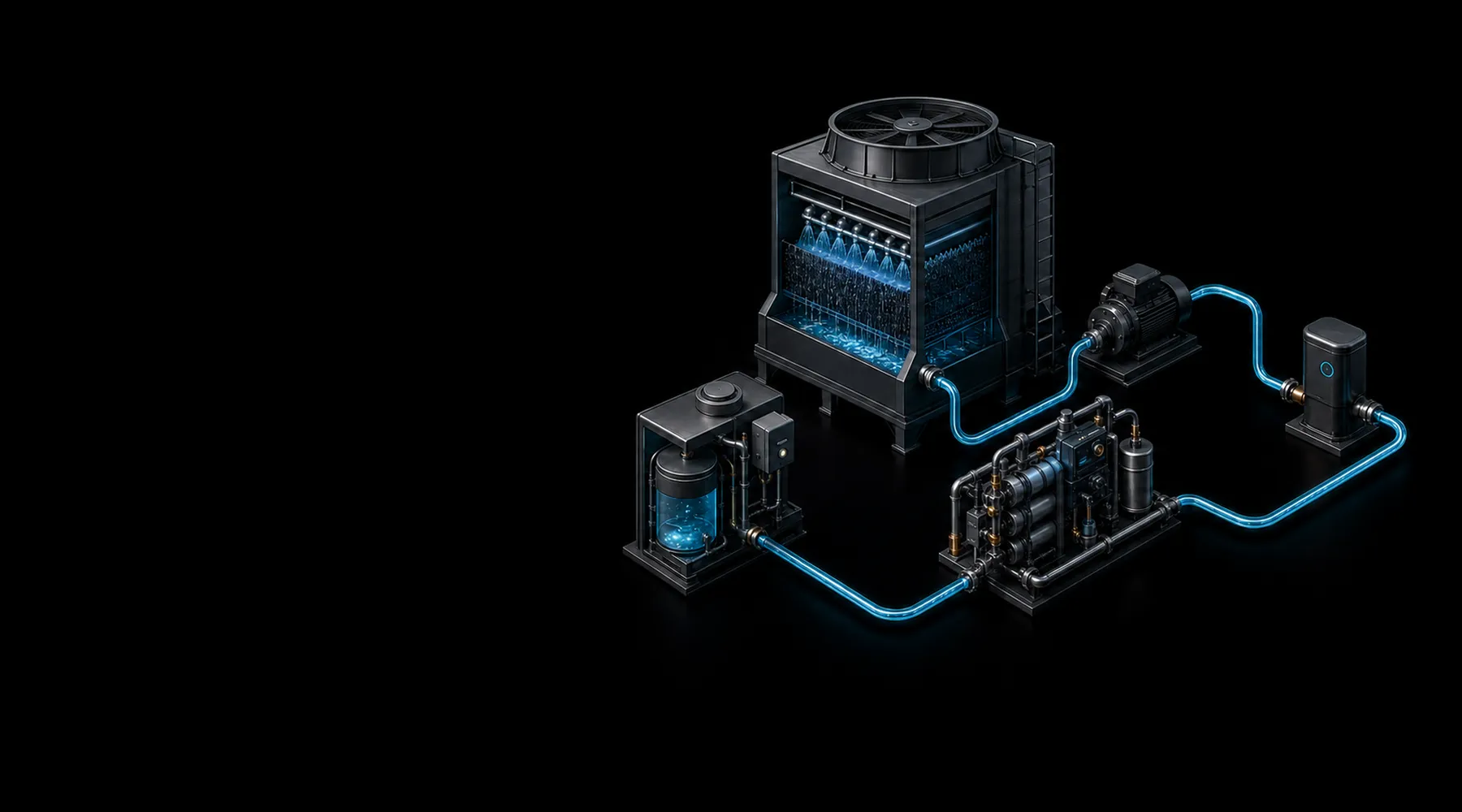 3D illustration created with AI
- Guides
- Practical Guides
- 42. BImSchV
Practical Guide Cooling systems
Operators’ obligations for evaporative cooling systems under the 42. BImSchV
The obligations that apply depend first and foremost on the legal classification of the system. The 42. BImSchV (the German ordinance on evaporative cooling systems, cooling towers and wet separators) distinguishes between evaporative cooling systems, wet separators and the legally defined category of cooling towers, each with different tests, inspection intervals and specified values.
What applies now
- Displaying the attachment via the KaVKA Portal.
- State-of-the-art operations, in-house inspections, laboratory tests for Legionella, Betriebstagebuch and a graduated approach to dealing with findings.
- Monthly laboratory tests are not a typical case across the board; they result, for example, from a confirmed instance of a test value being exceeded.
- “Reference value 100” refers to the total colony count, not Legionella.
What type of investment is legally recognised
Before any deadline applies, the plant must be classified: as an evaporative cooling system, a wet scrubber or a cooling tower within the meaning of the Regulation. The classification is determined by the design, operation and scope of application, not by the colloquial name. It determines the relevant test and laboratory values.
Which facilities are affected
Evaporative cooling systems, cooling towers and wet scrubbers falling within the scope of the Regulation are covered. For a specific installation, the relevant factors are its mode of operation, aerosol emissions and technical design. The following values apply for each type of installation (Legionella levels by system type, CFU/100 ml):
| Type of facility | Test value 1 | Test value 2 | Measurement value |
|---|---|---|---|
| Evaporative cooling system / wet separator | 100 | 1,000 | 10,000 |
| Cooling tower (legally defined category) | 500 | 5,000 | 50,000 |
Internal audits
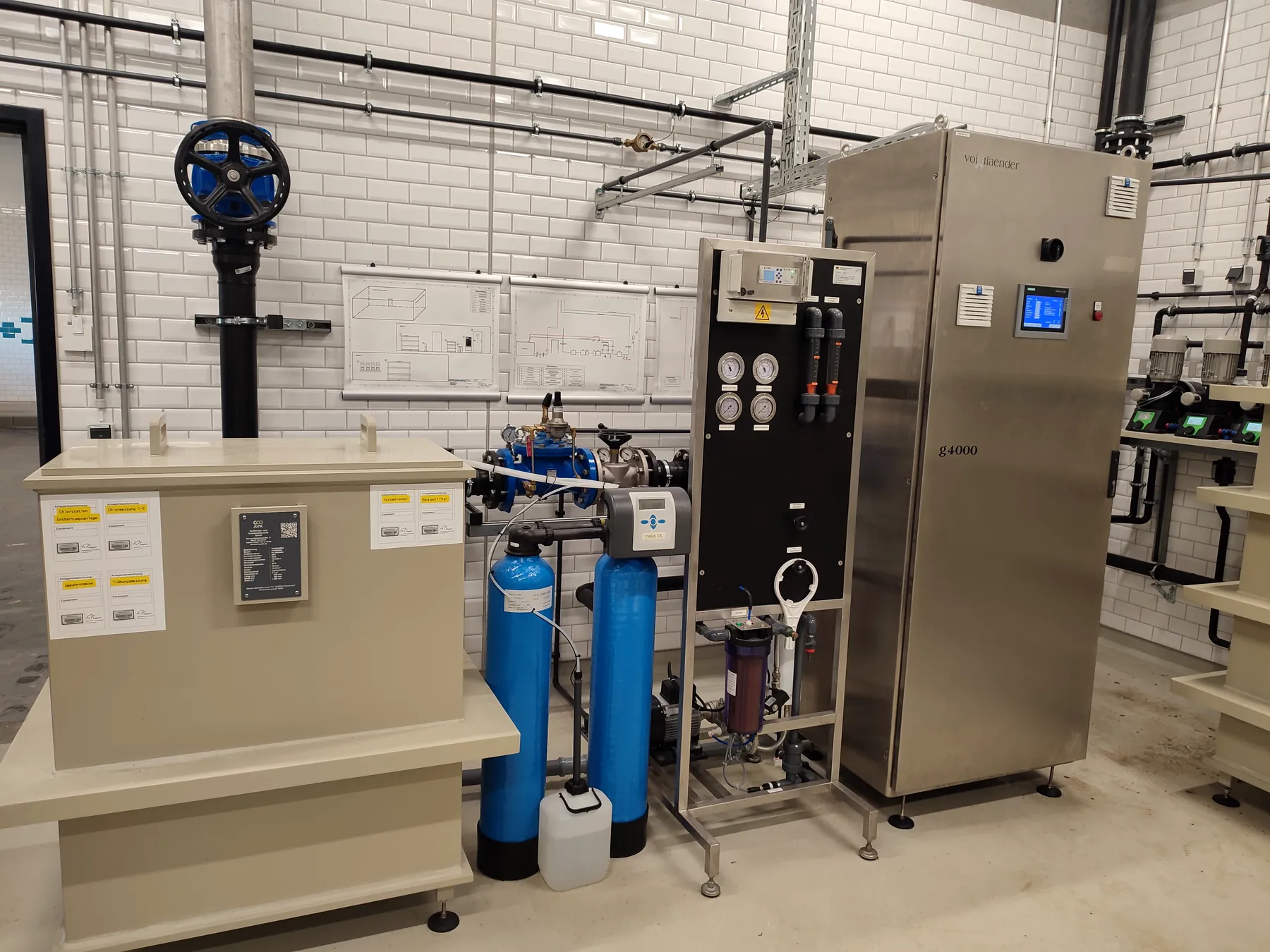
The regulation requires regular internal checks to ensure the system is operating correctly, often at short intervals. These checks cover the condition of the system, water quality and the functioning of the treatment process, and are recorded in the Betriebstagebuch.
Laboratory tests for Legionella
Legionella testing is carried out periodically (regular routine testing). More frequent testing (up to monthly) is a consequence of confirmed instances where test values have been exceeded and the measures taken as a result; it is not the norm for every system.
Betriebstagebuch and documentation
Betriebstagebuch documents inspections, laboratory results, maintenance, any unusual incidents and the measures taken. It forms the basis for demonstrating to the regulatory authority that the facility is being operated in accordance with regulations.
Action to be taken if test values are exceeded
Test value 1 has been reached. Investigate the cause, increase the frequency of inspections, and monitor operations and treatment processes.
Test value 2 has been reached. Immediate measures to reduce the levels, tighten controls and carry out follow-up sampling.
Target value achieved. Immediate measures, risk assessment, notification of the relevant authority where necessary, and assessment of whether operations can continue.
What the regulation does not mean
Limits
- It does not prescribe any specific treatment technique.
- A dosing or treatment technique supports operational management, but does not replace the operator’s obligations, laboratory testing or the Betriebstagebuch.
Measurement-based, documented cooling water hygiene as part of the 42nd–BImSchV’s operational management.
Primary sourceOrdinance on Evaporative Cooling Systems, Cooling Towers and Wet Scrubbers (42. BImSchV), Federal Ministry of Justice. The current version is the authoritative one; the specific classification of your system determines the relevant values and intervals. 42. BImSchV (gesetze-im-internet.de)