
 ▶
 ▶
Article Landfill leachate, pilot study and plant
When Does Annex 51 of the AbwV Apply?
Operators of landfills and of plants that treat landfill leachate are regularly asked to compare their discharge results with the values in Annex 51 of the German Waste Water Ordinance (Abwasserverordnung, AbwV). The table of values is the part most people remember. Yet the annex opens with a different question, and the answer decides whether any of its values are relevant to a given stream at all.

The annex applies to wastewater whose pollutant load comes essentially from the above ground deposit of waste (oberirdische Ablagerung von Abfällen).
Getting the order wrong has practical consequences. A permit application or a treatment design can end up resting on requirements that do not fit the wastewater in question, or a stream that does fall under the annex can be checked at the wrong reference point. This article follows the annex in the order its own text sets out: scope first, then the general duty, then the requirement values, and finally what that means for treatment and for sites outside Germany.
Section A sets the scope before any figure
Section A of Annex 51 consists of a single sentence. The annex applies to wastewater whose pollutant load comes essentially from the above ground deposit of waste (oberirdische Ablagerung von Abfällen). The deciding criterion is therefore the origin of the pollutant load, not the name the stream is given on site and not the level of the measured values.
This matters wherever several streams meet. Leachate may be collected together with water from other parts of a site, and the share of the load that actually originates from the deposited waste then has to be clarified before the annex is used as the basis for assessment. Annex 51 itself does not say how that origin must be demonstrated, so the operator needs a documented and plausible account of the streams, the sampling points and the load each one carries.
Section B adds a general duty to minimise
If the annex applies, Section B sets a general requirement that is easy to overlook because it contains no number. The volume and the pollutant load of the leachate are to be kept as low as the state of the art allows, through suitable measures in the construction and operation of landfills. This is a duty and not a recommendation.
In practice, Section B moves part of the task upstream of any treatment plant. Measures in the construction and operation of the landfill influence how much leachate arises and how heavily it is loaded. Those quantities in turn shape what any downstream treatment has to achieve.
Section C and Section D refer to different points
Section C sets requirements for the wastewater at the point of discharge into a water body, based on a qualified spot sample or a 2 hour composite sample. They include 200 mg/l chemical oxygen demand (COD), 20 mg/l biochemical oxygen demand (BOD5), 70 mg/l total nitrogen, 3 mg/l total phosphorus, 10 mg/l total hydrocarbons, 2 mg/l nitrite nitrogen and a fish egg toxicity value of 2. Where the COD before treatment is expected to exceed 4,000 mg/l, the COD requirement is replaced by an effluent value corresponding to a reduction of at least 95 percent.
Further special rules apply. The total nitrogen requirement applies at a wastewater temperature of 12 °C and above in the outflow of the biological reactor, and the water law permit may allow up to 100 mg/l if the nitrogen load is reduced by at least 75 percent. The requirement for total hydrocarbons does not apply to wastewater from the deposit of municipal waste.
Section D is separate. It sets requirements for the wastewater before it is mixed with other wastewater, including 0.5 mg/l AOX, 0.05 mg/l mercury, 0.1 mg/l cadmium, 0.5 mg/l total chromium, 1 mg/l nickel, 0.5 mg/l lead, 0.5 mg/l copper, 2 mg/l zinc and 0.1 mg/l arsenic, as well as values for easily releasable cyanide and sulfide. Because Sections C and D refer to different points in the water path, the sampling point has to match the requirement being checked.
Treating leachate once the annex applies
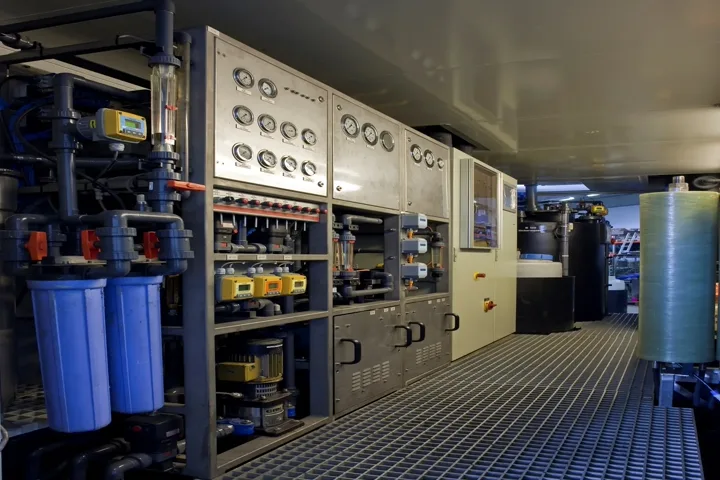
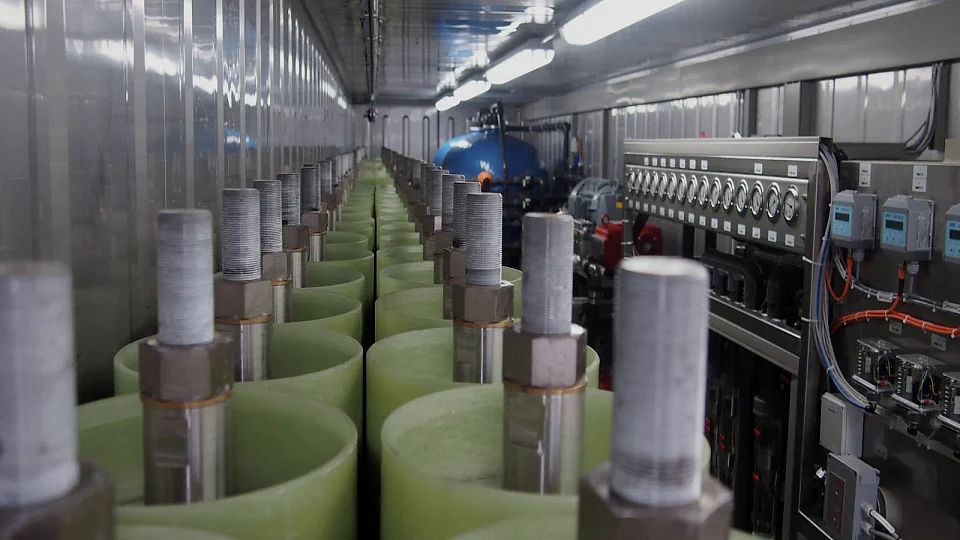
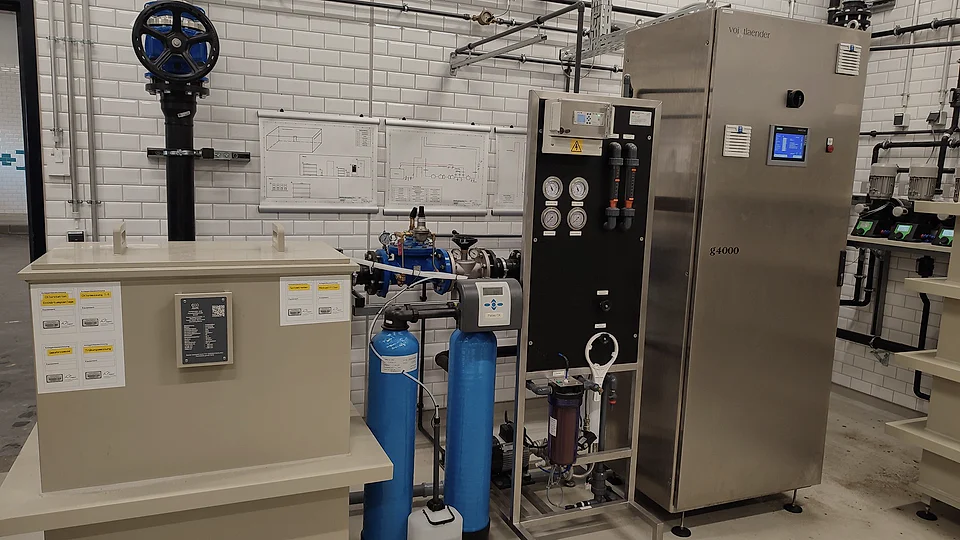
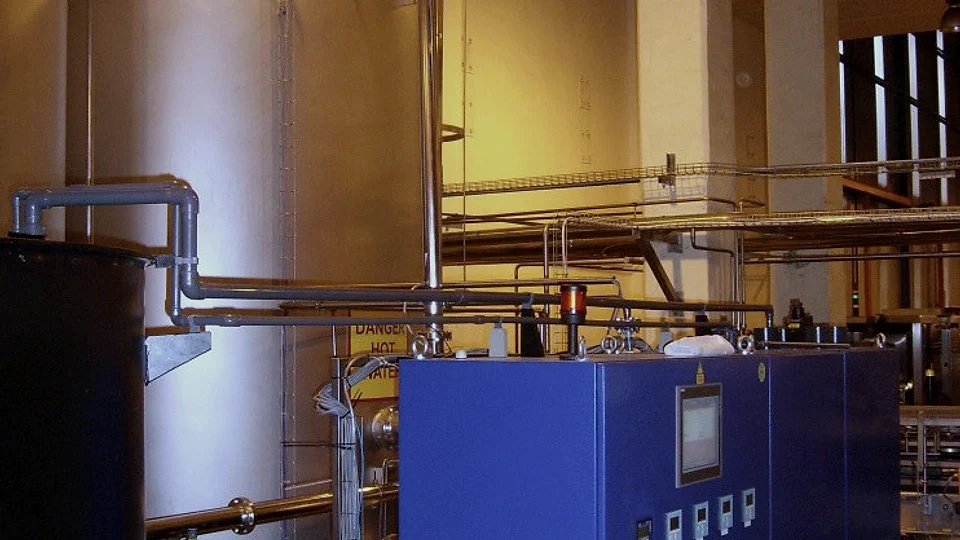
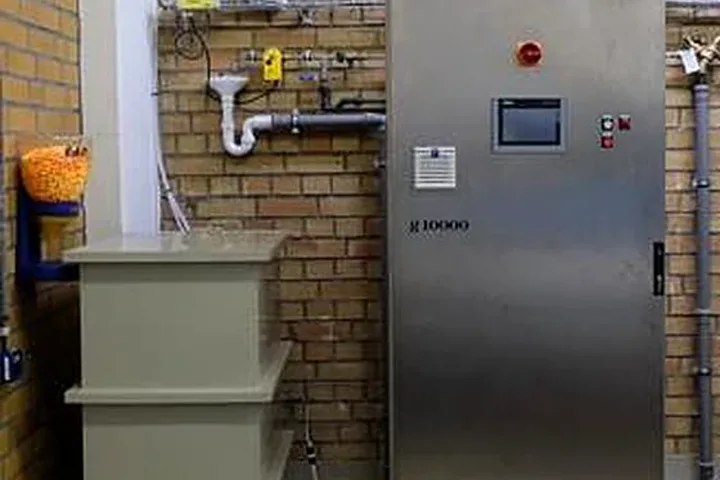
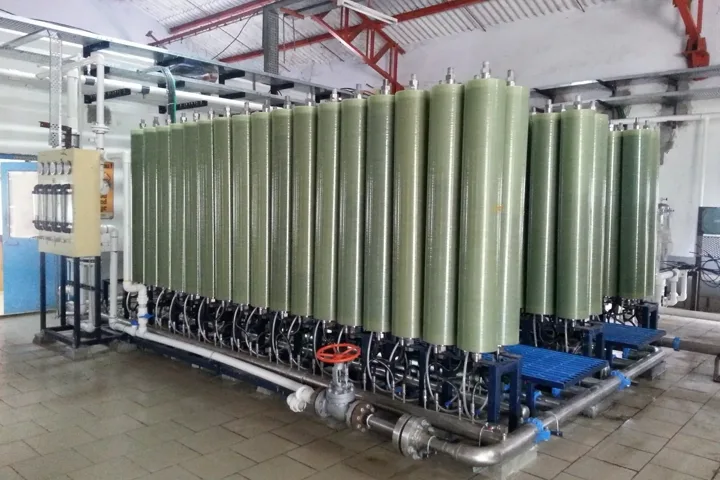
Annex 51 sets requirements; it does not prescribe a treatment method. Reverse osmosis is one option for landfill leachate. Membrane separation is a physical process in which the separated components undergo neither thermal, nor chemical, nor biological changes, and reverse osmosis allows the separation of low molecular substances and inorganic salts.
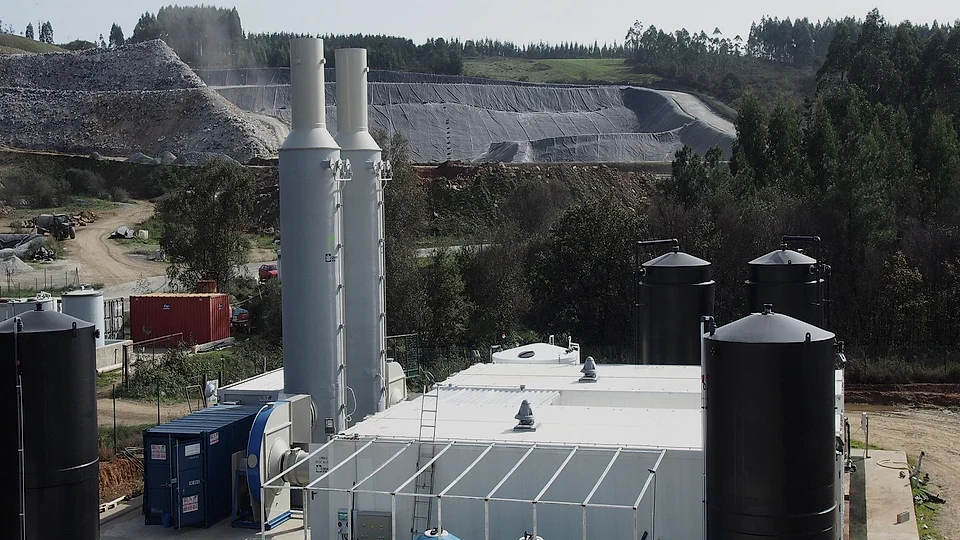
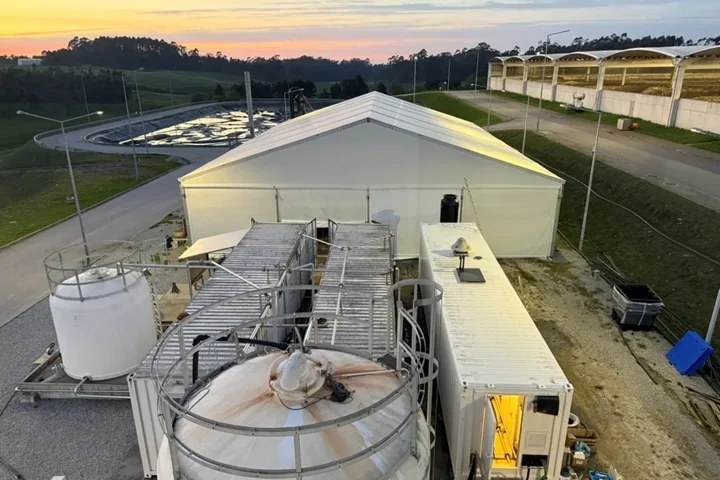
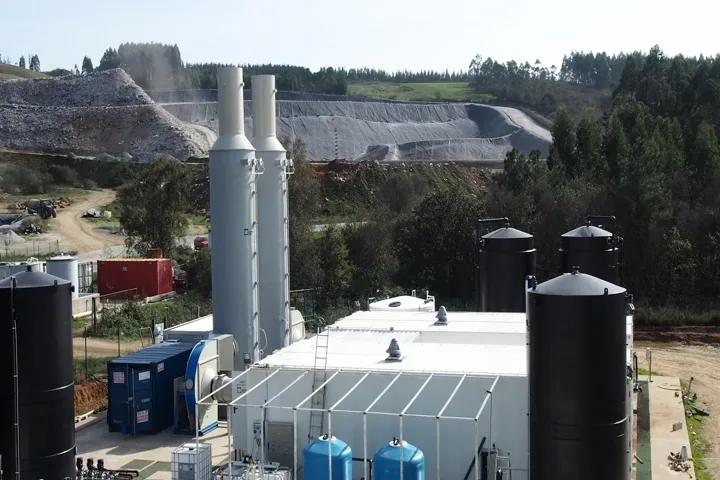
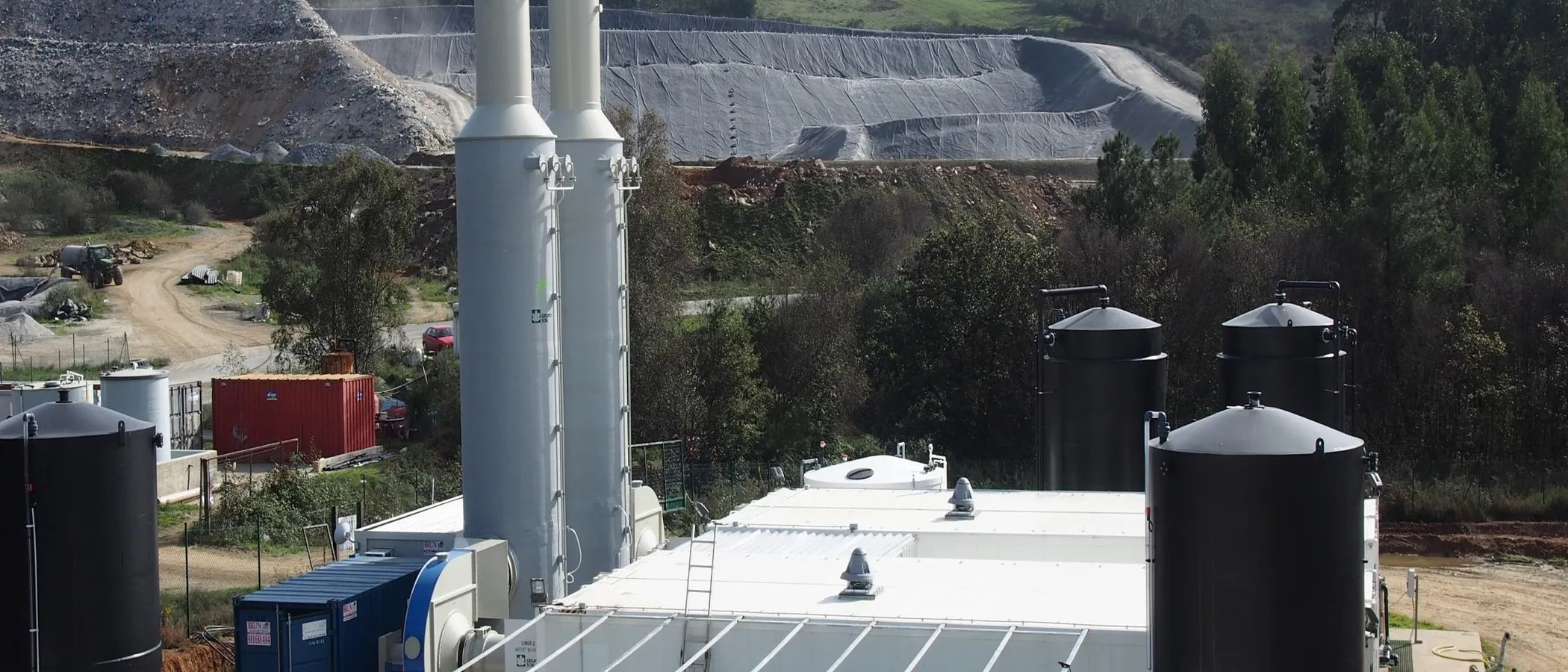
Rotreat RCDT reverse osmosis is usually operated at up to 90 bar, and a high pressure technique up to 160 bar is available, with which recovery rates of up to 95 % are possible. Documented leachate plants include a triple stage RCDT reverse osmosis plant in two trains with pre- and post-treatment in Galicia, Spain, with a design capacity of 600 m³ per day, as well as plants in Novo Mesto, Slovenia (120 m³ per day), Caraș, Romania (170 m³ per day) and Bijeljina, Bosnia and Herzegovina (35 m³ per day). These are project values for those plants, and the design for any new site begins with its own water analysis.
What this means for your site
Start with the origin of the load. Identify which streams arise on the site and which share of the pollutant load comes from the deposited waste, and document that allocation. Only then decide whether Annex 51 is the basis for assessment, and for which stream.
Next, assign each requirement to its reference point: Section C at the point of discharge, Section D before mixing with other wastewater. Check which special rules apply to the site, for example for high COD, for nitrogen or for municipal waste. Finally, size any treatment for the load that has actually been established, not for figures carried over from another project.
Annex 51 is part of German law and does not apply outside Germany. Operators elsewhere should check which national rules and permits govern their discharge. The order of the questions, origin first and figures second, remains a useful working method wherever the site is.
Have a water related question? Use Hydreatio Smart Match to find the assessment most relevant to your operation. The result provides directional guidance and does not replace laboratory testing, site inspection or expert assessment.
SourcesAbwasserverordnung (AbwV), Anhang 51, official text (gesetze-im-internet.de). Technical documentation from Rotreat. Anonymised reference projects. AbwV Anhang 51 (gesetze-im-internet.de)