
 ▶
 ▶
- Home
- Solutions
- Voigtländer
Voigtländer · Technology
Disinfectant produced on site with the Voigtländer g4000 generator
Voigtländer generates the active substance where it is used: from water, salt and electricity, dosed under control and measured continuously. This page explains the technology; the application pages show what it does for each sector.
- DIN EN 901 · § 11 TrinkwV (German Drinking Water Ordinance)
- DVGW W551
- TrinkwV approval (Umweltbundesamt, the German Environment Agency)
- WHO-compliant
- CE conformity
- No change in taste
The generator
A three-chamber generator turns water, salt and electricity into anolyte
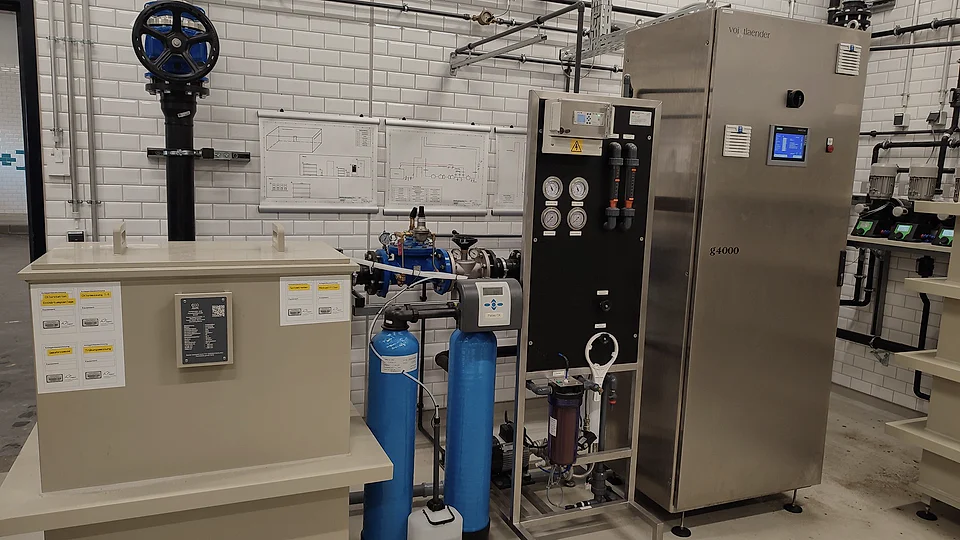
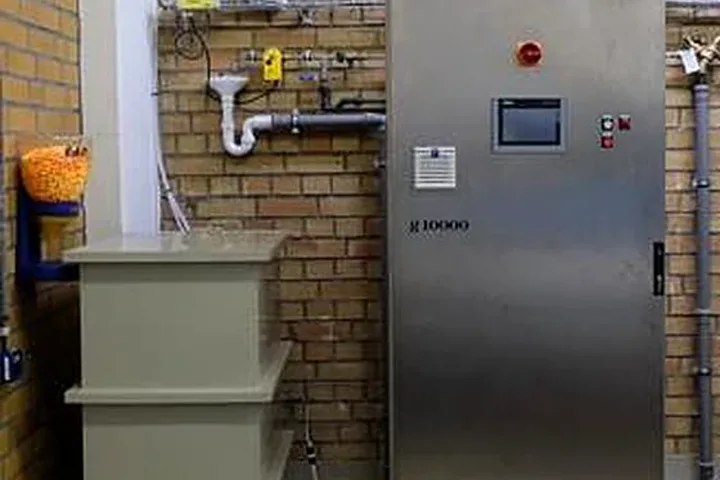
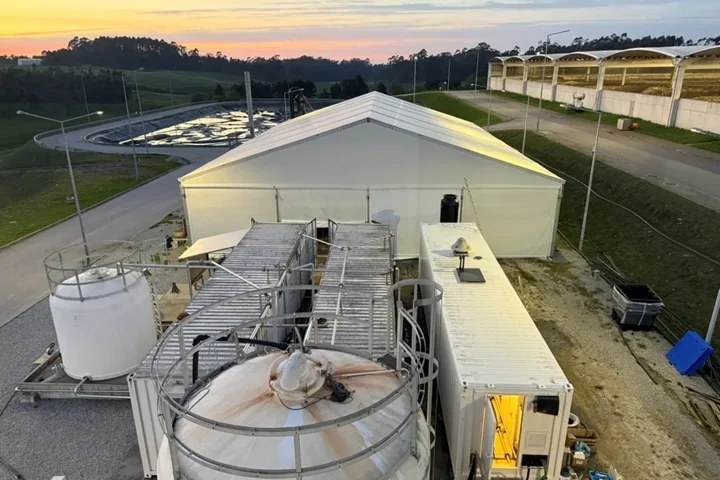
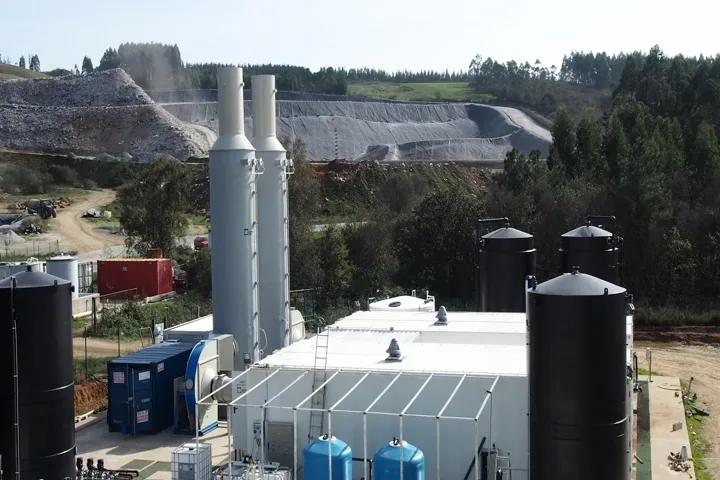
The Voigtländer g4000 generator produces anolyte, hypochlorous acid (HOCl), on site from water, salt and electricity. There is no chlorine gas to store or transport, and no chlorine dioxide precursor store. The active substance is made at the point of use, as needed, and dosed under control into the intended water path.
The process is not described in absolute terms about chlorine or about chemicals in general. Salt is an input to the generator, not something the process avoids.
The process
From generator to dosing point, measured throughout
Inlet and water meter, brine tank, the three-chamber generator, anolyte tank, demand-led dosing, measurement and control: seven stages in 34 seconds. Press "Show me the process" to start the animated 3D diagram.
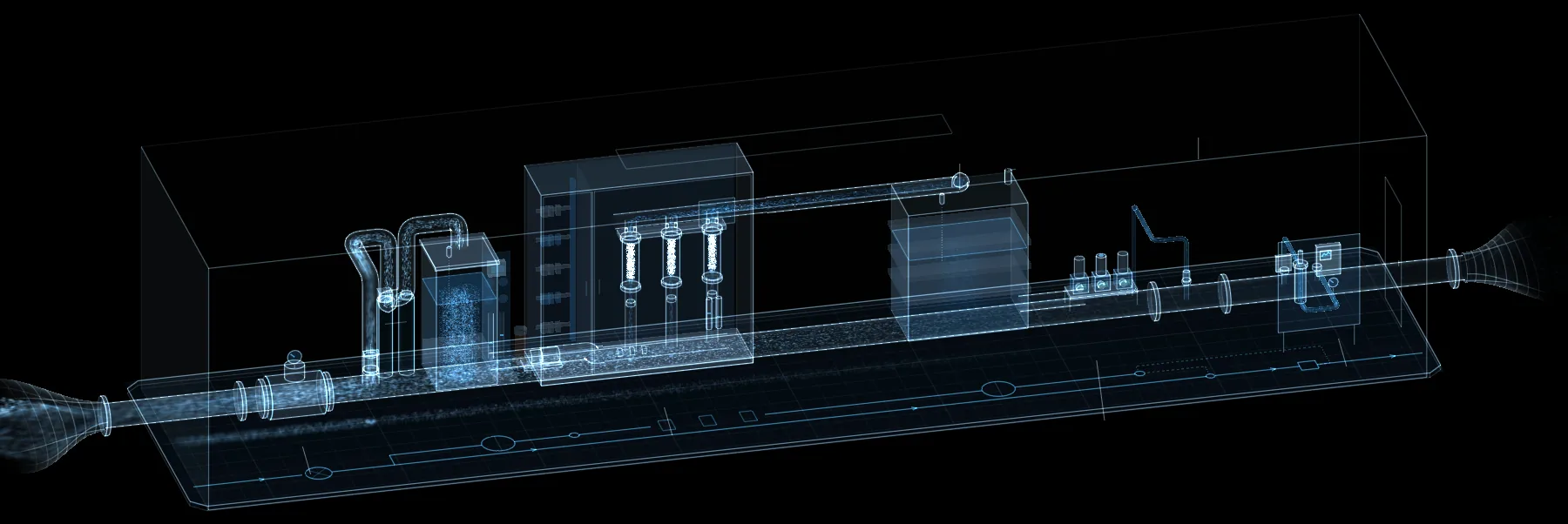
Modelled from the Voigtländer plant schematic of an anolyte system, in the drawing language of the home page. The cards show documented facts only, no invented figures.
In the plant
Seen in operation
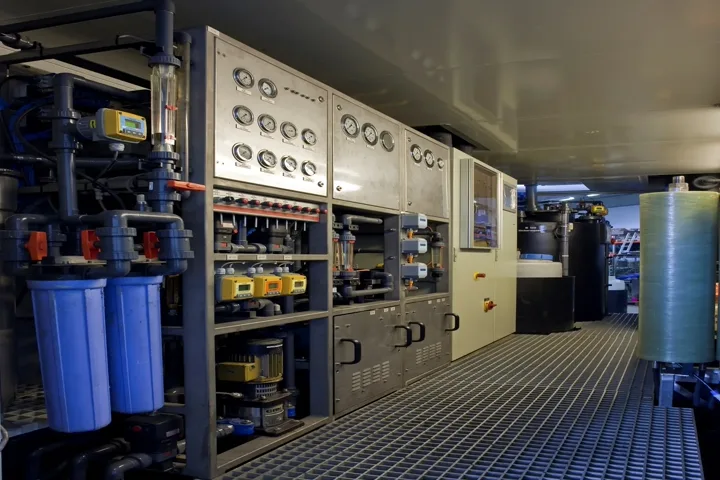
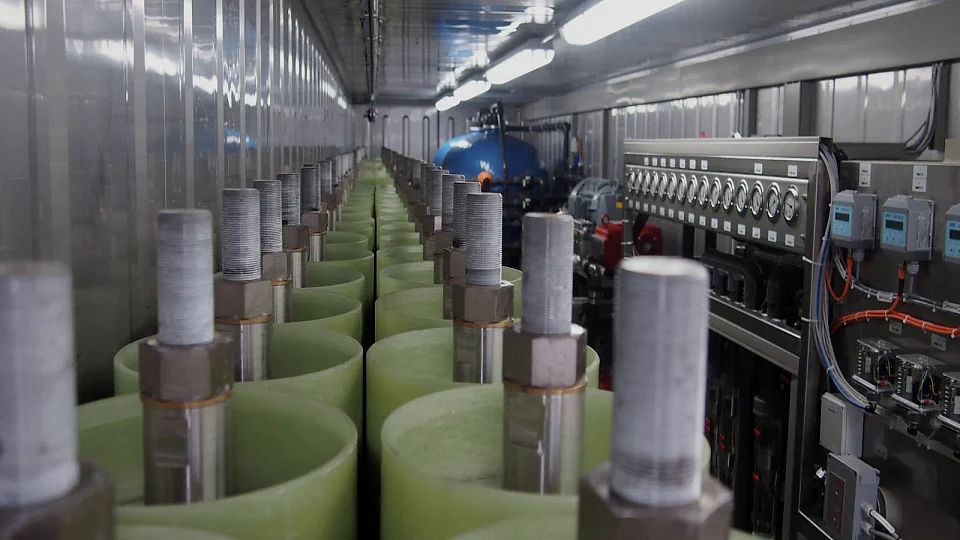
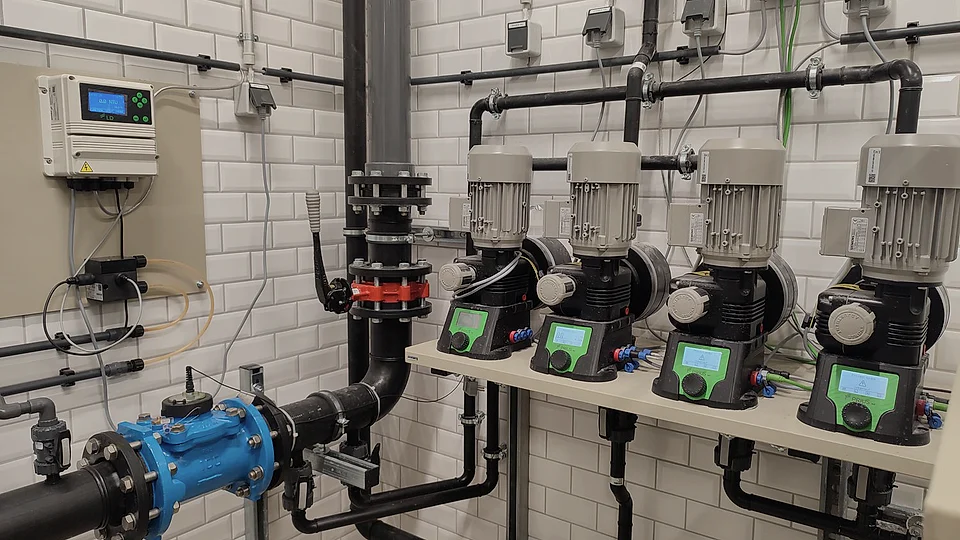
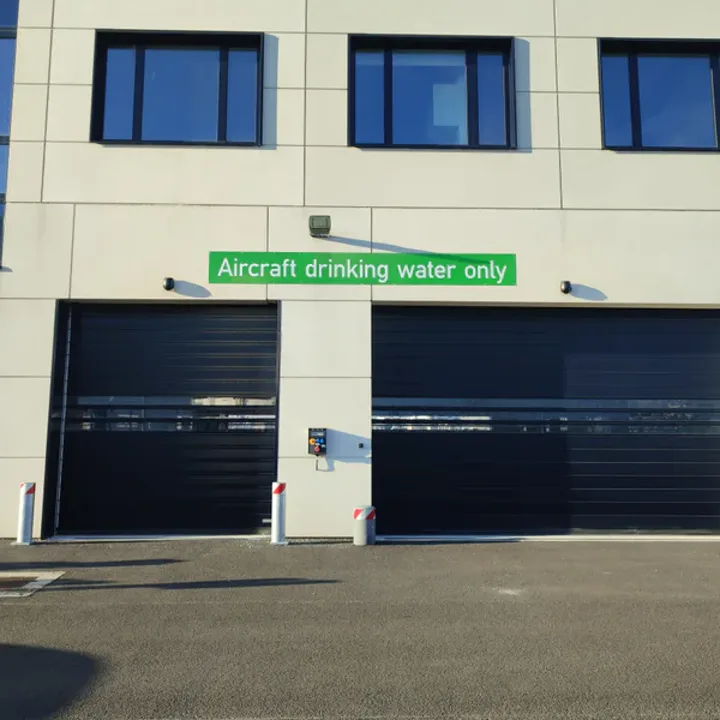
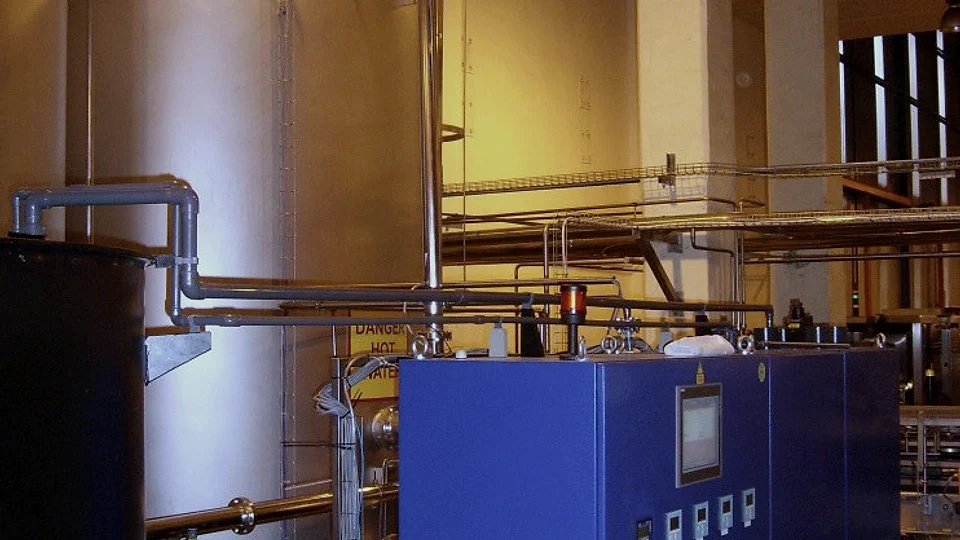
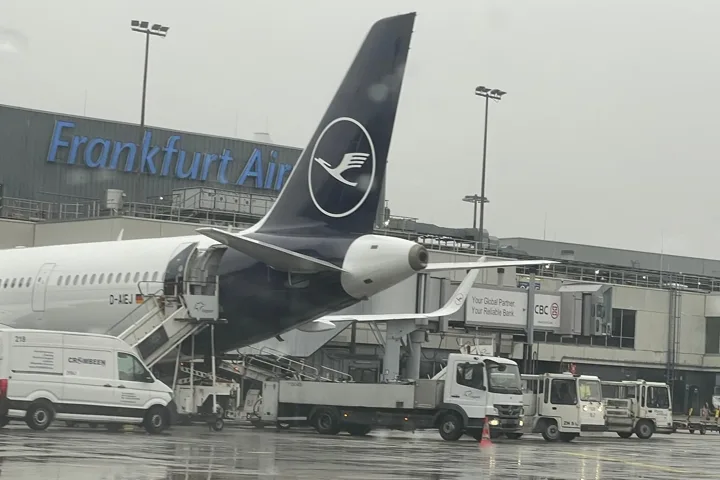
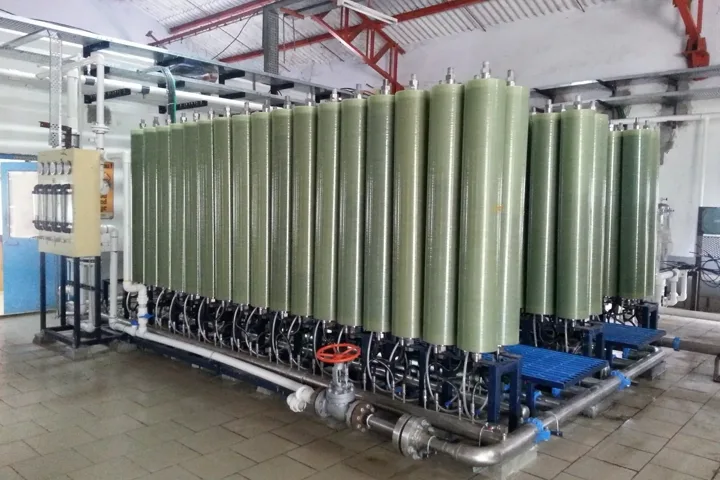
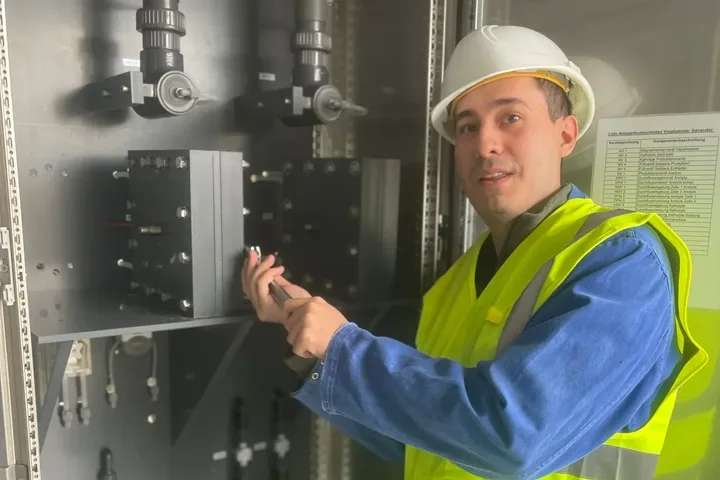
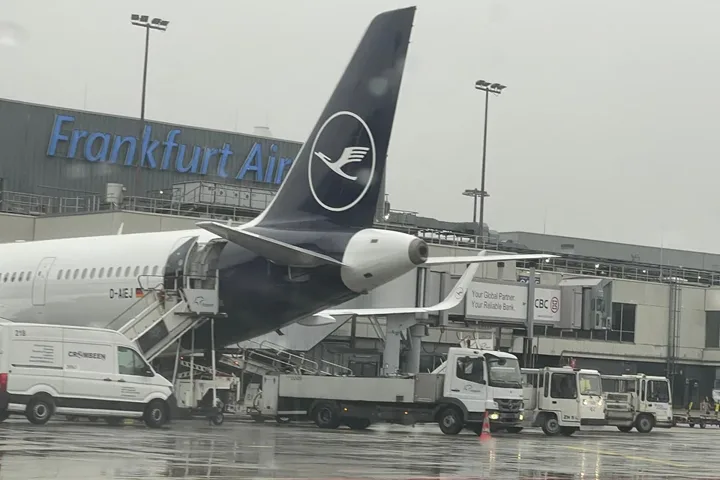
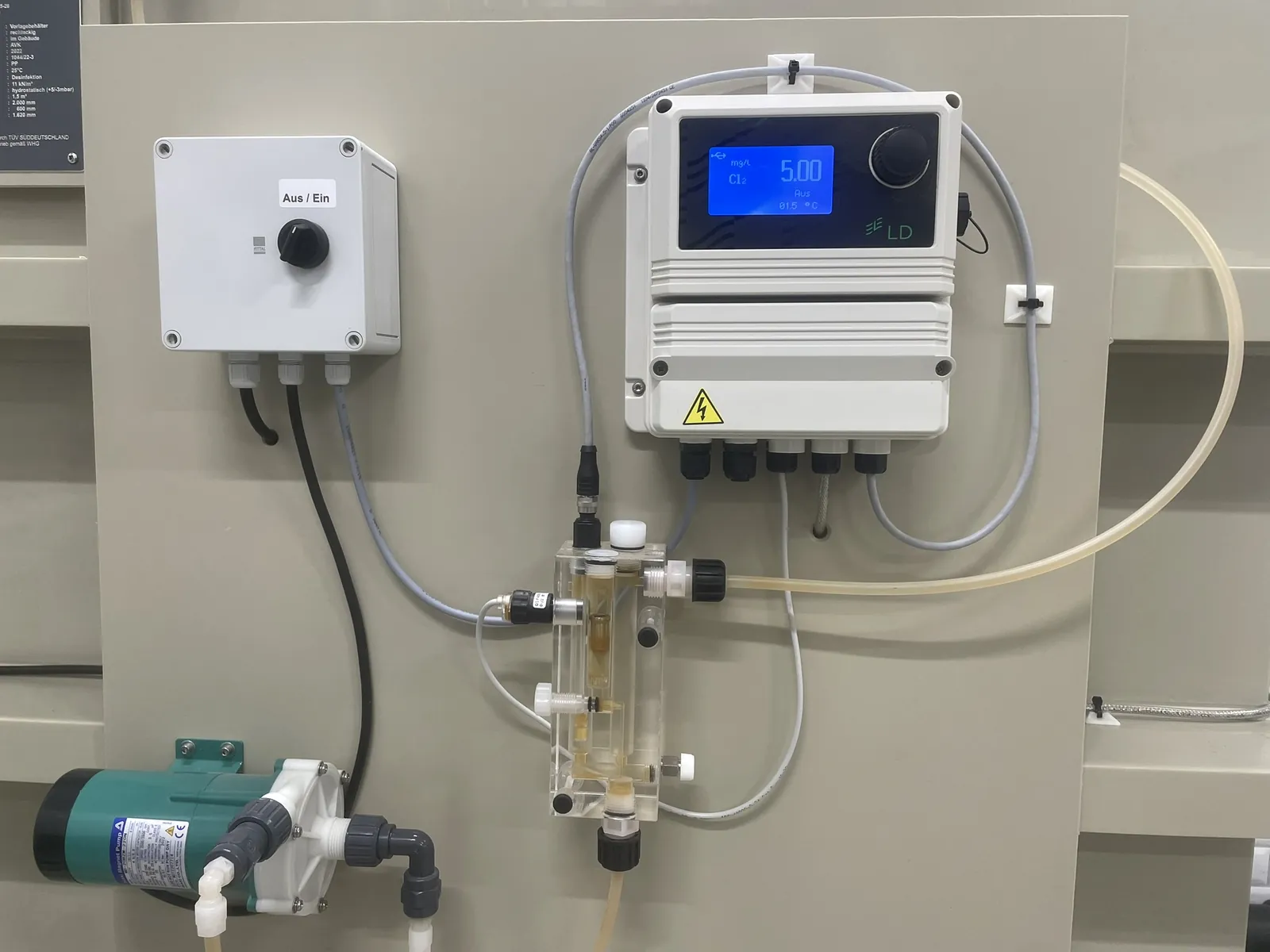
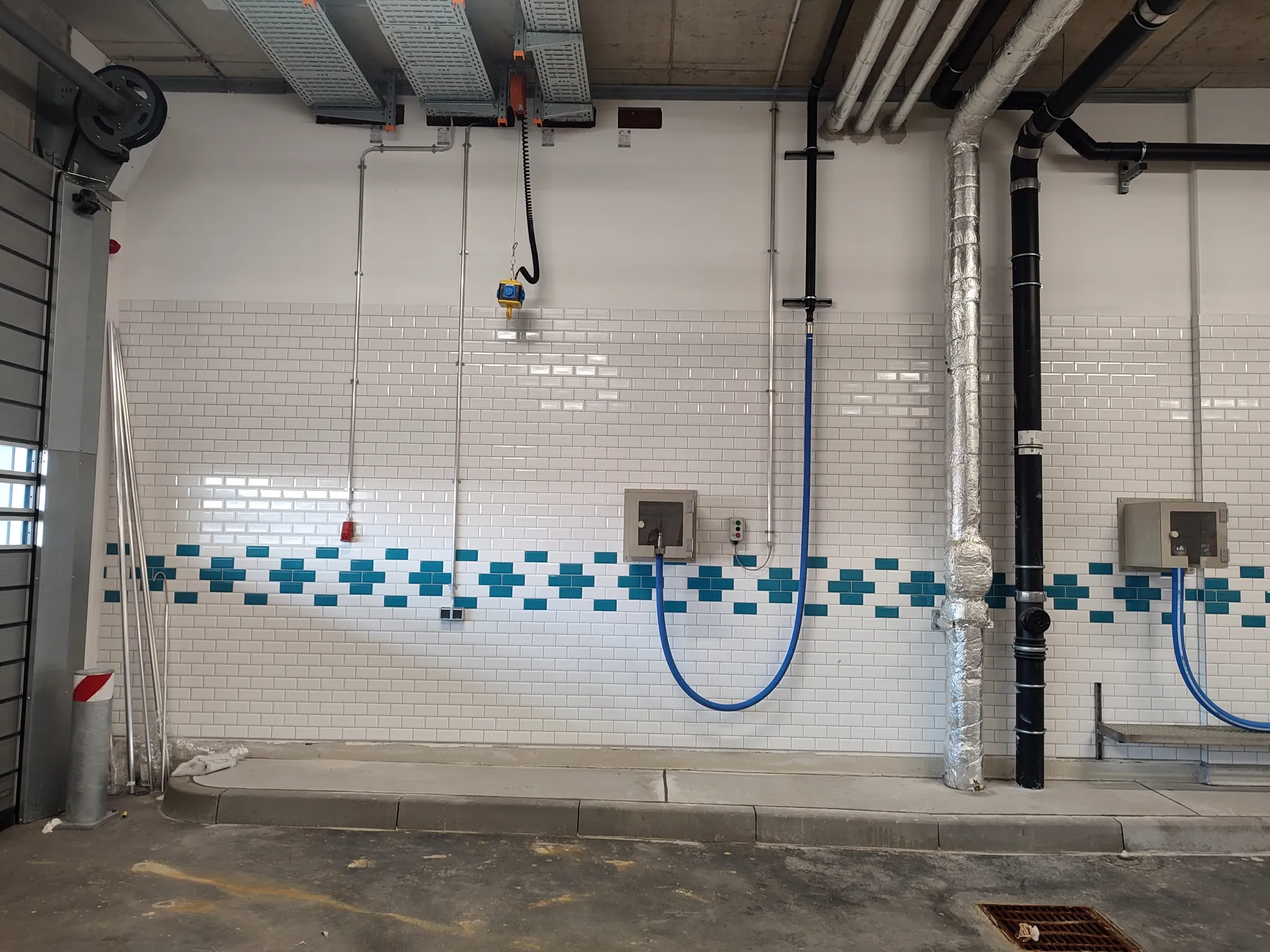
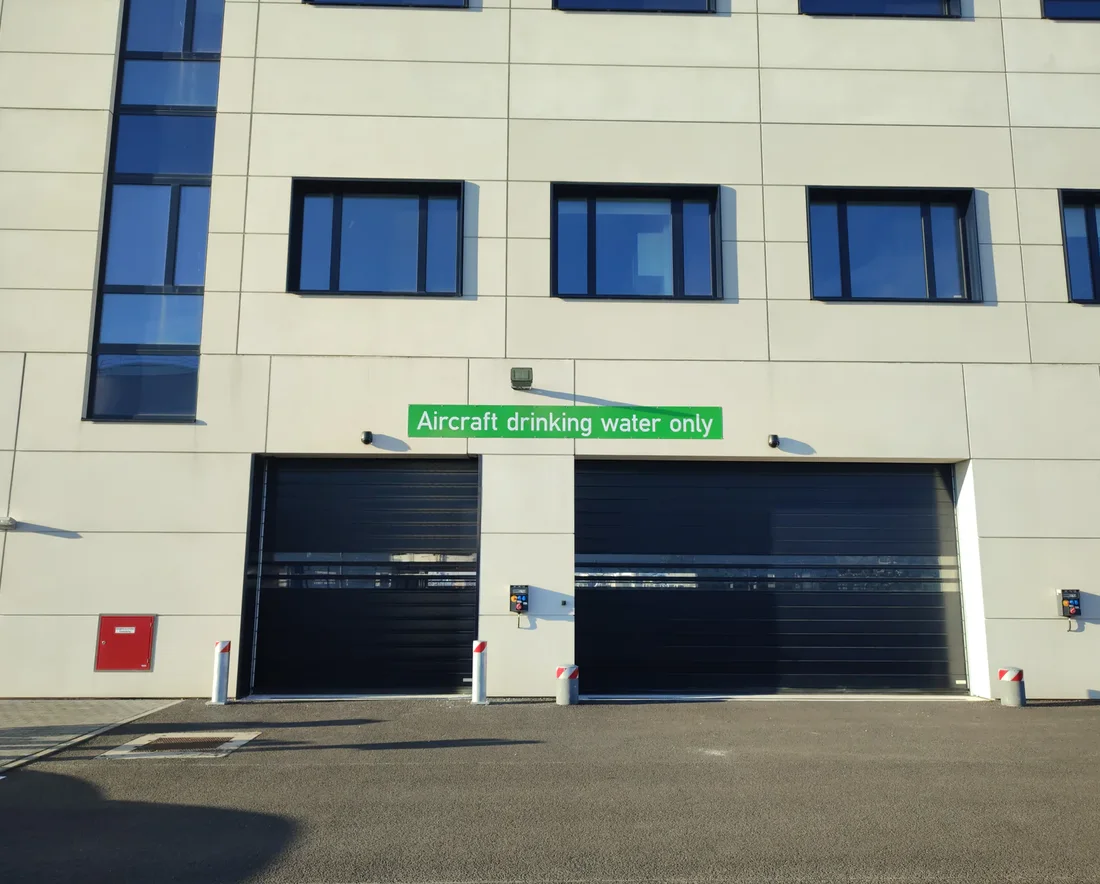
Short clips from a Voigtländer installation at an airport: the plant room with the g4000 generator, a chlorine controller reading in operation, and the aircraft drinking water bay.
What makes it different
Generated on site, dosed to measurement, kept traceable
Generated on site
The active substance is produced at the point of use instead of storing and transporting chlorine gas or chlorine dioxide precursors.
Dosed under measurement
Dosing follows measured values, not a fixed schedule, and is integrated into the existing water path or cleaning sequence.
Measured and traceable
Water quality is measured continuously, so operation stays traceable for HACCP, audits and regulatory evidence.
Where it is used
One generator technology, four application areas
The g4000 generator is the same across sectors; the application pages describe how it is integrated into each specific water path and what the sector-specific requirements are.
Buildings: Legionella remediation
Anolyte dosed into the drinking water installation, without a chlorine dioxide store, with continuous measurement and documentation.
View the buildings application page ›Aviation: aircraft drinking water
Continuous, monitored drinking water hygiene from storage tank to aircraft, without chlorine gas logistics.
View the aviation application page ›Food and beverage: CIP and process hygiene
Anolyte integrated into the existing CIP cleaning sequence for shorter, validated cycles.
View the CIP application page ›Cooling systems: cooling tower Legionella
On-site generation and measurement-led dosing for evaporative cooling systems and cooling towers under the 42. BImSchV.
View the cooling application page ›
Application
Where the g4000 generator is in operation
Frankfurt Airport has run a Voigtländer system since 2003. The case study describes the integration of a g4000 generator, controlled on-site generation, monitoring and documentation.
More installations
Airports and care homes in operation
Macau Airport
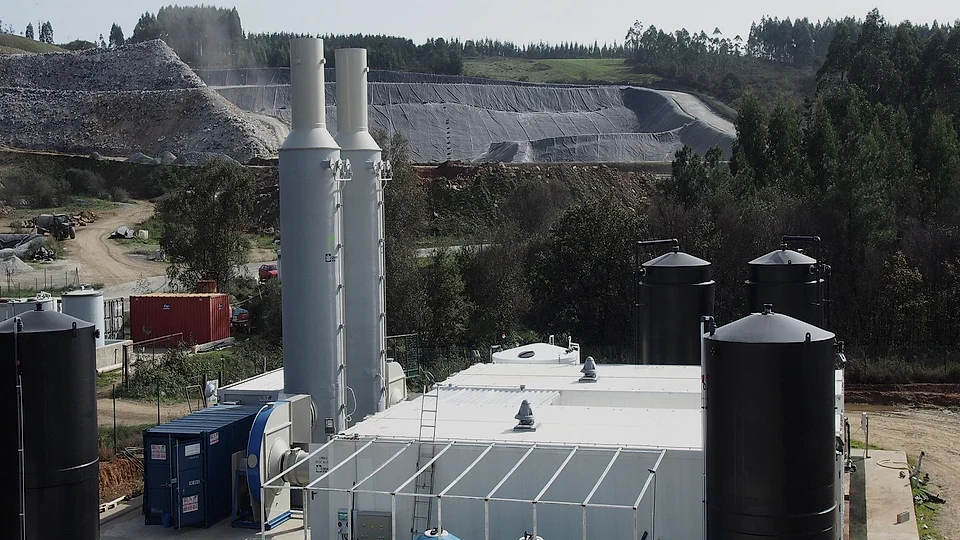
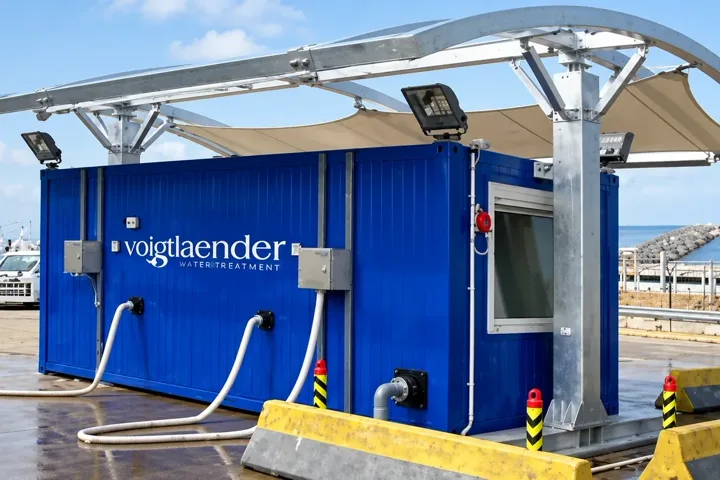
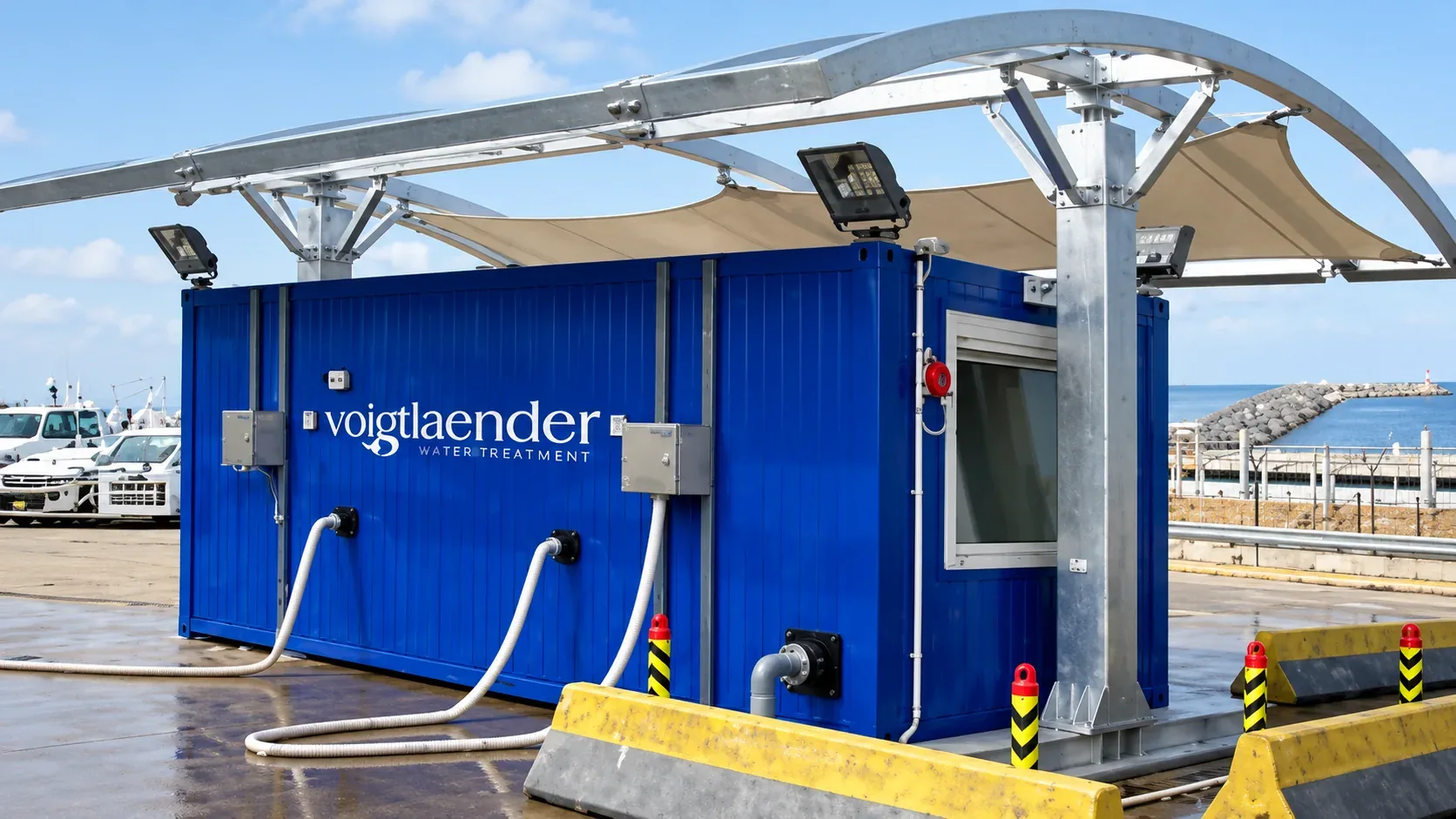
Anolyte produced on site, the complete system in a 20-foot container.
View the Macau Airport reference ›Saarbrücken Airport
Anolyte dosed into the mains water, about 10 m³ of drinking water a day.
View the Saarbrücken Airport reference ›Ten care homes, one drinking water programme
Ten care homes kept failing the drinking water regulations despite thermal disinfection. After a month of testing, the systems went into every home.
View the care homes reference ›
Voigtländer in other sectors
The same method, proven across sectors
Aviation
Drinking water for aircraft
- Frankfurt Airport, in use since 2003
- Macau Airport
- Saarbrücken Airport
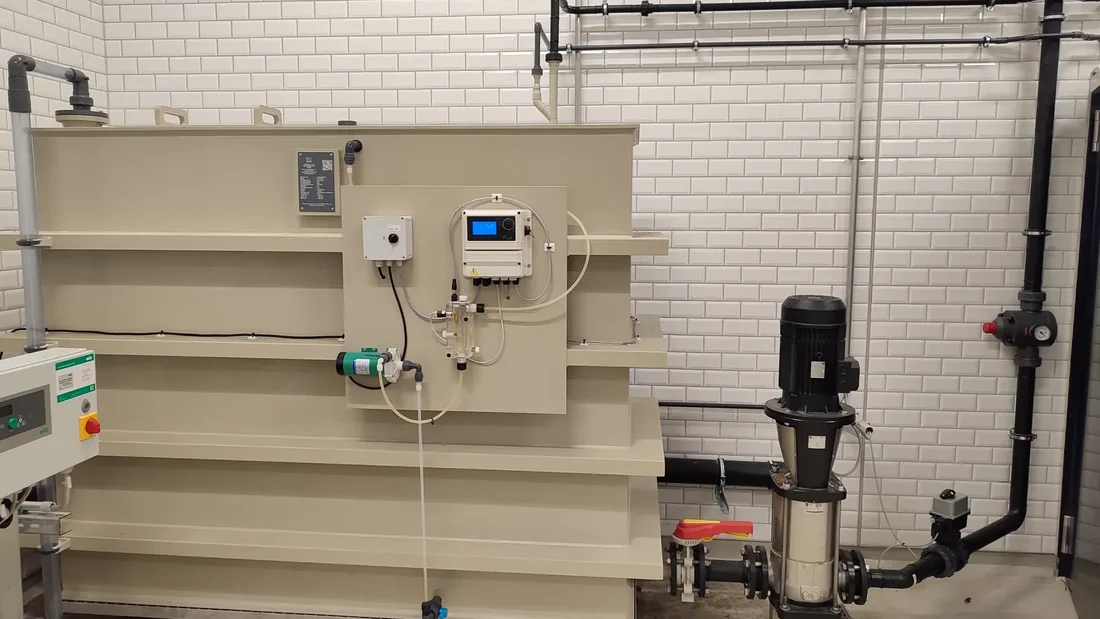
Buildings
Drinking-water hygiene in buildings
- Ten care homes, one programme
- Residential complex with 58 apartments
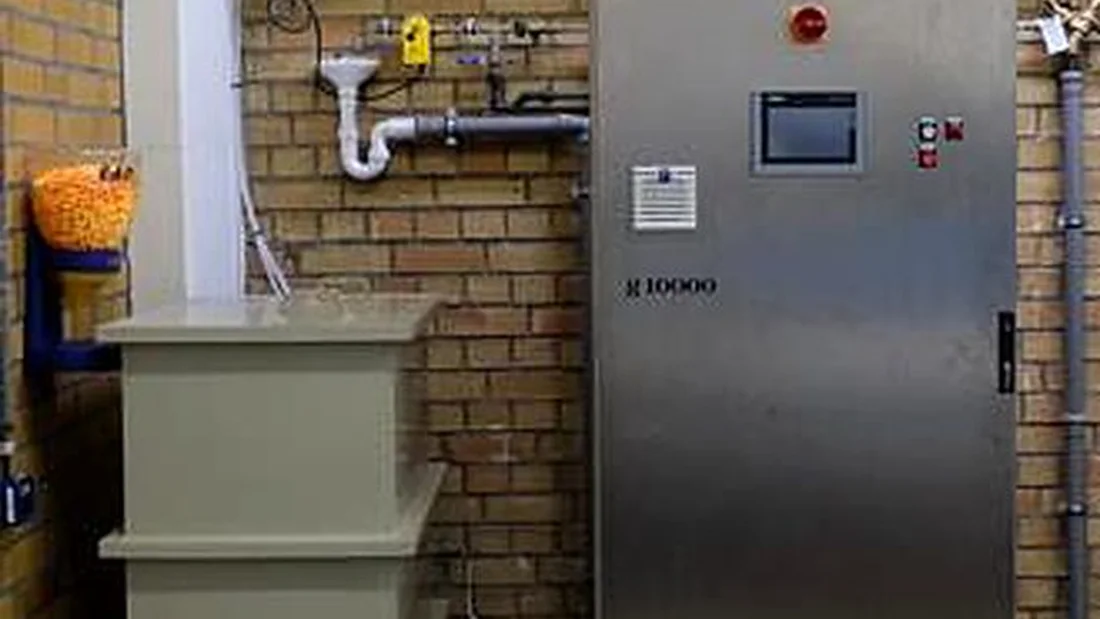
Cooling systems
Cooling towers and evaporative cooling
- University clinic: anolyte dosing in the cooling circuit, controlled by redox measurement
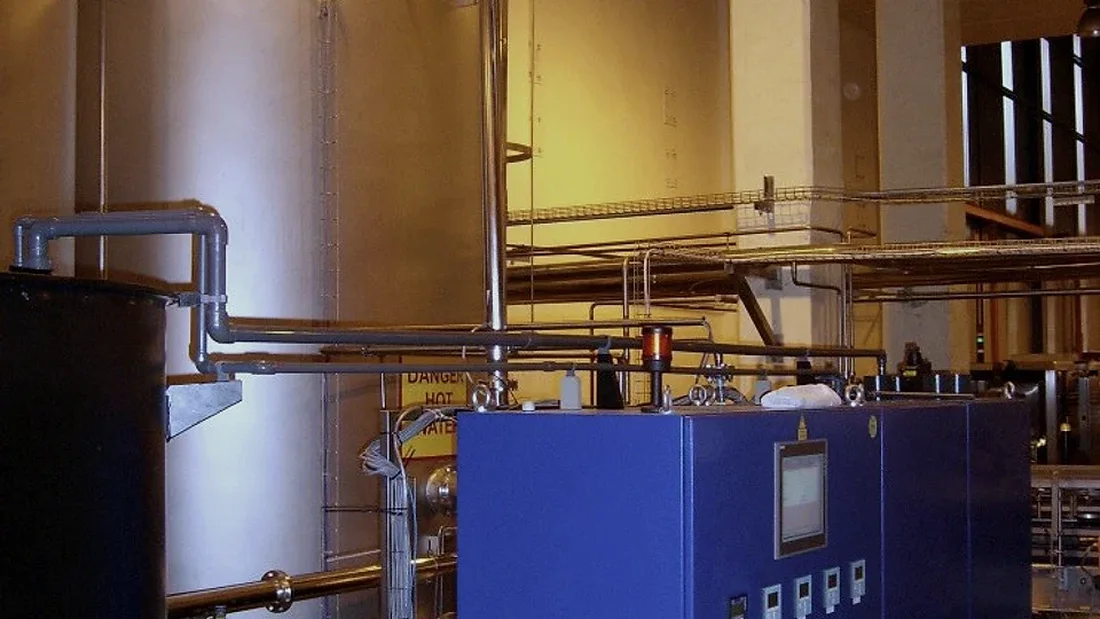
Food and beverage
CIP and process hygiene
- Soft drinks CIP and bottling plant
- Dairy and brewery
- Salad washing and canned food
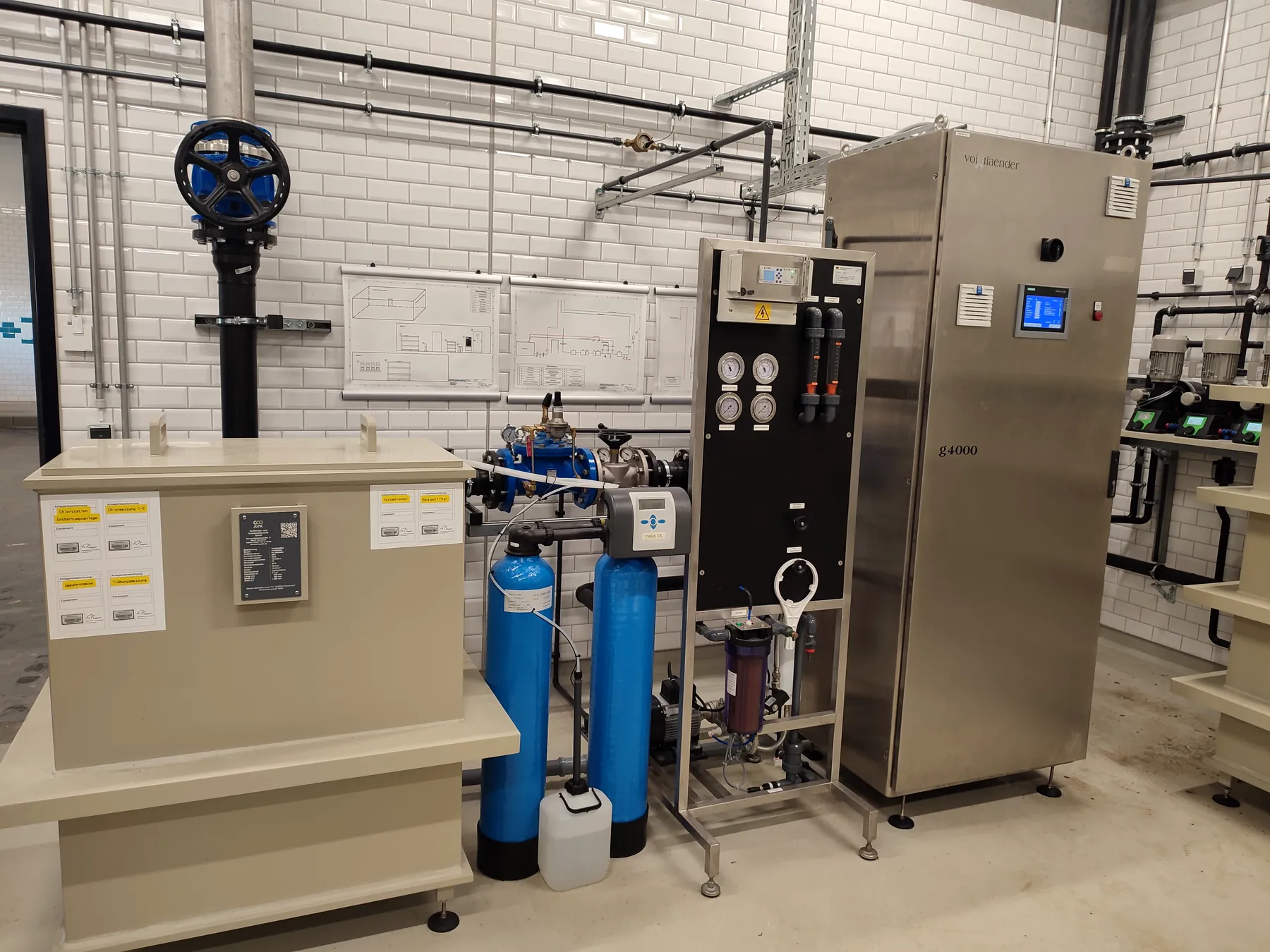
Further applications
Agriculture and industry
- Drinking water on a poultry farm
- Tissue production
Every entry is a Voigtländer application. Results are project-specific and are not a forecast for another site.
Next step
Ask about your own site
Tell us which sector applies and what triggers the enquiry: a Legionella finding, a chlorine gas or chlorine dioxide logistics question, a CIP review or a cooling tower duty under the 42. BImSchV. We point you to the right application page and the next assessment step.
- 1You describe your site and the sector.
- 2A specialist assesses your enquiry.
- 3We point you to the right application page and next step.
Ask about your site
Briefly describe your site and which sector applies. We will point you to the right application page and the next step.
Your enquiry is assessed by specialists. Results are not promised across the board; the application depends on the specific site.
Further pages
Legionella in drinking water systems
Remediation without a chlorine dioxide store, with continuous measurement.
Aircraft drinking water
Continuous, monitored drinking water hygiene without chlorine gas logistics.
CIP process hygiene
Reduce water, chemicals and cleaning time in the CIP process.
Cooling tower Legionella
Assess, monitor and document hygiene in evaporative cooling systems.
Describe your water problem
In a few questions, Smart Match places your situation and shows the most sensible next assessment step for your water system.
Speak to specialists directly
Prefer a conversation to a form? We place your situation technically and name the next assessment step.
Get in touch ›Send in a water analysis
Already have analysis values? Send them to us: we will review them and come back with a first assessment.
Send analysis ›VoigtländerDisinfectant produced on site.
Ask about your site