

 ▶
 ▶
Article Food and Beverage Hygiene and CIP
Drinking water, clean water, recycled water: three different roles
“Water” is not a standardised term in food production. Different rules apply depending on where it comes into contact with the product. Anyone who mixes different types of water risks either unnecessary effort or a genuine risk of contamination.

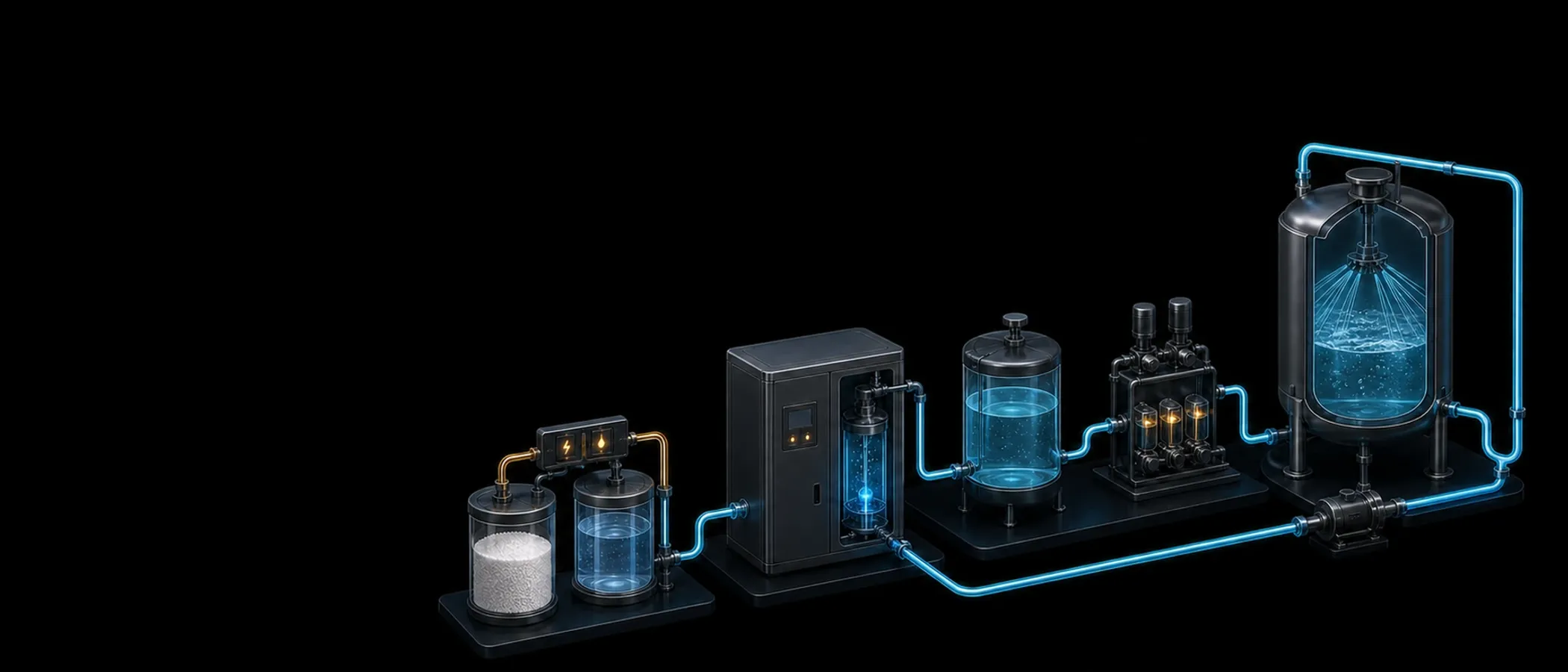 3D illustration created with AI
It is not the source of the water that matters, but its role in the process. The closer it is to the product, the stricter the requirements.
The Hygiene Regulations categorise this according to a clear principle: contact with food and the resulting risk of contamination.
This article outlines the three roles that water plays in a food business and explains which rules apply in each case.
The basis: Regulation (EC) 852/2004
The European Food Hygiene Regulation, Regulation (EC) No 852/2004,, stipulates in Annex II, Chapter VII, that drinking water must be available in sufficient quantities and that there must be no risk of contamination. In Germany, what constitutes drinking water is governed by the Drinking Water Ordinance (via § 3a of the Food Hygiene Regulation).
This results in three roles, each with three different rules.
Role 1: Drinking water, the standard for the product
Wherever water comes into contact with food, is used as an ingredient or is used to clean surfaces that come into contact with the product, drinking water must always be used. It must meet the minimum requirements of the Drinking Water Regulations.
This is the strictest and most common criterion. Where in doubt, drinking water is the correct standard.
Role 2: Clean water, the very limited exception
‘Clean water’ is a clearly defined exception, not a general substitute. The Regulation permits its use, for example, for whole fishery products; clean seawater for live bivalves and similar products; and clean water for external cleaning.
Where clean water is used, appropriate facilities and procedures must ensure that this does not result in any risk of contamination to the food.
Clean water is the exception, subject to certain conditions, not a cheap alternative to drinking water.
Role 3: Service water and treated water
The third category concerns water that does not come into contact with the product and reused water, and the Regulation makes a clear distinction here:
- Service water for purposes such as fire-fighting, steam generation or cooling must be conveyed through separate, properly labelled pipes. There must be no connection to the drinking water pipe and no possibility of backflow.
- Treated water that is reused for processing or as an ingredient must not pose a risk of contamination and must comply with drinking water standards. If it does not meet the minimum requirements, authorisation from the competent authority is required.
Reuse is becoming particularly important as water becomes scarcer and more expensive. It is permitted, but is subject to product safety requirements and, where in doubt, requires authorisation.
Where treatment begins
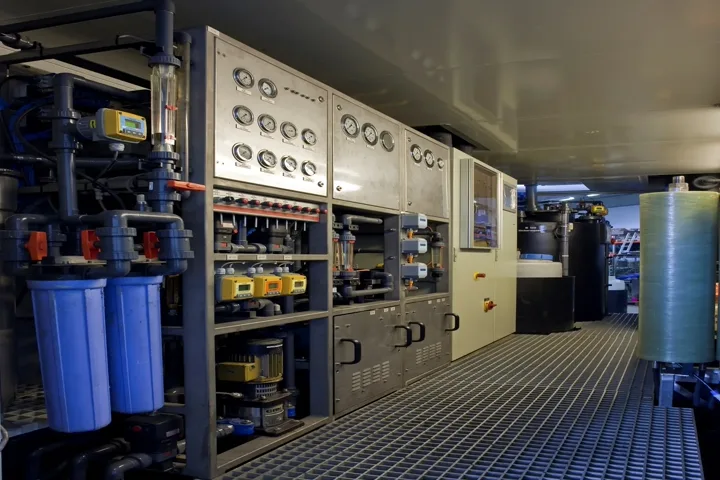
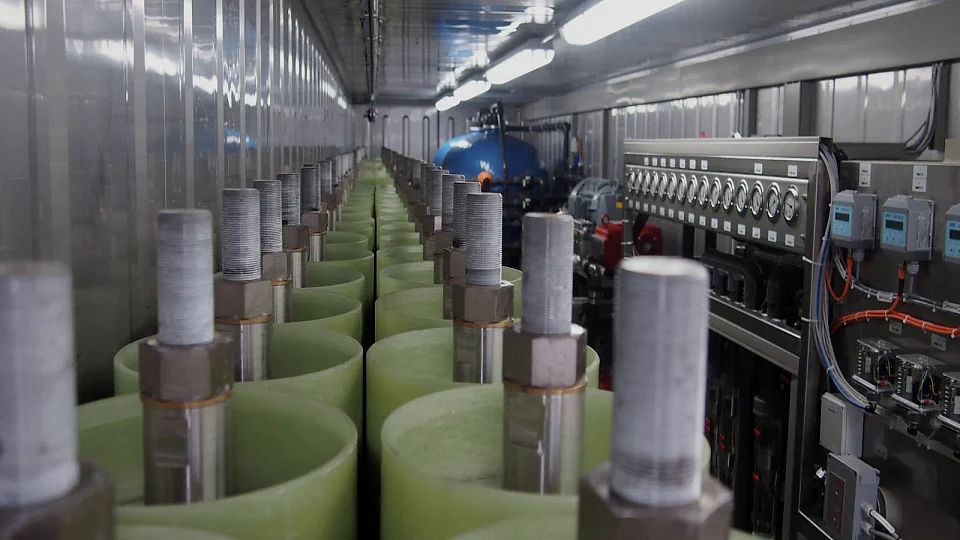
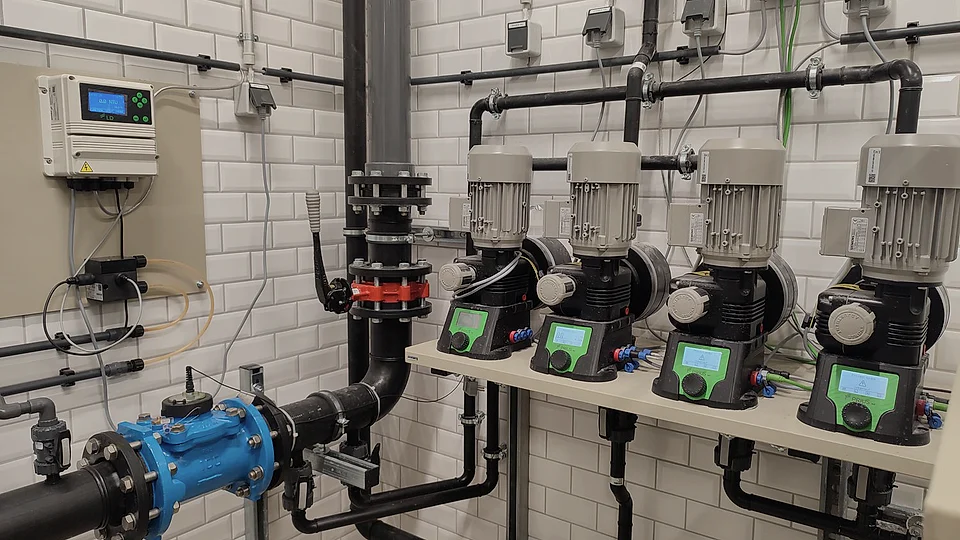
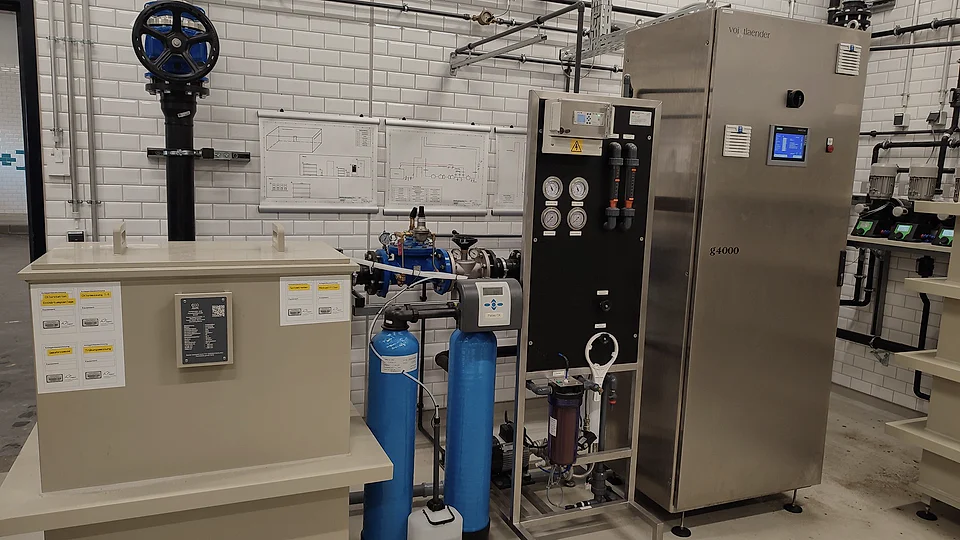
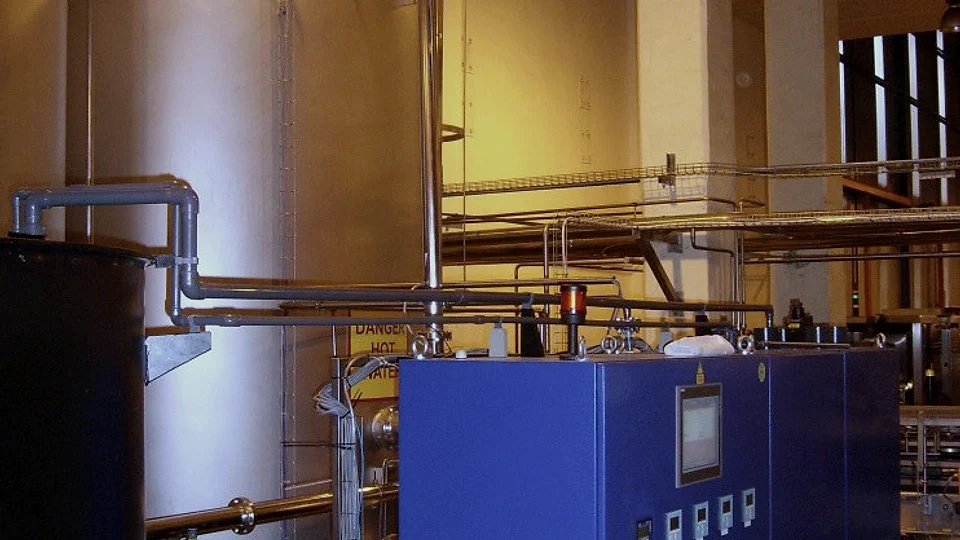
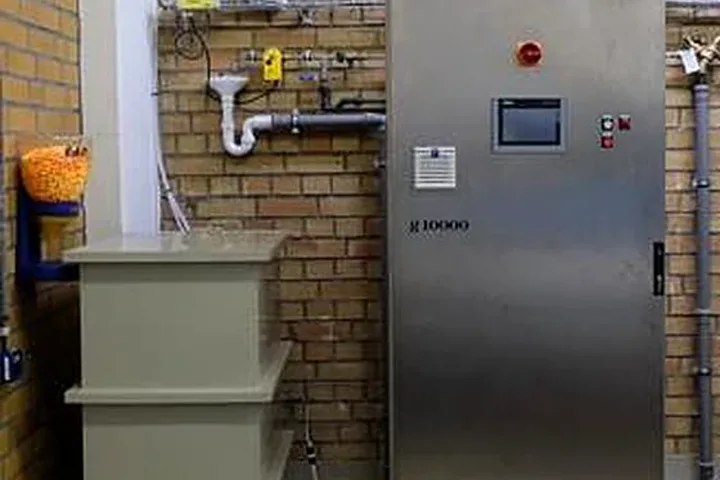
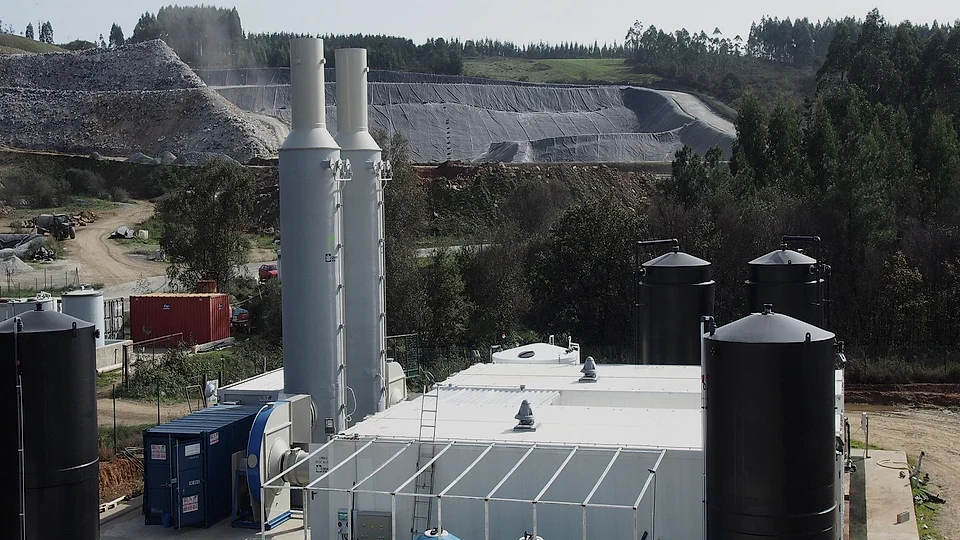
Whether process water meets the required standard is a matter of controlled, monitored hygiene, not a one-off treatment. Voigtländer’s systems operate using chloride-reduced anolyte (HOCl) and without chlorine gas or hazardous-substance storage on-site, and are suitable for continuous hygiene in production and CIP.
What you should bring with you
Classify all water used in the plant according to its role: drinking water for the product, clean water only in permitted exceptional cases, service water and treated water must be strictly separated and, where reused, subject to authorisation where applicable.
Not sure which type of water is required at which stage of your process? Our free initial assessment will clarify this for you.
SourcesRegulation (EC) No 852/2004 on food hygiene, Annex II, Chapter VII; Food Hygiene Regulation (LMHV) § 3a; Drinking Water Regulation (TrinkwV (German Drinking Water Ordinance)). Official texts on EUR-Lex and gesetze-im-internet.de. TrinkwV (gesetze-im-internet.de)