
 ▶
 ▶
- Guides
- Practical Guides
- AbwV Annex 51
Practical Guide Landfill
Anhang 51 AbwV in the case of landfill leachate
Anhang 51 The Waste Water Ordinance sets out the requirements for the discharge of waste water from above-ground waste disposal sites. It provides a relevant framework for assessing landfill leachate, but does not automatically guarantee authorisation. This page outlines the key points to consider when selecting a procedure.
What applies now
- At the discharge point, one of the requirements is a CSB value of 200 mg/l.
- For wastewater with an expected influent COD of over 4,000 mg/l a value is used instead of the concentration value 95% reduction in freight costs.
- There is currently no data available for PFAS no numerical value of its own at Anhang 51.
- The specific discharge limits and monitoring points are set out in the water law permit for the site.
To which types of waste water does the Annex apply?
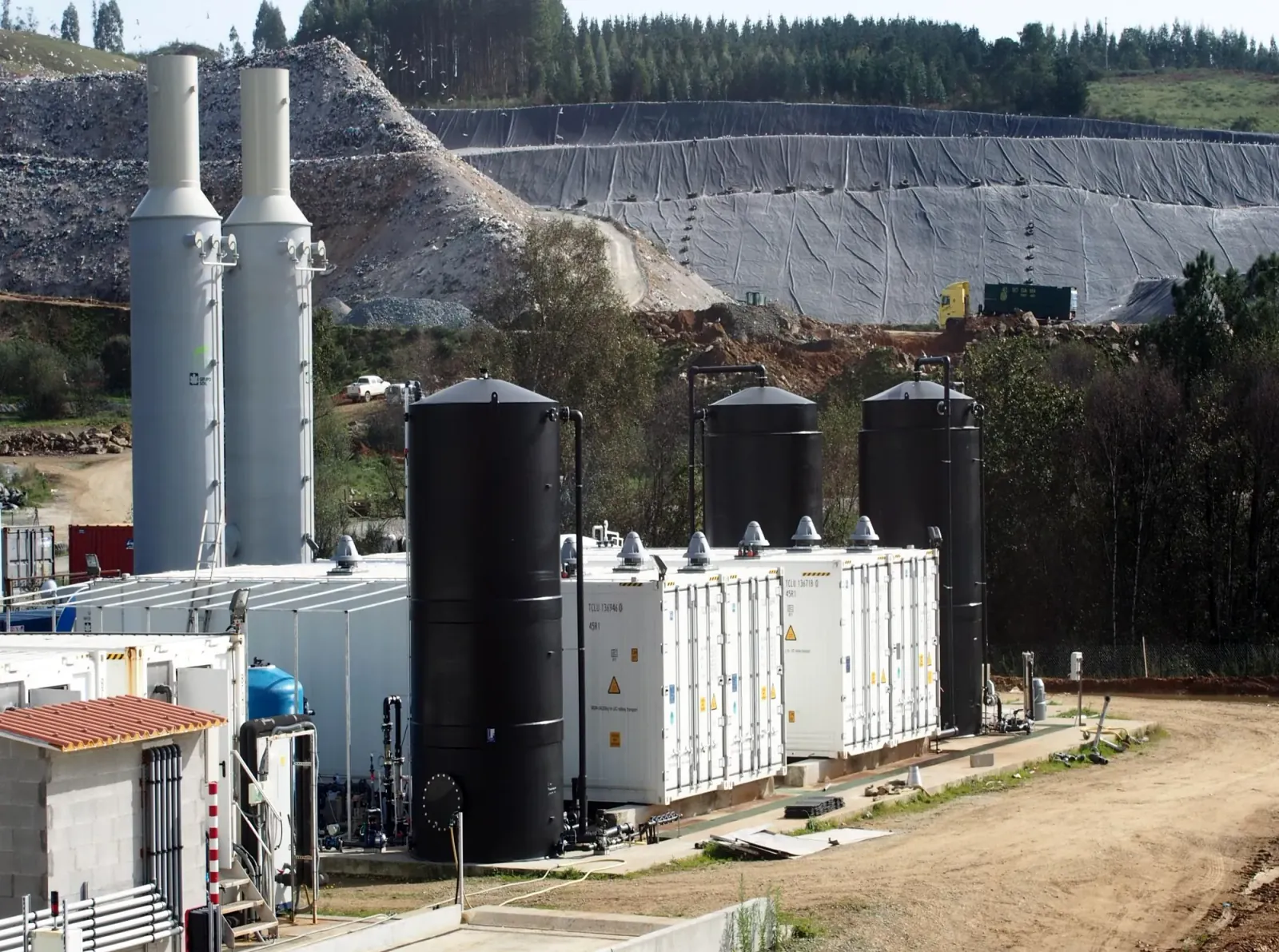
Anhang 51 This concerns wastewater from the above-ground disposal of waste, essentially landfill leachate. The origin and classification of the wastewater stream, as well as the provisions of the water law permit, are decisive. Other types of wastewater are covered by their own annexes; a blanket application of the values is not permitted.
Which discharge values and reduction targets count
Two key parameters are central to the CSB and must not be confused:
| Situation | Requirement |
|---|---|
| Typical situation at the discharge point | 200 mg/l CSB |
| Inflow CSB expected to be > 4,000 mg/l | 95 per cent reduction in cargo instead of the concentration value |
In addition, the Annex sets out further parameters and monitoring rules. The specific values applicable to a site are determined by the permit and the actual wastewater flow.
What analytical data is required before selecting a process?
Before a treatment process is designed, a robust analysis of the influent is required: conductivity, COD, ammonium, relevant heavy metals and trace substances, as well as the range of variation over time. This data is used to determine the pre-treatment, membrane selection, recovery target and the expected concentrate yield.
Assess treatment, concentrate and disposal methods together
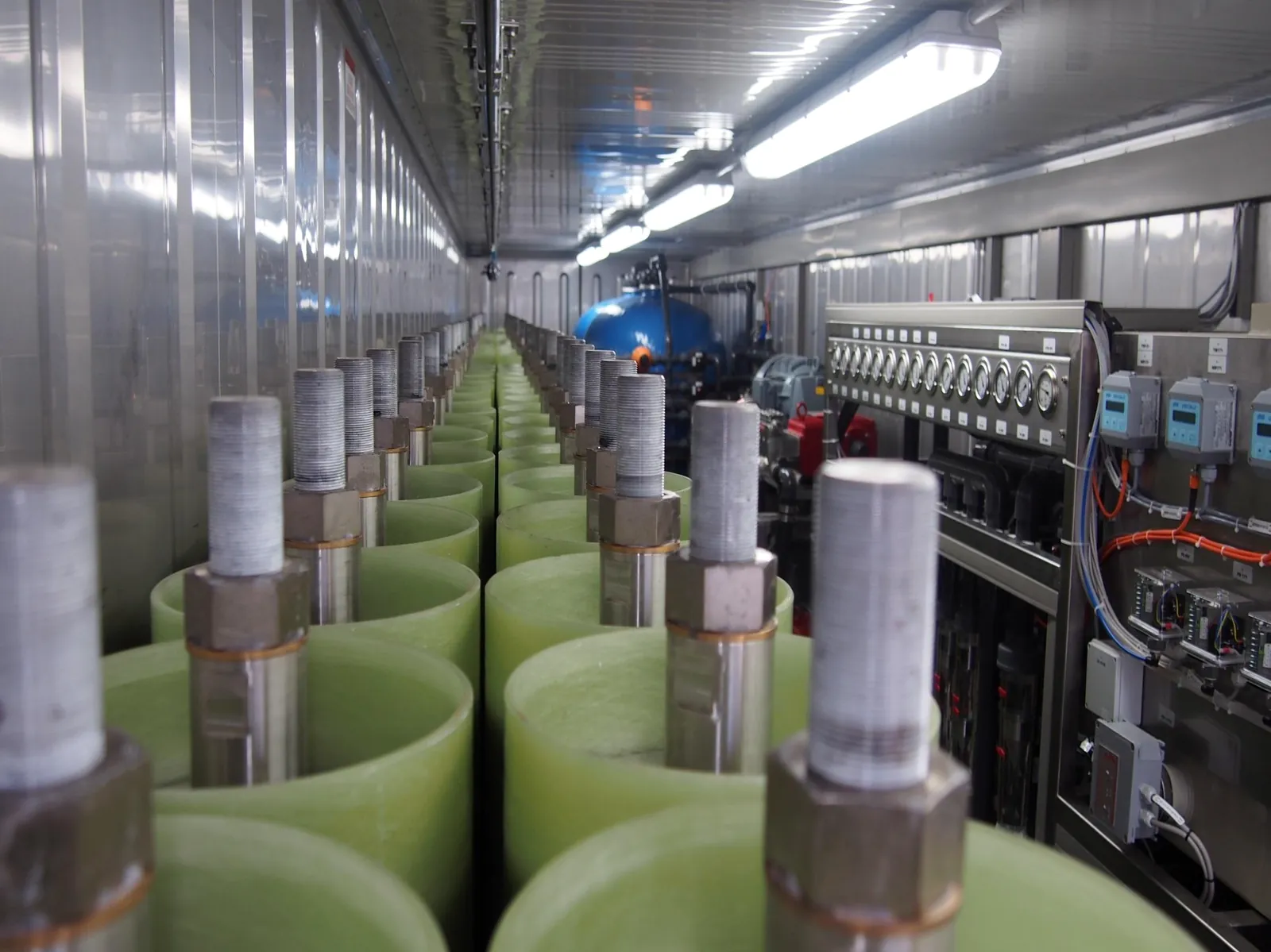
Reverse osmosis separates substances from the water stream and concentrates them into a smaller residual volume. This also applies to PFAS: the retention rate is high (membrane processes largely retain PFAS), but the substances are not destroyed in the process. The concentrate pathway (concentration, recirculation or external recovery) must therefore be included in the assessment from the outset, not just after the plant has been selected.
Prepare the pilot project for the authorisation planning
A pilot study carried out on the actual feedwater stream demonstrates the flow quality and recovery rates that can be achieved under the specific conditions. This data provides significantly better support for the planning of the approval process than a general data sheet, and enables the subsequent plant to be designed to withstand the loads.
A pilot study carried out on the actual feedwater stream demonstrates the flow quality and recovery rates that can be achieved under the specific conditions.
Primary sourceWastewater Ordinance (AbwV), Anhang 51: Surface disposal of waste, Federal Ministry of Justice. The discharge limits specific to each site are set out in the water law permit. The current version shall apply. AbwV Anhang 51 (gesetze-im-internet.de)