

 ▶
 ▶
Article Evaporative cooling systems and cooling towers
Using a 600 m³/day Landfill Leachate Reference Correctly
Planners who receive a reference for a 600 m³ per day landfill leachate plant usually ask one question first: is this installation comparable to my site? A capacity figure alone answers very little. Leachate volume and composition, the pre and post treatment steps, and the membrane arrangement all determine what a plant can do, and a headline number hides most of that detail.

Many operators assess on site treatment against off site disposal. Our documentation does not contain a cost figure for the Galicia plant, and this article does not provide one.
This article uses the Galicia reference in Spain to show how to read such a reference. It does not offer guarantees for any other site. The figures below come from our project documentation, and each one carries the limit that applies to it.
Reading the 600 m³ per day figure and the reference card
The Galicia reference is listed at 600 m³ per day, described as the design capacity of the installation. A design capacity is the throughput the plant was dimensioned for. It is not a measured annual average, and it does not show how the plant performed on any particular day. Planners should treat the figure as a sizing basis.
Whether that basis matches your site depends on the feed the plant was designed for. The reference material available to us does not give a complete feed analysis, so the capacity figure cannot be transferred to your leachate without your own water data. Our project approach starts from the water analysis for this reason.
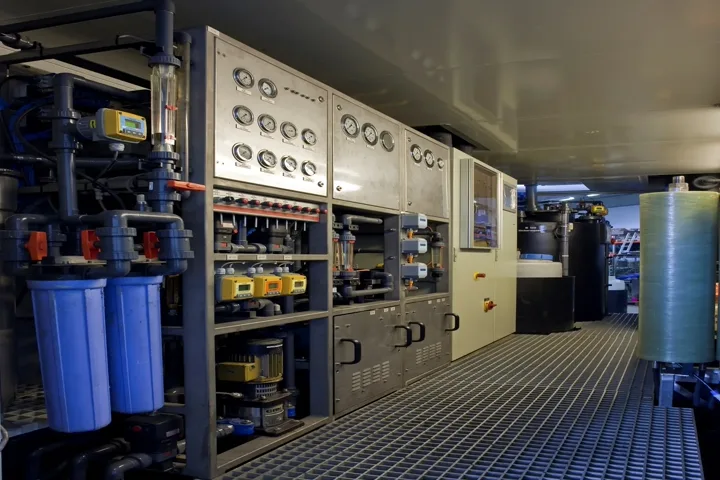
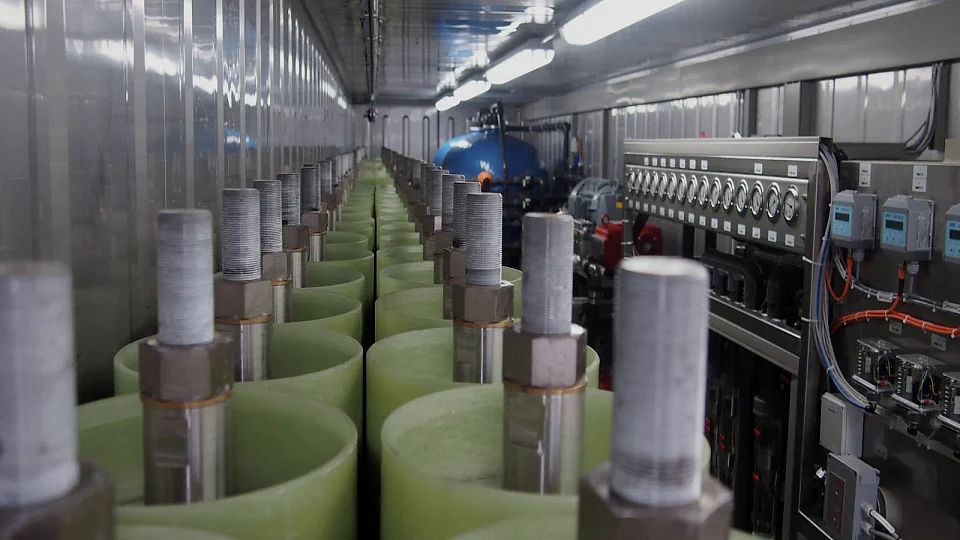
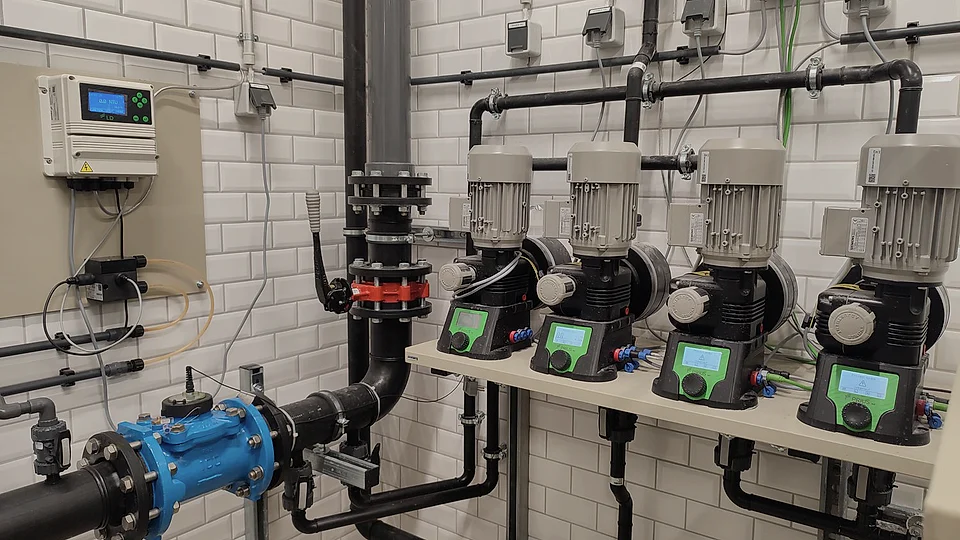
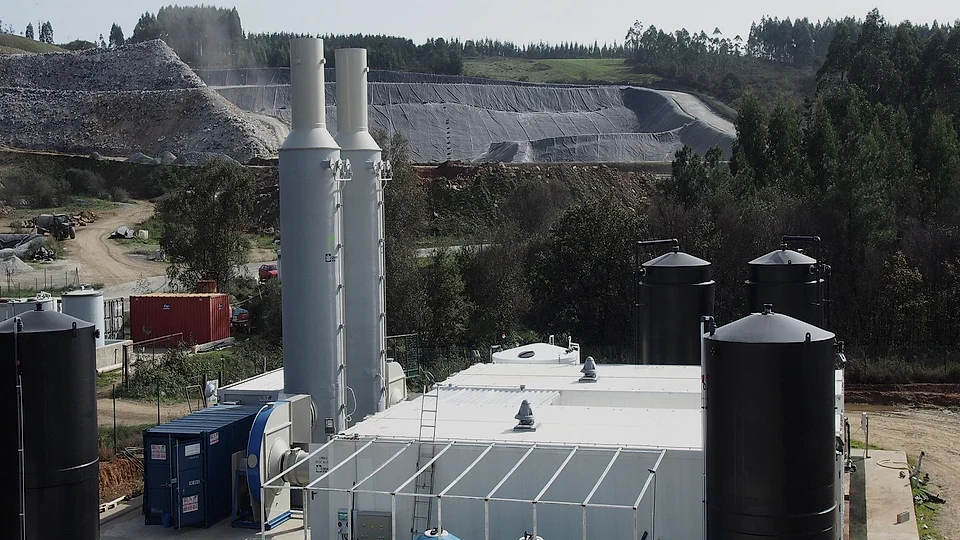
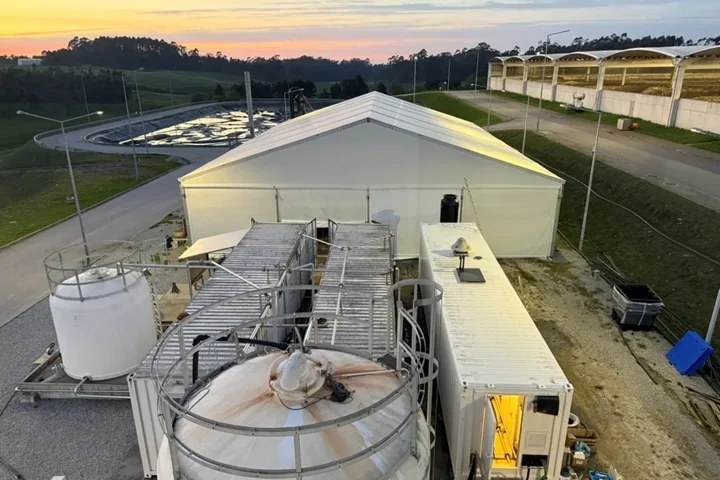
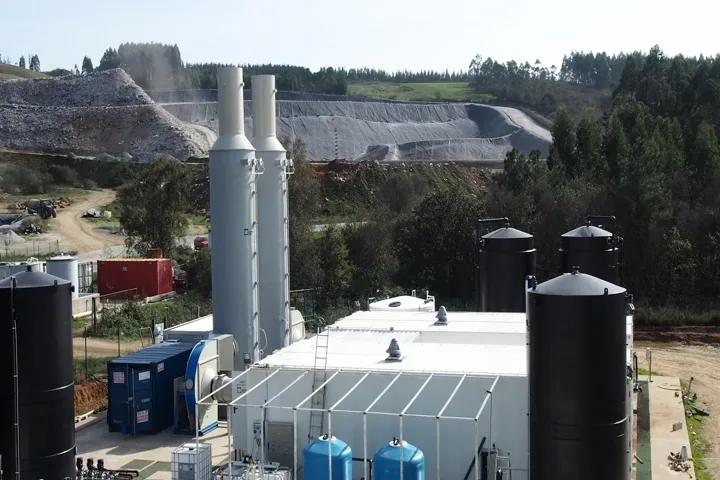
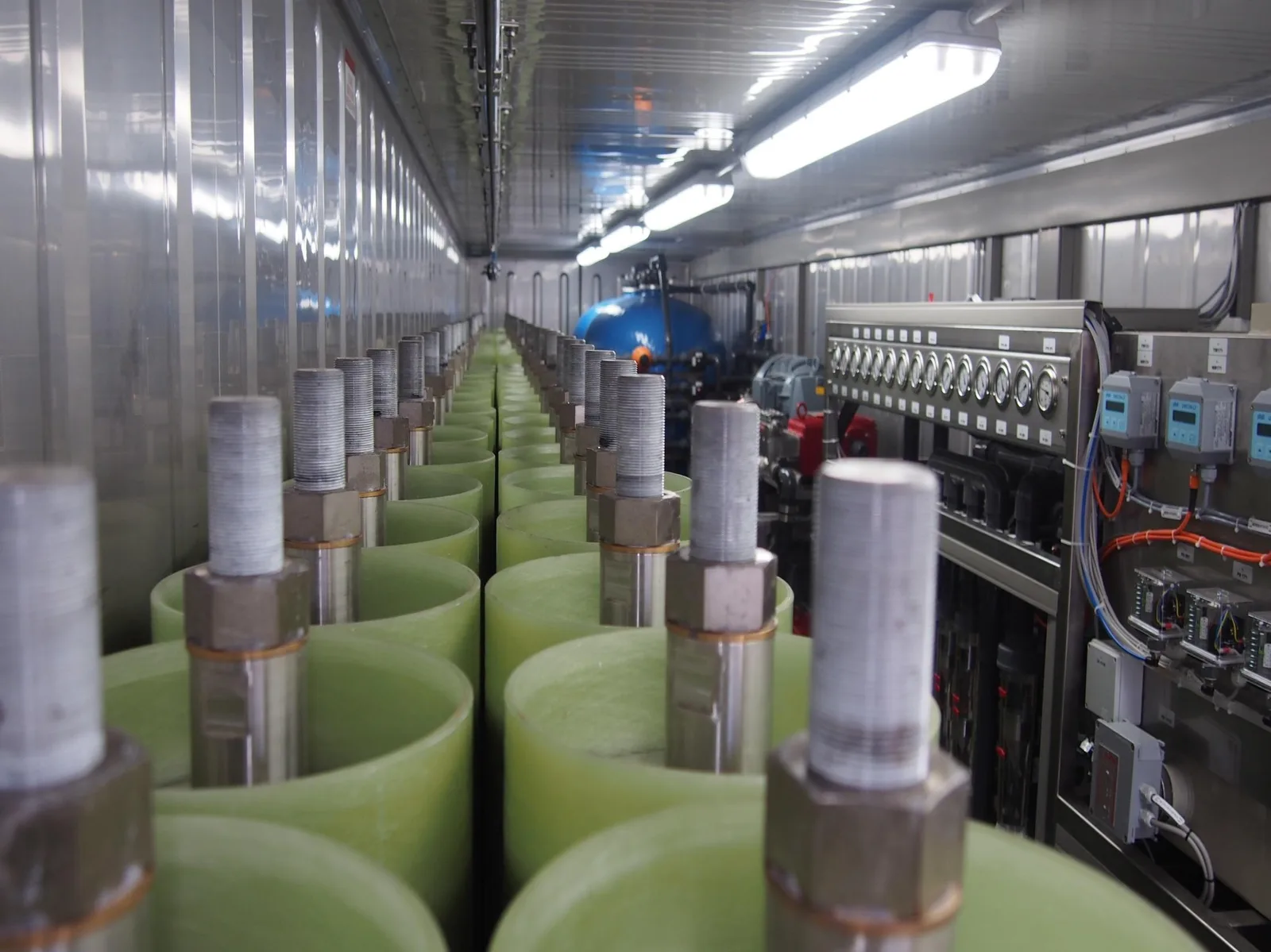
A Rotreat installation for treating landfill leachate is presented on the reference card, which includes photographs of the plant taken for this specific project along with its operating records. Those records are the evidence a planner should request in full, including the date range and the feed conditions under which they were recorded, before drawing any comparison.
The material available to us does not include a long run of operating data for this plant, so the reference cannot show long term stability on its own. Our project information gives a recovery of up to 95 % under suitable conditions. That figure depends on the project and on feed conditions that must be confirmed for your site. It is not a guaranteed value for a different leachate.
How the membrane and process chain is built
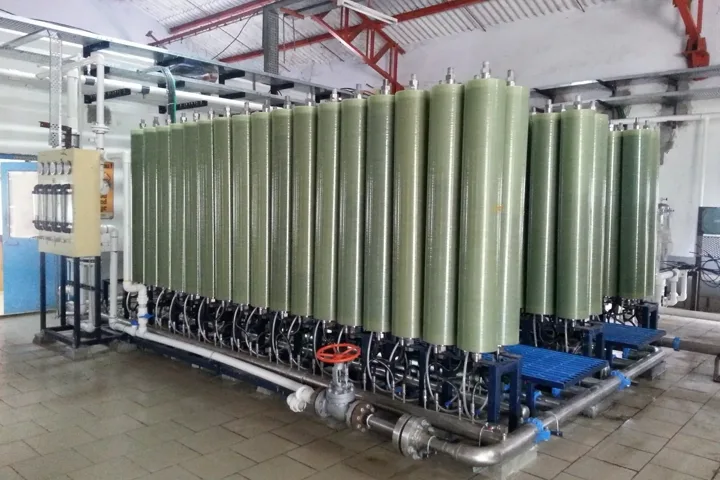
The reverse osmosis stage in this reference uses RCDT modules. Our module documentation describes a disc tube design in which hydraulic discs and tension rods sit inside a pressure vessel. Each membrane cushion consists of two modified polyamide membranes separated by a polyester fleece spacer and joined by ultrasonic welding. The documentation states that production follows ISO 9001.
The documented design features are radial channel flow, cross flow operation, an open channel and low fouling. These describe the module design. They do not prove fouling behaviour at a specific site, and planners should ask for site specific pilot or laboratory results where fouling risk matters for the decision.
The reference card describes the Galicia plant as a multi stage RCDT reverse osmosis installation for landfill leachate, with pre and post treatment around the membrane stages. Before the stage and module arrangement is used in a comparison, it should be confirmed from the project’s process flow sheet. A planner who compares plants by stage count alone, without the process flow sheet, will not compare like with like.
Building a fair comparison for your own site
Many operators assess on site treatment against off site disposal. Our documentation does not contain a cost figure for the Galicia plant, and this article does not provide one. Any saving depends on your own haulage distances, discharge arrangements, energy prices and treatment targets, and none of these are part of the reference.
What the reference can support is the structure of the comparison. On site treatment changes which cost items you carry and which you transfer to a contractor. A planner should build the comparison from the site’s own figures, and use the reference only to check that the technical configuration being costed is realistic.
Use the Galicia reference as one data point among several. Rotreat’s references include a 120 m³ per day plant in Slovenia, a 170 m³ per day plant in Romania and a 35 m³ per day plant in Bosnia and Herzegovina, and each differs in scale.
A set of references of different sizes shows the range of designs, but none of them replaces an assessment of your own leachate. Read each reference with the same discipline you would apply to your own design: capacity, feed, process chain and operation belong together, and a figure separated from the other three is not yet a basis for a decision.
Before you compare, request the feed analysis for the reference plant and set it against your own volume and composition. Confirm the stage configuration and the module count from the process flow sheet, and ask the supplier to walk you through it stage by stage, so that both plants are compared within the same boundaries. Ask for operating records with dates and feed conditions.
Records without dates or feed conditions cannot show how the plant actually performed. Check that the project photographs and records can be used in your own documents, because usage rights for reference material must be confirmed before publication. Finally, plan laboratory testing or a pilot where your leachate differs from the reference feed. Discharge limits and permit conditions depend on your local rules, and this article does not describe them.
Have a water related question? Use Hydreatio Smart Match to find the assessment most relevant to your operation. The result provides directional guidance and does not replace laboratory testing, site inspection or expert assessment.
SourcesTechnical documentation from Rotreat. Anonymised reference projects.