

 ▶
 ▶
Water
Every additional rinse step costs water and wastewater.
Voigtländer · Food & Beverage
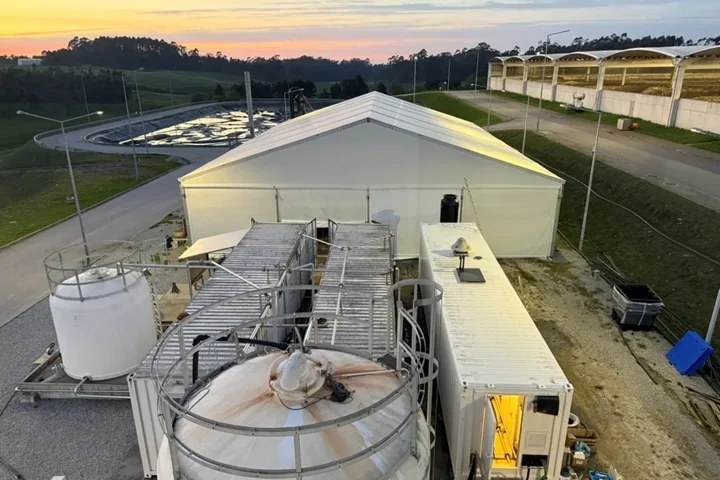
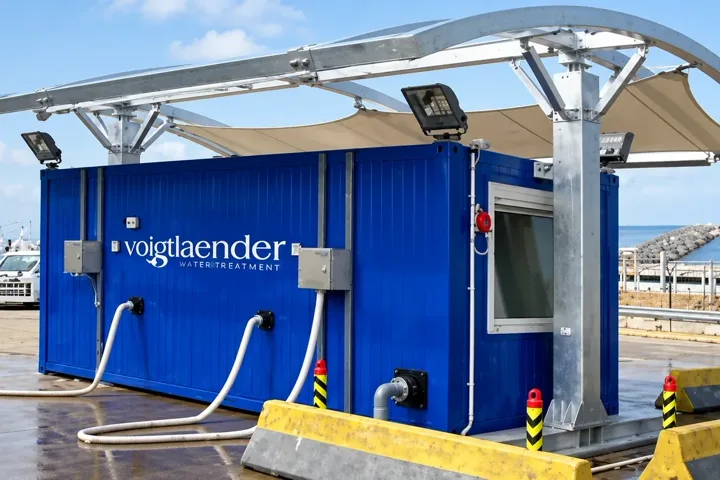
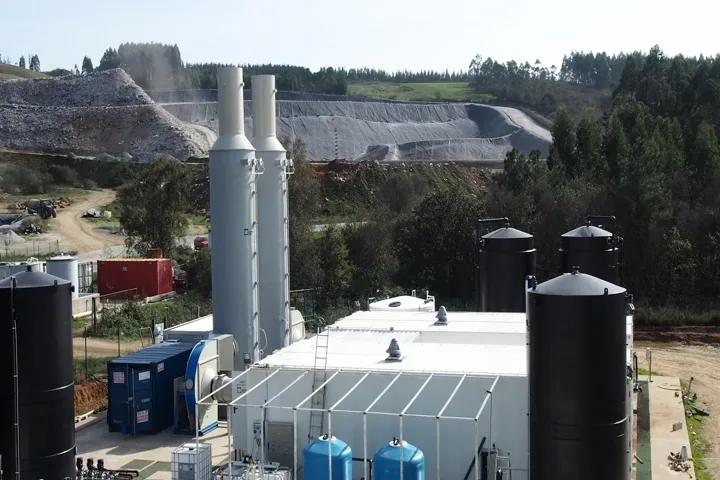
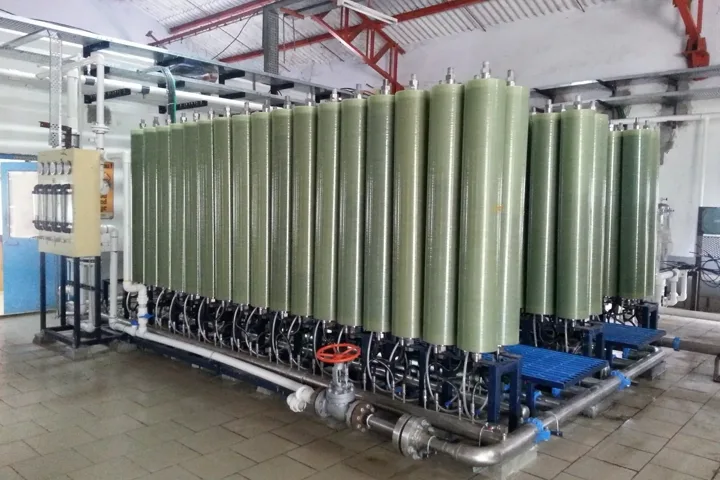
Hydreatio GmbH assesses the existing CIP plant of food and beverage operations under its Voigtländer brand and plans plant hygiene with on-site generated anolyte (hypochlorous acid, HOCl), without chlorine gas logistics. The review is for plant management, production, quality, food safety and CIP managers in mid-sized food and beverage operations who want a documented result that stands up for HACCP and audits. The aim is shorter, validated cycles; savings figures are quoted only after your process data is reviewed.
Buyers and triggers
Buyers: plant management, production, quality, food safety and CIP managers in mid-sized food and beverage operations.
The enquiry is not a good fit if a blanket savings guarantee or a food-law clearance without application-specific evidence is expected. The technology supports controlled hygiene operation; it replaces neither operational responsibility nor validation nor the requirements of the competent authorities.
Sources of loss in the cycle
CIP cycles have often grown up historically: pre-rinse, caustic, acid, intermediate rinses and disinfection run with safety margins that made sense once and were never reassessed. Every additional rinse step costs water and wastewater, every extended contact time costs production time, every manual dosing step costs staff time and introduces variation.
Every additional rinse step costs water and wastewater.
Manual dosing costs staff time and introduces variation.
Every extended contact time costs production time.
A typical CIP cycle: Every step ties up resources, and the largest losses arise in three places. Reduce water consumption per cleaning run: where? Reduce chemical consumption: with what? Shorten cleaning time, without putting the hygiene target at risk? How is the result documented so that it stands up for HACCP and audits?
A hygiene concept that slows the line down will be circumvented in day-to-day operation; a fast cycle without a documented hygiene result will not pass an audit. That is why target organisms, validation requirements, product contact and the process window are considered together, and only then the technology and dosing.
A hygiene concept that slows the line down will be circumvented in day-to-day operation.
Target organisms · validation · product contact · process window: technology and dosing follow only after that.
A fast cycle without a documented hygiene result will not pass an audit.
Review scope
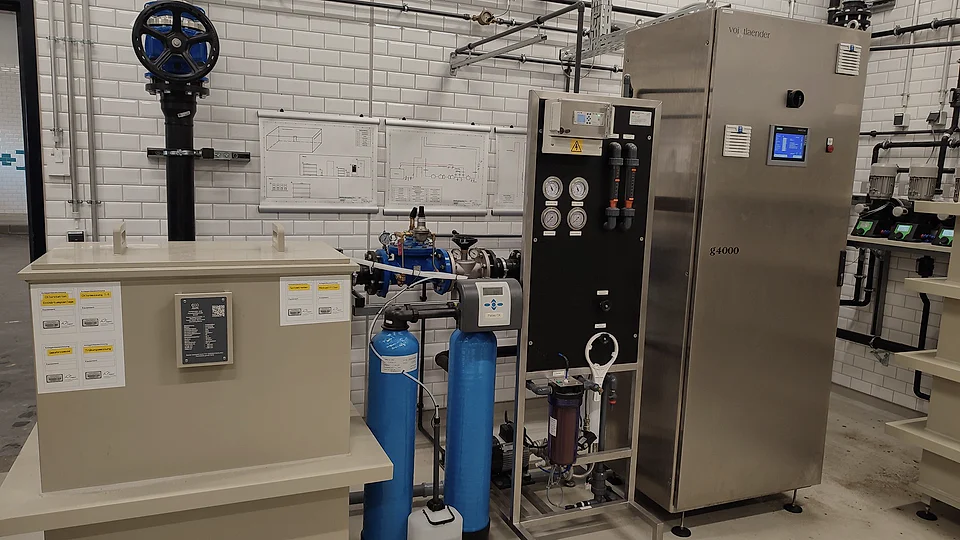
The existing CIP plant remains the starting point. The review covers process steps, times, water, energy and chemical consumption, temperatures, conductivity and rinse criteria, and the measurement and documentation equipment already in place. Anolyte generated on site (hypochlorous acid, HOCl, from water, salt and electricity) can replace or shorten individual chemical and rinse steps wherever the hygiene target and material compatibility allow. This process requires no chlorine gas logistics and no hazardous-substance storage.
The sequence and duration of every cleaning run are recorded in order to make safety margins and unused time windows visible.
Consumption per cycle forms the basis for every later, site-specific savings calculation.
Control and cut-off criteria show where hot or additional steps can be replaced or shortened.
The sensors and record-keeping routes already in place determine how the result can be evidenced for HACCP and audits.
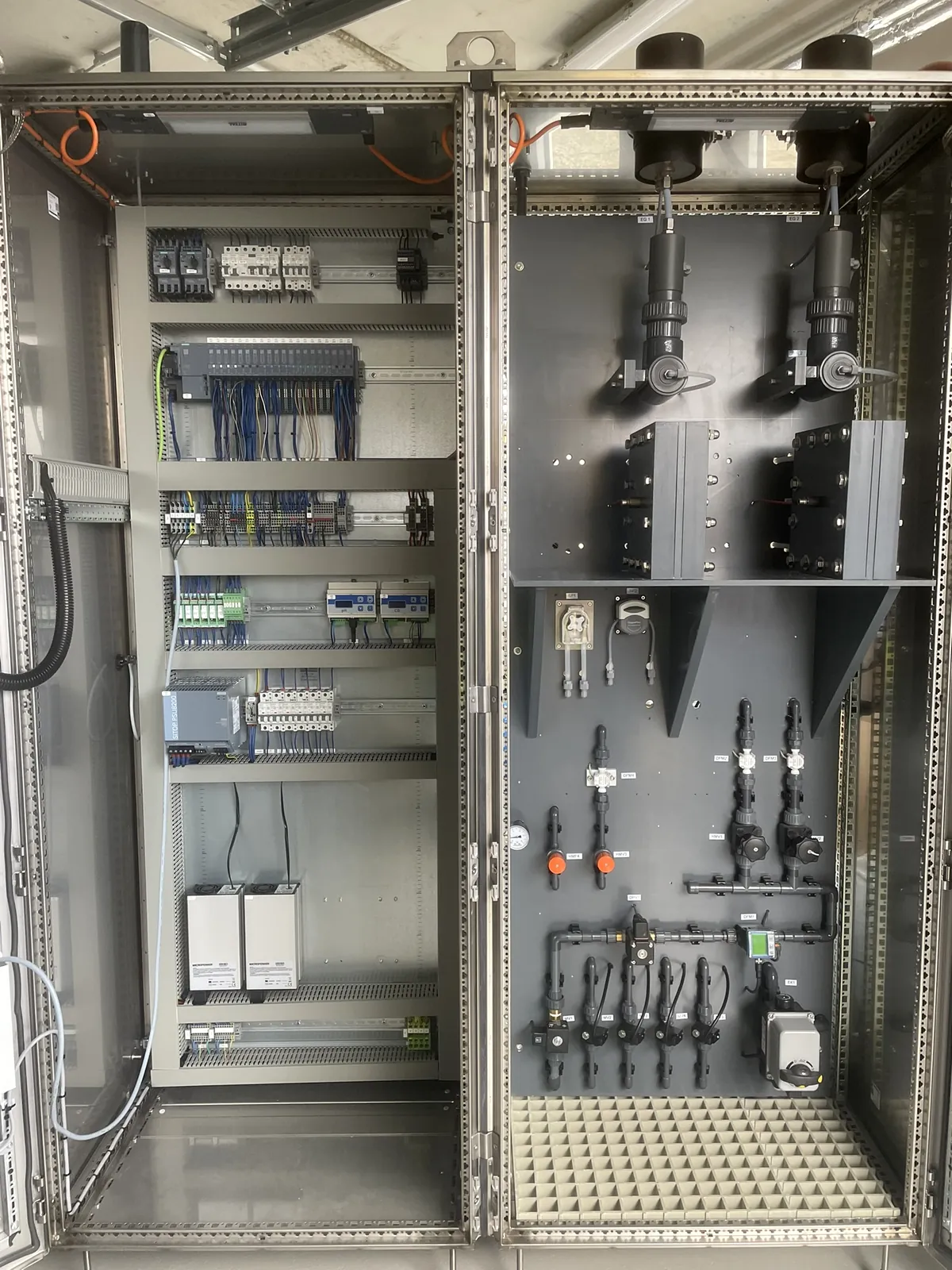
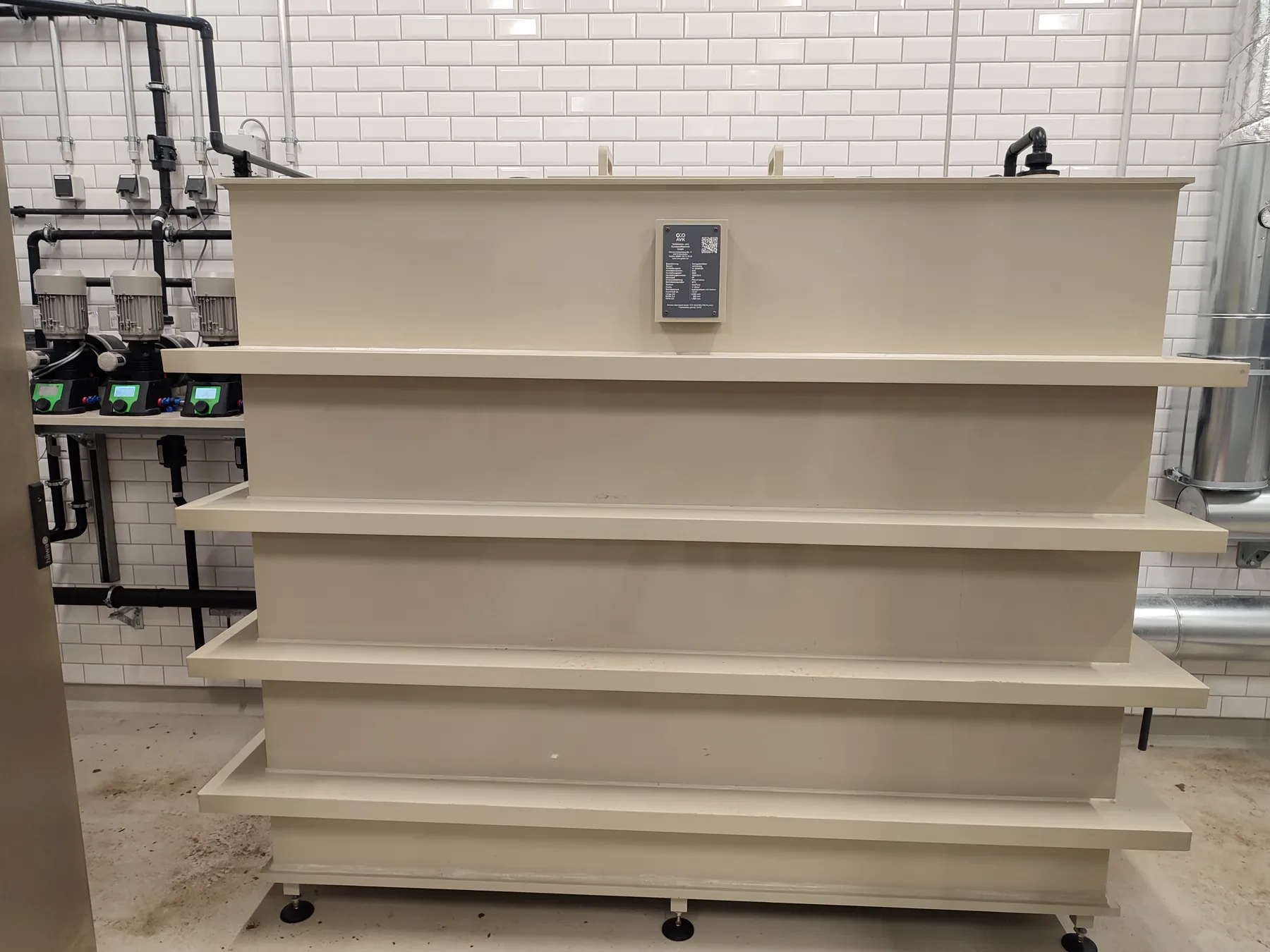
The review results in a concept covering generation, dosing and measuring points, the expected effect at each process step and the validation route. Every expected saving is derived from your own process data, not transferred from someone else's project.
The process at a glance
Inlet and water meter, brine tank, the three-chamber generator, anolyte tank, demand-led dosing, measurement and control: seven stages in 34 seconds. Press "Show me the process" to start the animated 3D diagram.
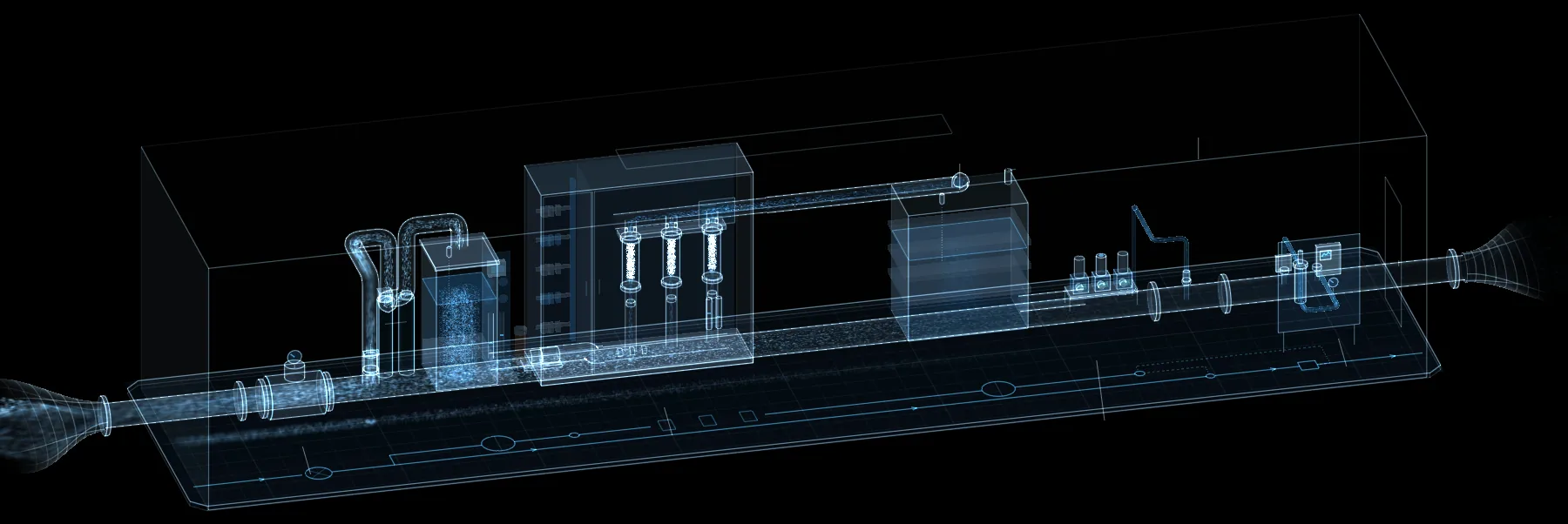
Modelled from the Voigtländer plant schematic of an anolyte system, in the drawing language of the home page. The cards show documented facts only, no invented figures.
Reference · project-specific
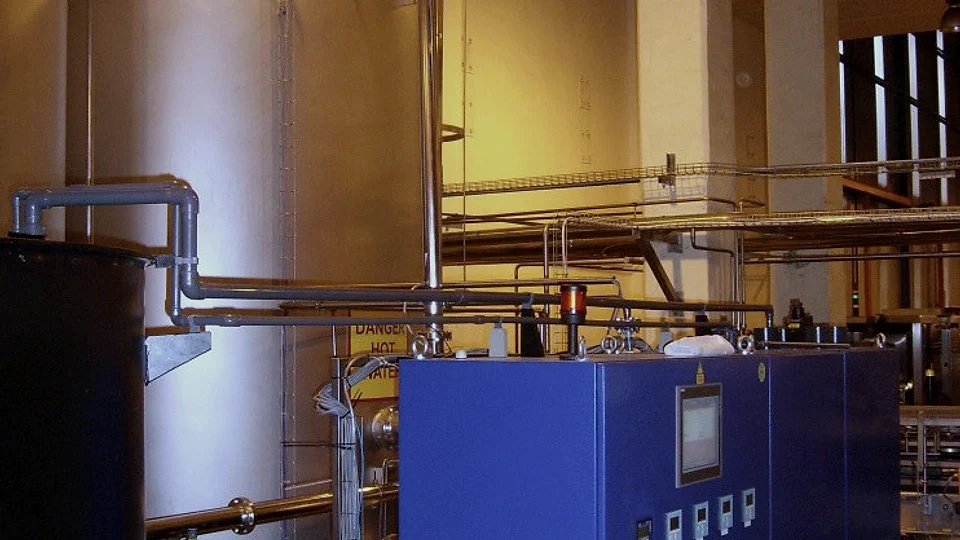
At a soft-drink operation, the Voigtländer food and beverage catalogue describes the following for the CIP application described there, as one connected result of that single plant:
These figures are site-dependent and apply only together, as the result of this application. They are not a forecast for any other operation.
Project savings do not automatically transfer to other CIP processes. Recipe, soiling, plant design, water quality and validation requirements all differ. That is why every concept begins with your own process data and ends with an application-specific validation.
Questions before the first call
That is possible depending on the plant and is decided in a controlled trial. According to Voigtländer documents, in one dairy application the microbiological effect of anolyte (HOCl) at the concentration tested there matched the peracetic acid used before, and cold disinfection additionally saved energy cost. That is an application result, not a promise for other plants; acceptance criteria and validation decide at your site.
Hydreatio GmbH reviews and plans plant hygiene under its Voigtländer brand. It starts with the existing plant: process steps, times, water, energy and chemical consumption. The result is a concept with generation, dosing and measuring points, the expected effect per step and the validation route. Every expected saving comes from your own process data. The technology replaces neither operational responsibility nor validation nor the requirements of the competent authorities.
First the cleaning result is defined, then time, temperature, chemistry and mechanical action are set to achieve it. Anolyte generated on site can replace or shorten individual chemical and rinse steps wherever the hygiene target and material compatibility allow. What shortening is possible at your plant is shown by your own process data and by validation.
A CIP process is evidenced by three separate tasks. Validation checks before release, using a trial plan, process data and a result check, whether the process achieves the hygiene goal. Routine monitoring checks each cycle against the approved window. Verification checks over time whether the system keeps working, confirming the process or triggering reassessment. An auditable record connects recipe version, plant state, batch, process curve, deviation and release decision.
Where water touches the food, is used as an ingredient or cleans product-contact surfaces, drinking water is generally required. It must meet the minimum requirements of the TrinkwV (German Drinking Water Ordinance). Whether process water holds that standard is a matter of controlled, monitored hygiene, not a one-off treatment.
Last reviewed: October 2026
Voigtländer in other sectors
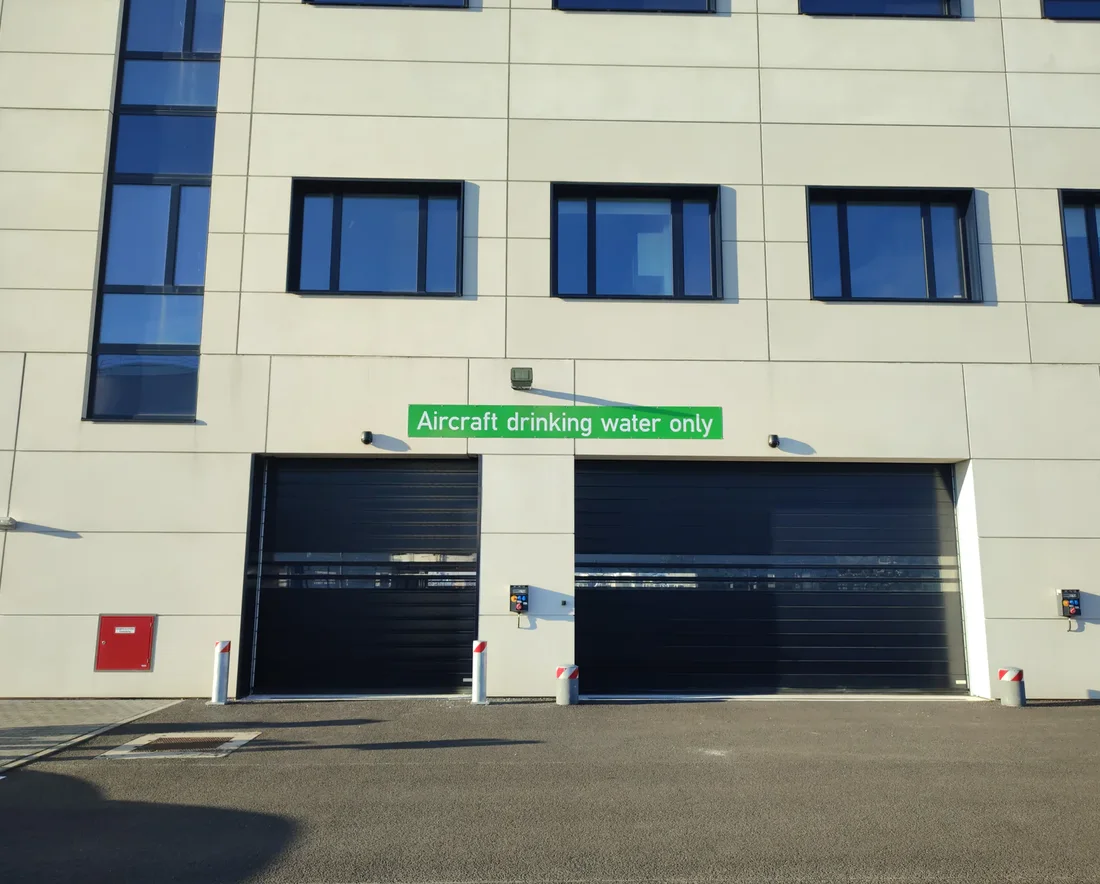
Aviation
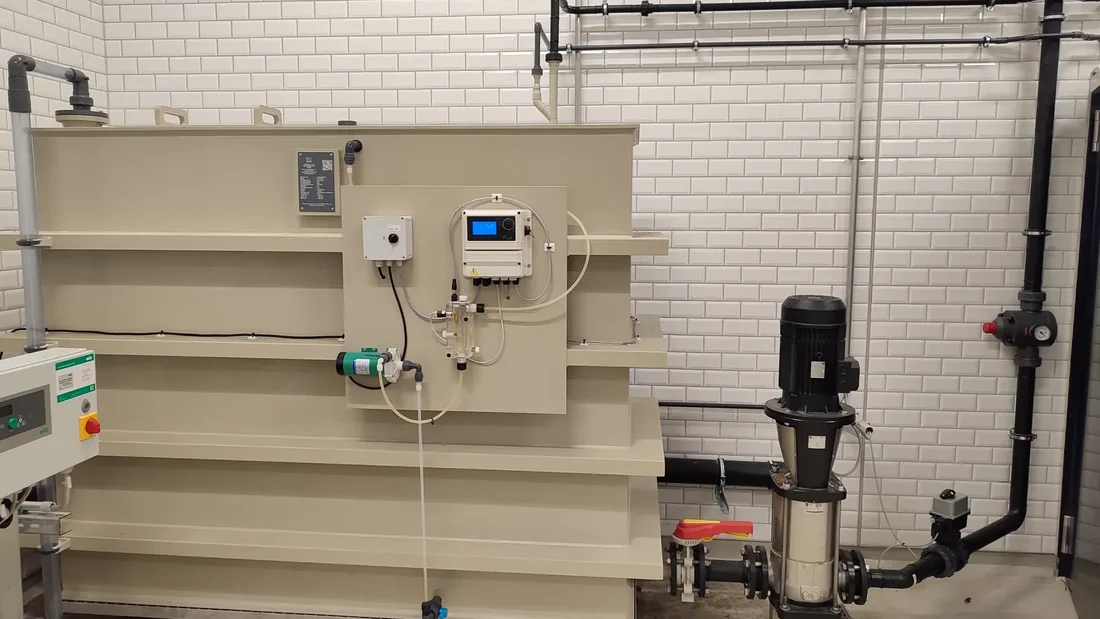
Buildings
Cooling systems
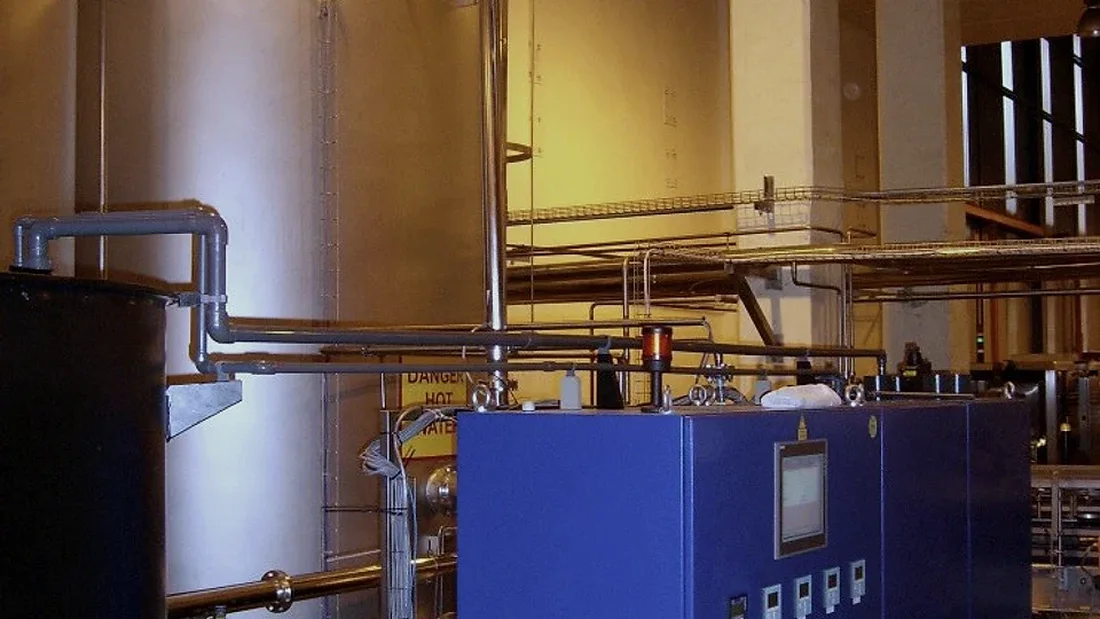
Food and beverage
Further applications
Every entry is a Voigtländer application. Results are project-specific and are not a forecast for another site.
Next step
Helpful for the review are: process steps and times per cleaning run, water, energy and chemical consumption (an estimate is fine), target organisms and validation requirements.
Missing data does not prevent a first conversation.
Briefly describe your operation, the process and what prompted the enquiry. A few details are enough for a first contact.
Your enquiry will be assessed by a specialist. Savings figures are only quoted once your process data has been reviewed.
The cost calculator works with your own volumes and costs, not with someone else's project figures.
White paper: assessing water, chemicals, time and hygiene risk together.
How food plants can lower chemical use in CIP by tuning dose, contact time and verification together, so cleaning results stay proven and reproducible.
It is not the source of the water that matters, but its role in the process.
Generation on site, controlled dosing and a cleaning sequence in soft drink production.
Voigtländer application for process water and cleaning in dairy processing.
In a few questions, Smart Match places your situation in context and shows the most sensible next assessment step for your water system.
Prefer a conversation to a form? We will put your situation in context and name the next assessment step.
Get in touch ›Already have analysis values? Send them to us: we will review them and come back with a first assessment.
Send analysis ›CIP and process hygieneThe entry point is a CIP review.
Request a CIP reviewHydreatio assistant AI
AI assistant. It can make mistakes, and its answers are not a diagnosis of your plant. For anything further, please use our contact page. Privacy