
 ▶
 ▶
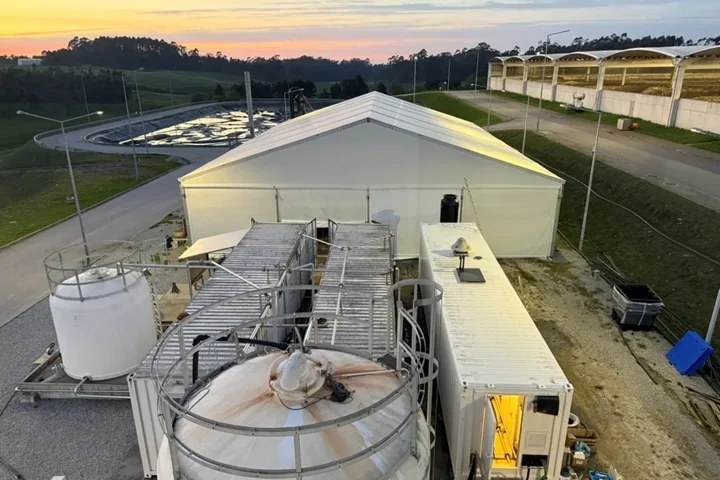
Landfill leachate
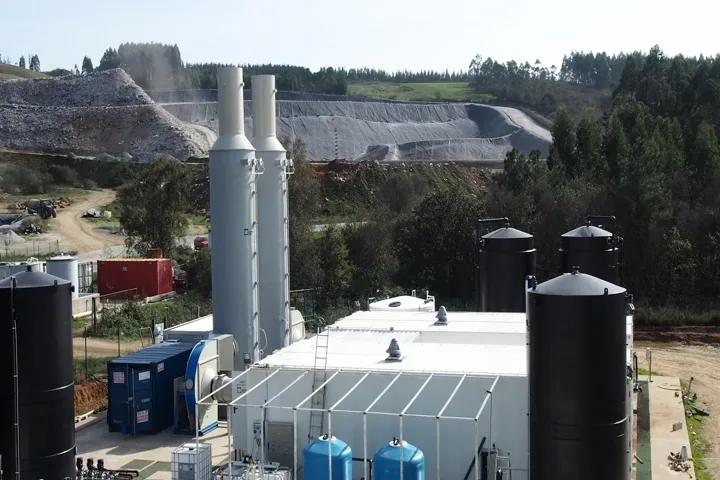
Heavily contaminated, variable leachate treated by staged RCDT reverse osmosis, with water analysis and pilot testing first.
Rotreat · Technology
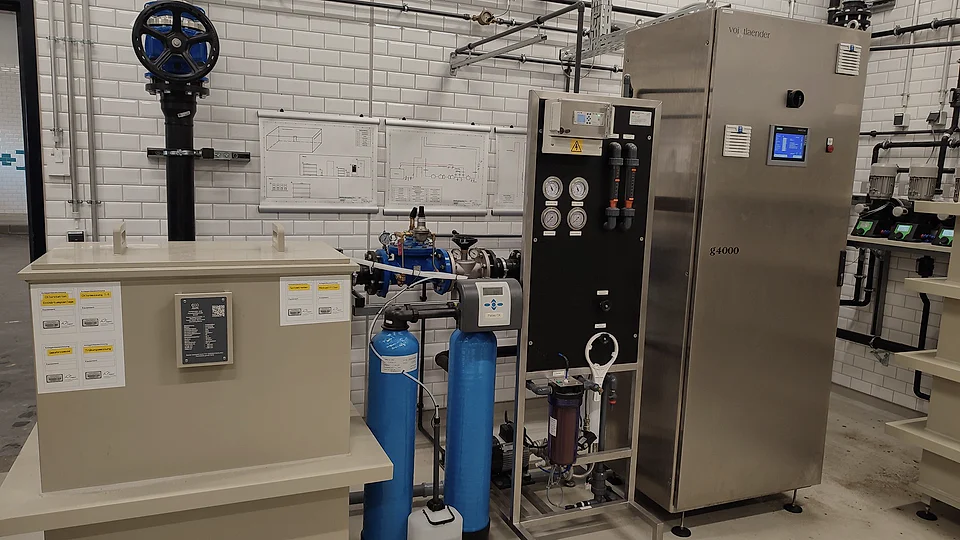
Rotreat engineers RCDT, Radial Channel Disc Tube reverse osmosis, for heavily contaminated, variable water streams that standard membrane elements cannot hold. This page explains the technology; the application pages show what it does for each water stream.
The membrane technology
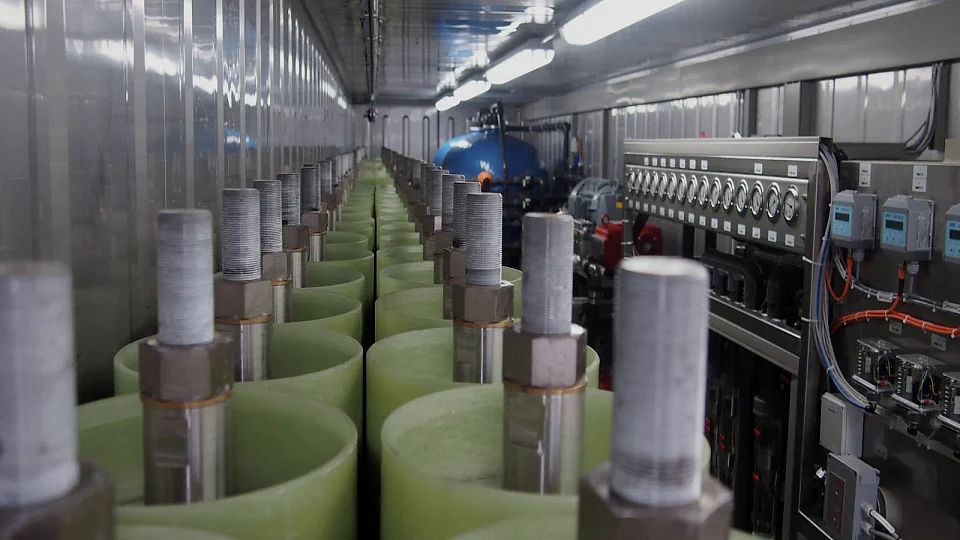
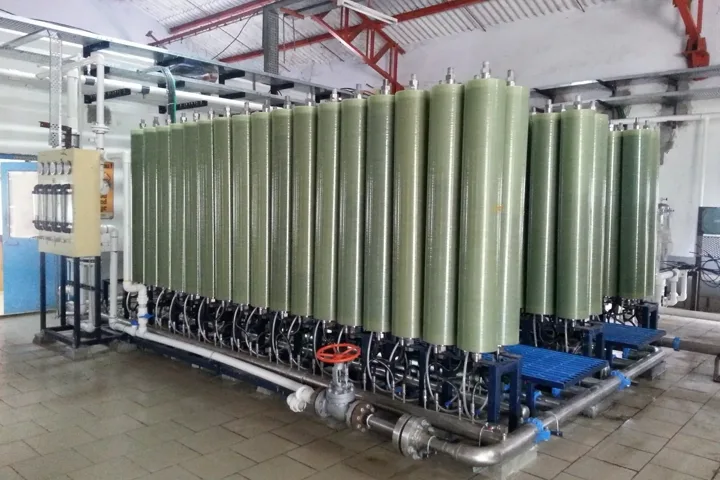
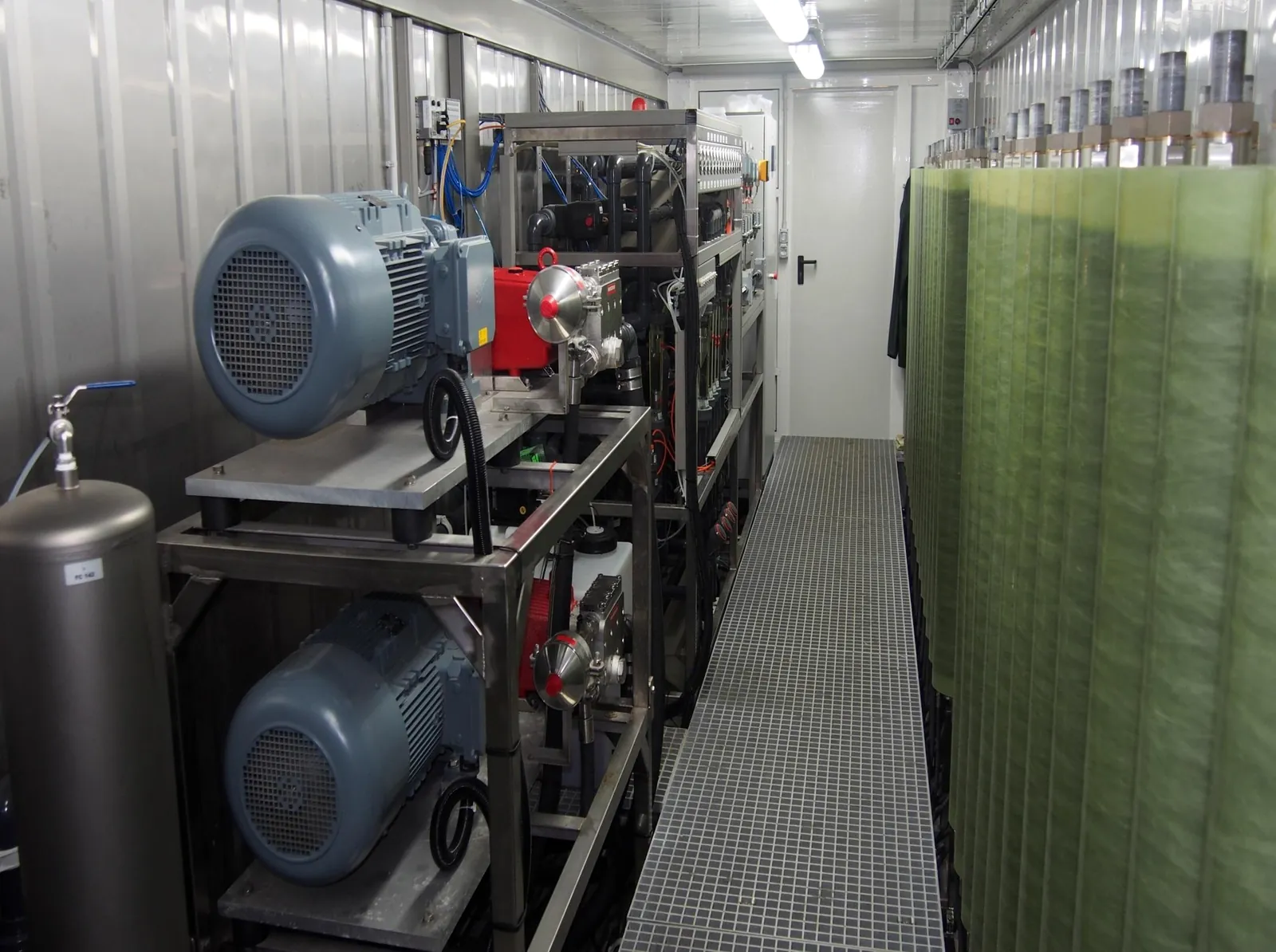
The RCDT technology (Radial Channel Disc Tube) carries the water through open radial flow channels at a high cross-flow velocity. This reduces deposits and fouling and makes the membrane more robust against variable, heavily contaminated influents that would quickly reach the fouling limits of a standard membrane element.
It operates in staged high-pressure concentration, roughly 90 to 160 bar, matched to the recovery target and the concentrate path. Design is based on water analysis first, not a catalogue data sheet, because the influent is rarely stable: conductivity, CSB (chemical oxygen demand), ammonium and trace substances fluctuate.
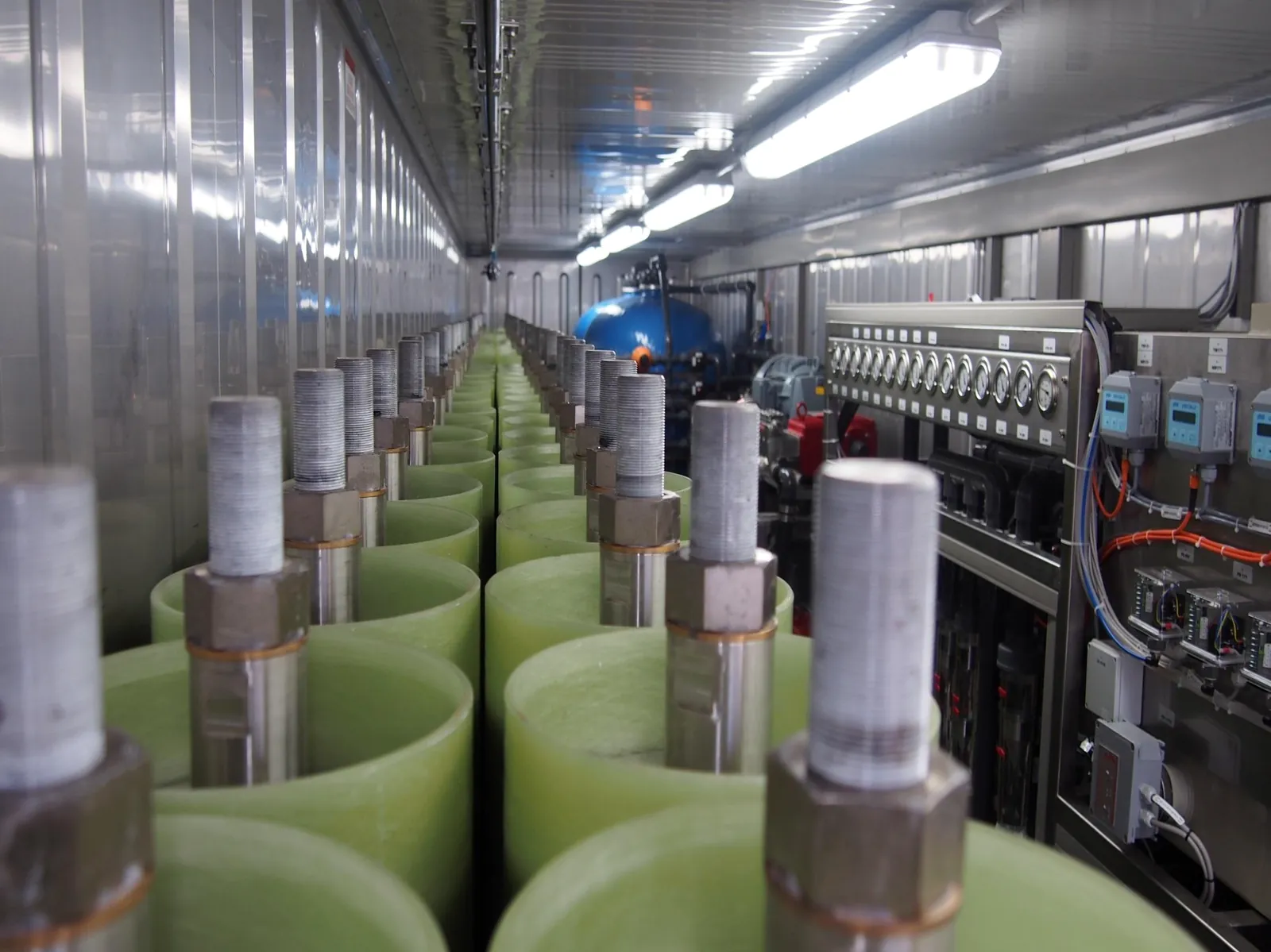
RCDT 3.0 · the process
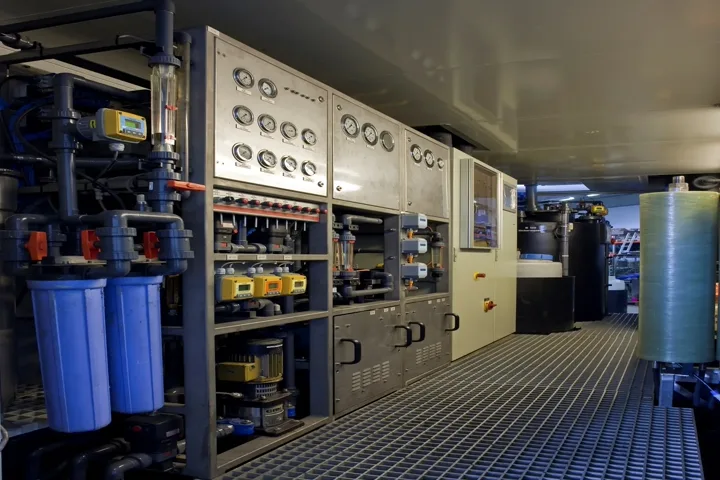
Feed and conditioning, filtration, high pressure, the RCDT stages, concentrate and post-treatment: one plant, one container.
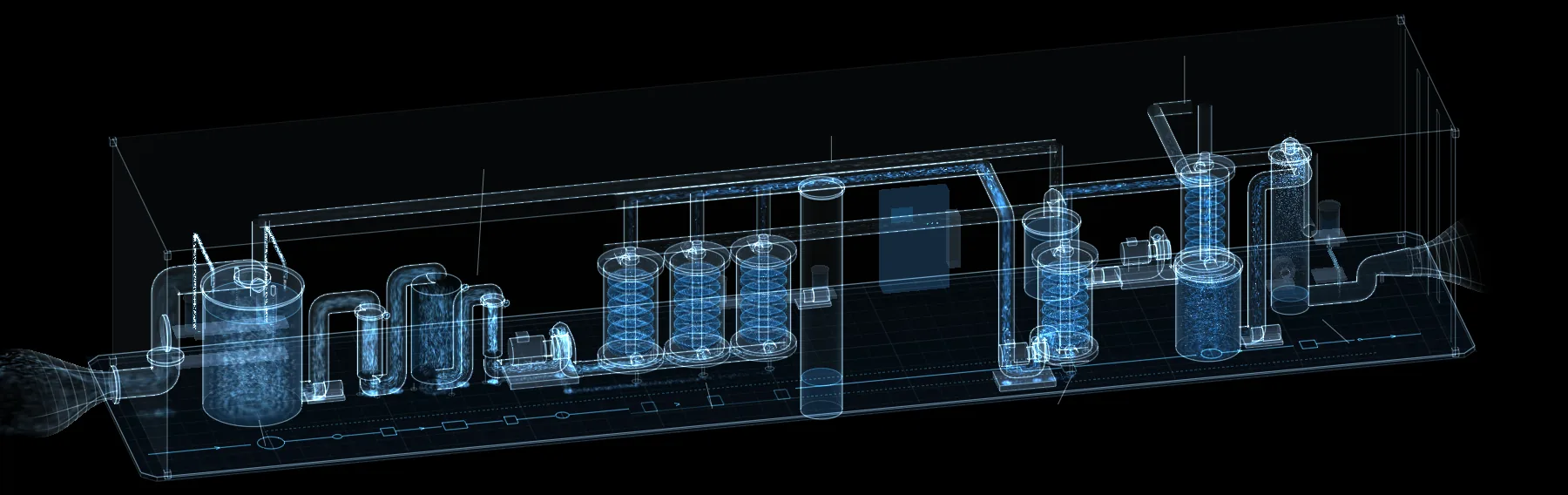
Modelled from the Rotreat RCDT 3.0 plant (brochure 2024), in the drawing language of the home page. The cards show documented facts only, no invented figures.
System overview
Influent, pre-treatment and staged RCDT high-pressure stages, from contaminated water to permeate and concentrated concentrate.
Application
The central objection, answered honestly: reverse osmosis separates substances and produces concentrate, which needs a dependable route. AbwV Annex 51 (German Wastewater Ordinance, Annex 51) is a relevant assessment framework, but not an automatic assurance of a permit.
Where it is used
RCDT reverse osmosis is engineered for water streams where standard treatment struggles: high conductivity, high CSB, ammonium and PFAS. Where the influent varies too widely or the loads are biologically driven rather than membrane-limited, Rotreat also builds MBR (membrane bioreactor) systems.
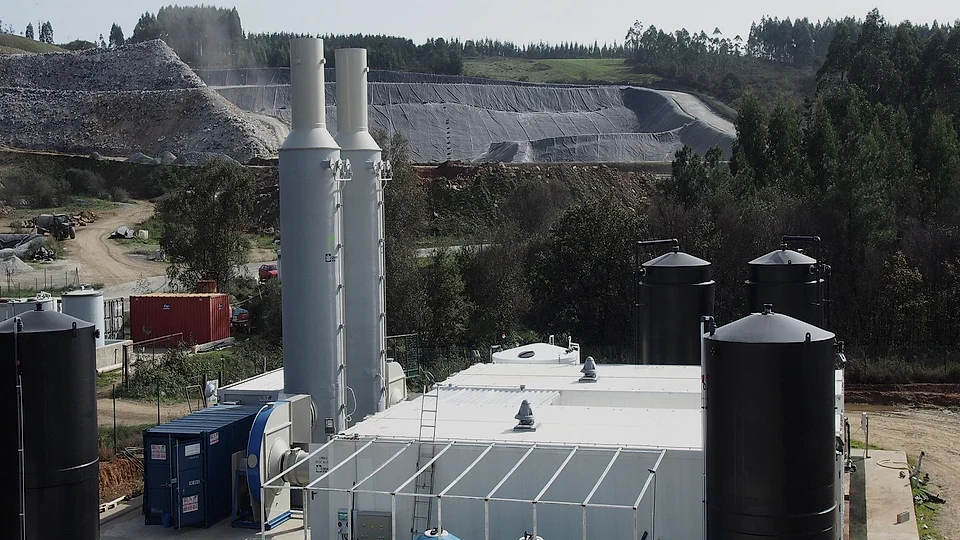
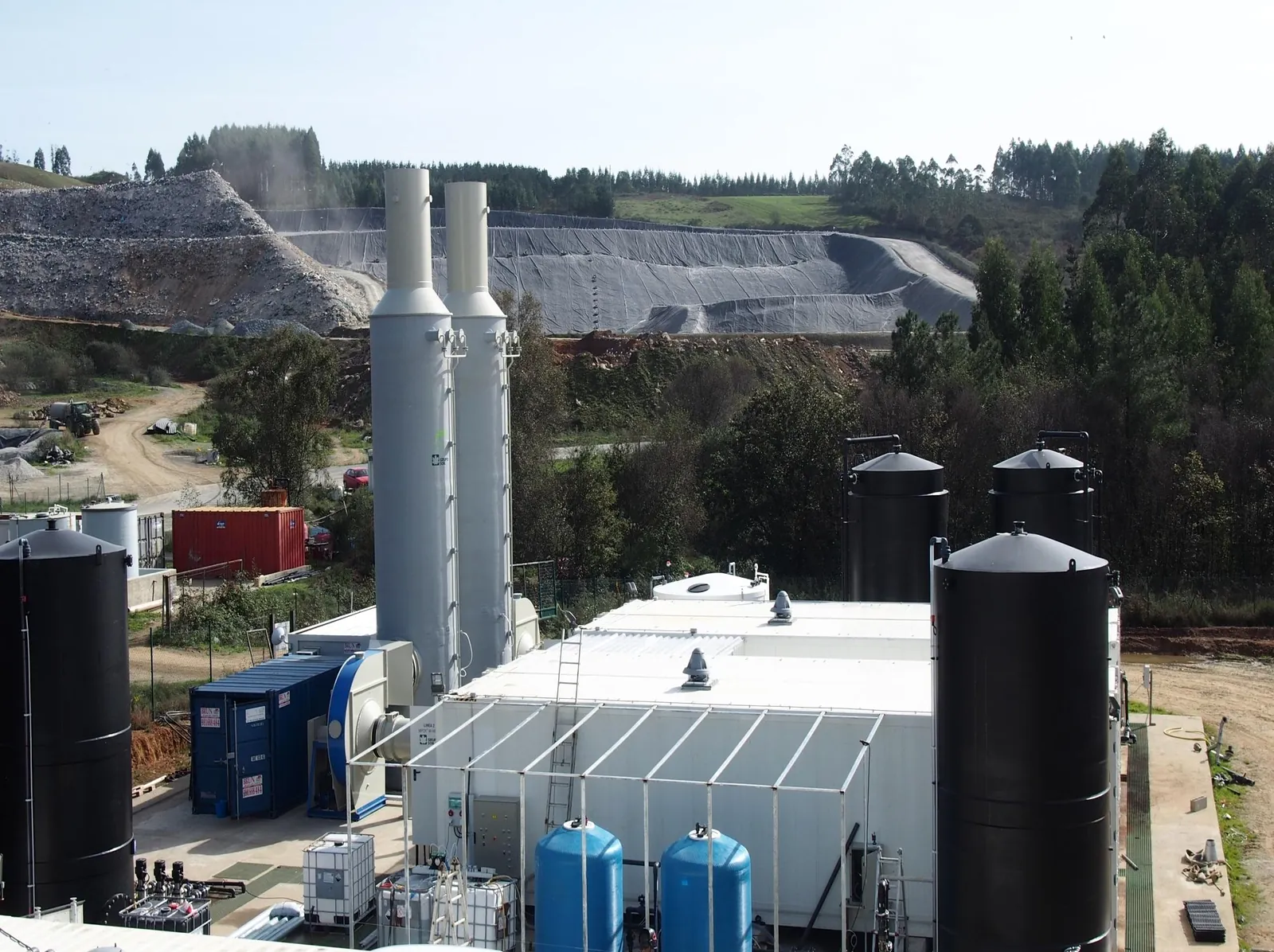
Heavily contaminated, variable leachate treated by staged RCDT reverse osmosis, with water analysis and pilot testing first.
Reverse osmosis can separate PFAS from the water stream and concentrate them in the concentrate. It does not destroy PFAS; retention, recovery and the concentrate path belong in a joint assessment.
Where variable rain runoff and biologically driven loads are the issue, Rotreat MBR treatment applies instead of, or alongside, RCDT.
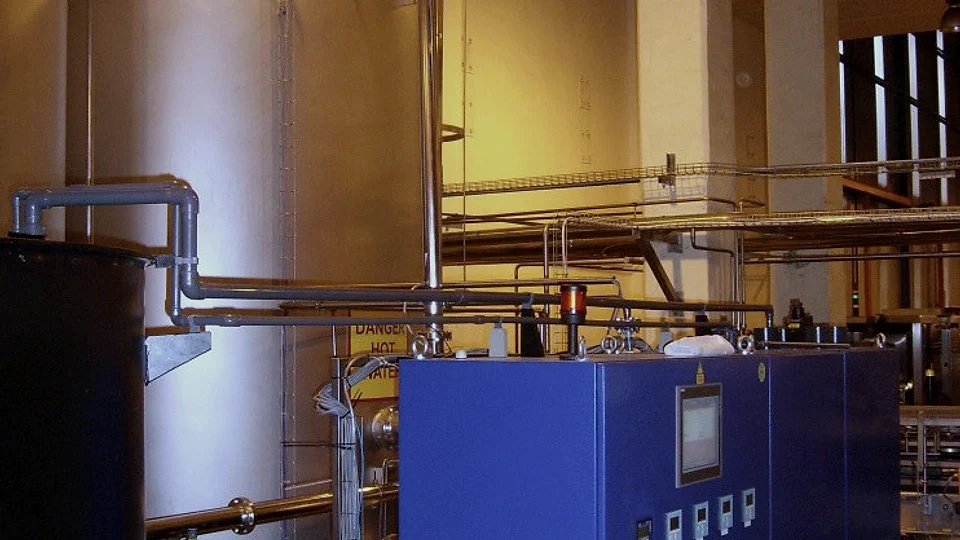
A Rotreat MBR plant treats polluted rain run-off at a waste management site: 380 m³/day, commissioned July 2019, with limit values met since.
Rotreat · membrane exchange
Vessel off, used stack out, the packaged Easy Click module tilted upright and lowered onto the tie rod, vessel on: exchanged by the operator's own workforce, without special tools, compatible with all disc tube modules.
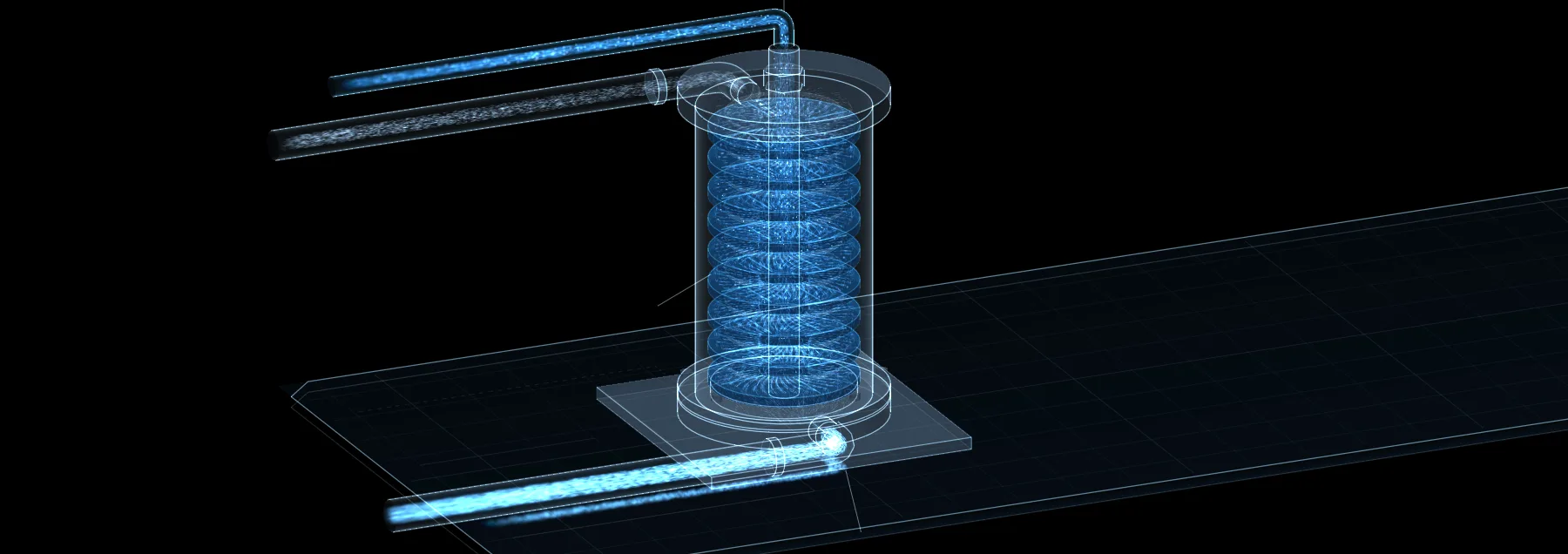
Modelled from the Rotreat Easy Click module exchange (brochure 2024, presentation 2024), in the drawing language of the home page. The cards show documented facts only, no invented figures.
Rental & emergency plants
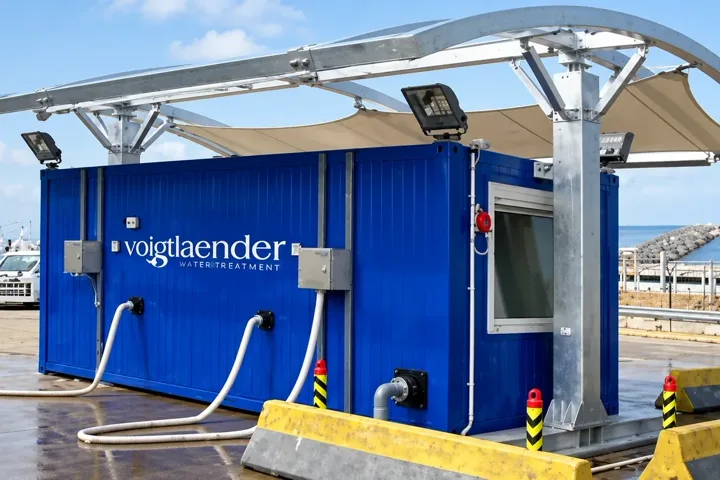
Rotreat RCDT container systems cover temporary capacity and urgent operating needs without waiting for a fixed installation.
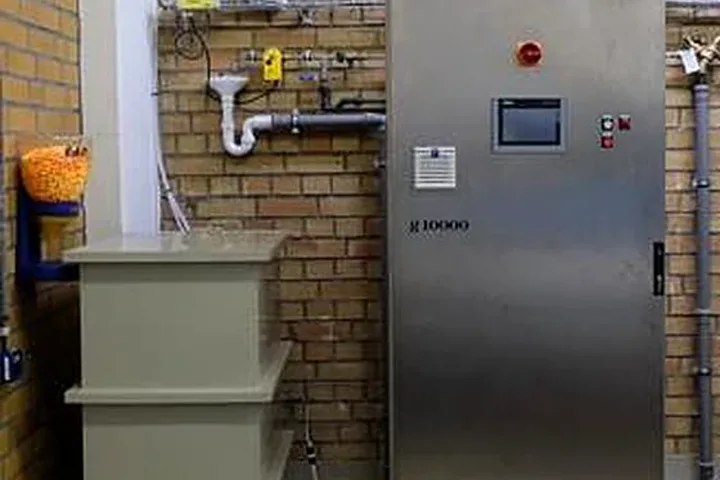
A containerised system for temporary capacity and changing operating needs: 130 m³/day.
A mobile RCDT system configured for urgent temporary treatment: 150 m³/day, with a 2-day installation time.
Rotreat in other applications
Landfill leachate
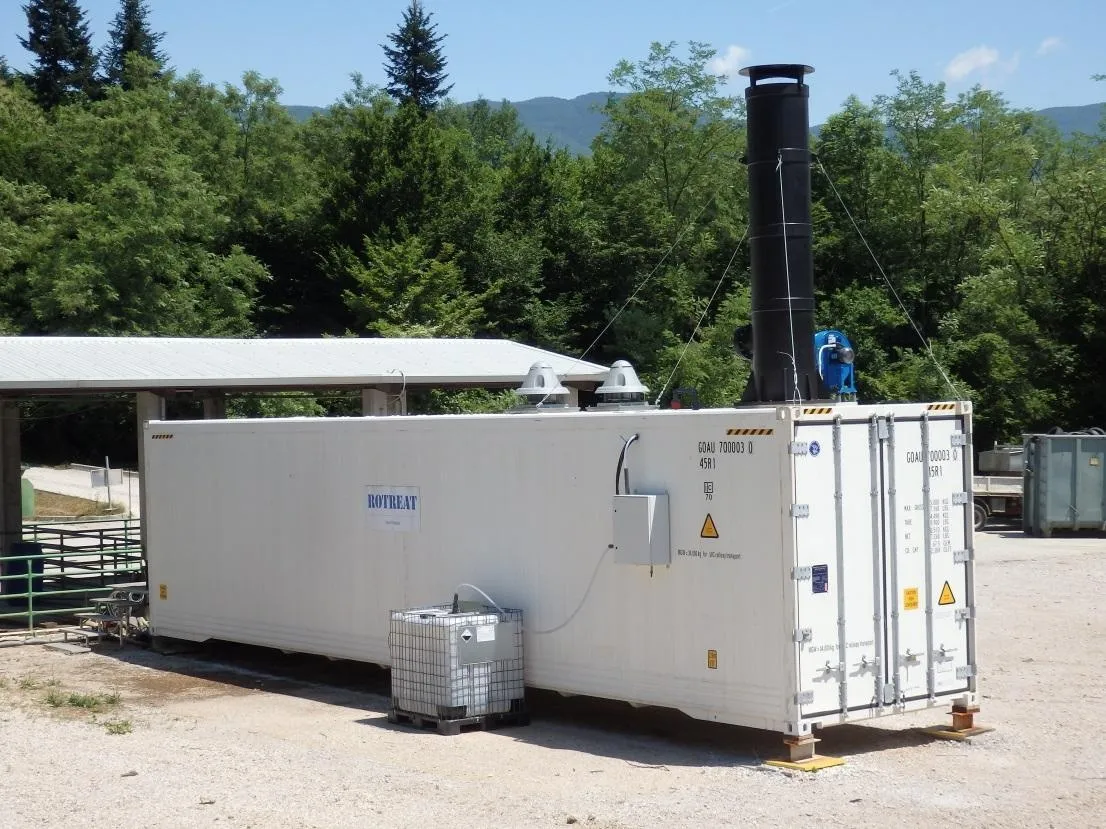
Rental & emergency
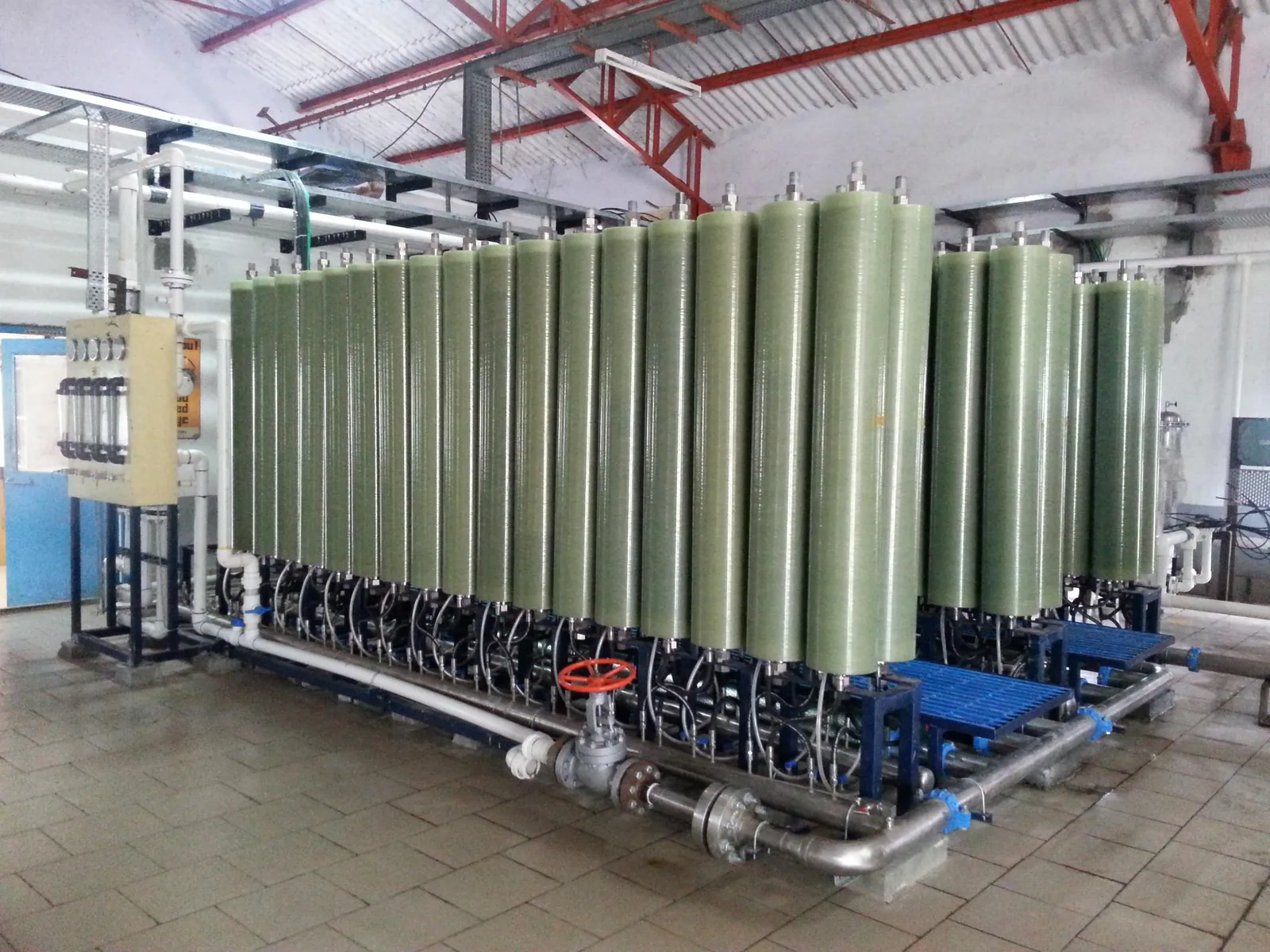
Pharmaceutical wastewater
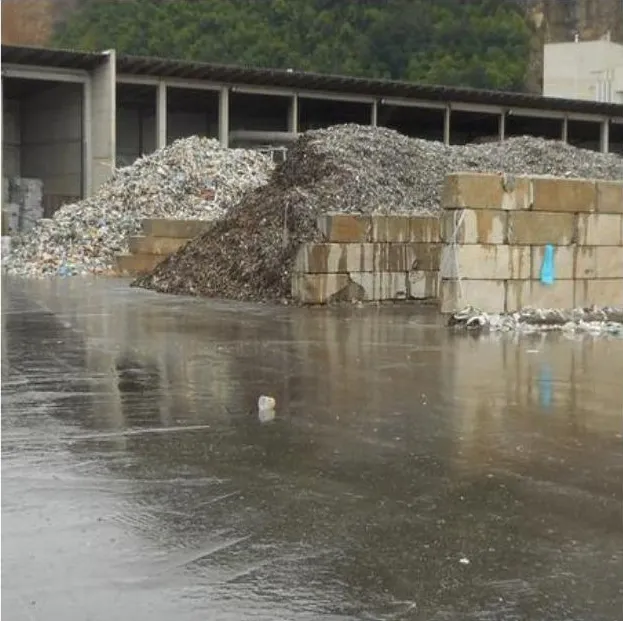
MBR
Every entry is a Rotreat plant. Results are project-specific and are not a forecast for another site.
Next step
The entry point is a paid feasibility study or pilot testing based on your water analysis. Influent values (conductivity, CSB, ammonium), flow rate, the required discharge value and the permitting status are helpful. We clarify any missing values together.
Briefly describe your site, the influent and the trigger. Send us your current water analysis if you have one, otherwise a few details are enough.
Your enquiry is assessed by specialists. Recovery and discharge values are not promised across the board; influent, pre-treatment and the concentrate path remain visible.
RCDT reverse osmosis for contaminated leachate, from water analysis to pilot testing.
Galicia, Slovenia and Caras with project-specific measured values.
Containerised RCDT capacity for temporary and urgent needs.
A few questions lead to the right investigation route for your water stream.
In a few questions, Smart Match places your situation and shows the most sensible next assessment step for your water system.
Prefer a conversation to a form? We place your situation technically and name the next assessment step.
Get in touch ›Already have analysis values? Send them to us: we will review them and come back with a first assessment.
Send analysis ›RotreatRCDT reverse osmosis for difficult water.
Ask about your water streamHydreatio assistant AI
AI assistant. It can make mistakes, and its answers are not a diagnosis of your plant. For anything further, please use our contact page. Privacy