 ▶
 ▶
Problem
A large canned-food producer needed to replace an outdated chlorination system that caused damage and operational constraints, while maintaining effective disinfection.
Voigtländer · Case study
Process water hygiene in food production
3 autoclavesAutoclaves serviced
At a glance
Source: Voigtländer case study.
The application
Controlled Anolyte dosing replaces an older chlorination setup for mains water and autoclave operation.
A large canned-food producer needed to replace an outdated chlorination system that caused damage and operational constraints, while maintaining effective disinfection.
Voigtländer provided a non-toxic, non-corrosive sterilisation system. Mains water is disinfected with Anolyte at 0.6 ppm, controlled by a decentralised hub, with automatic data forwarding for audits.
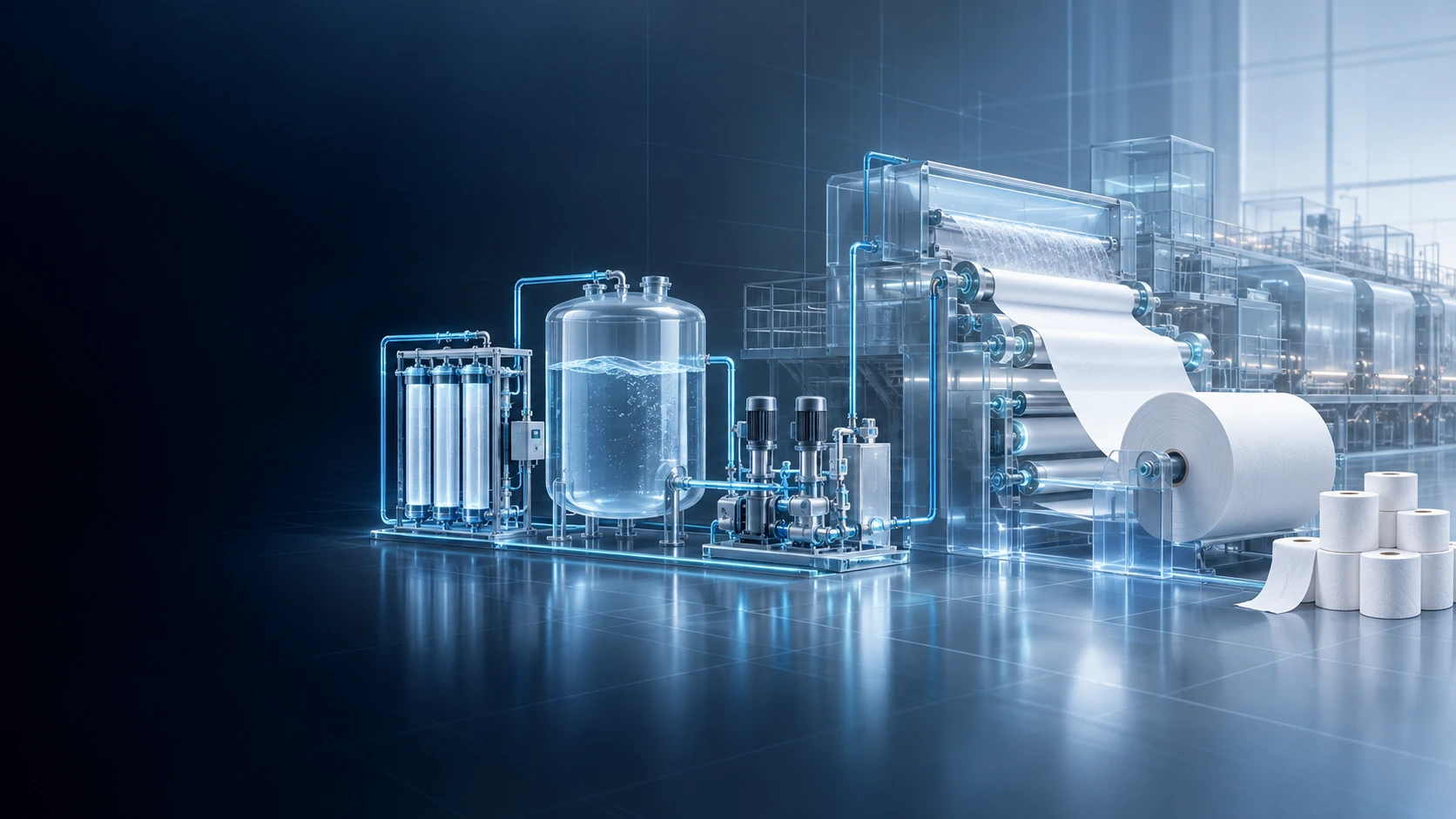
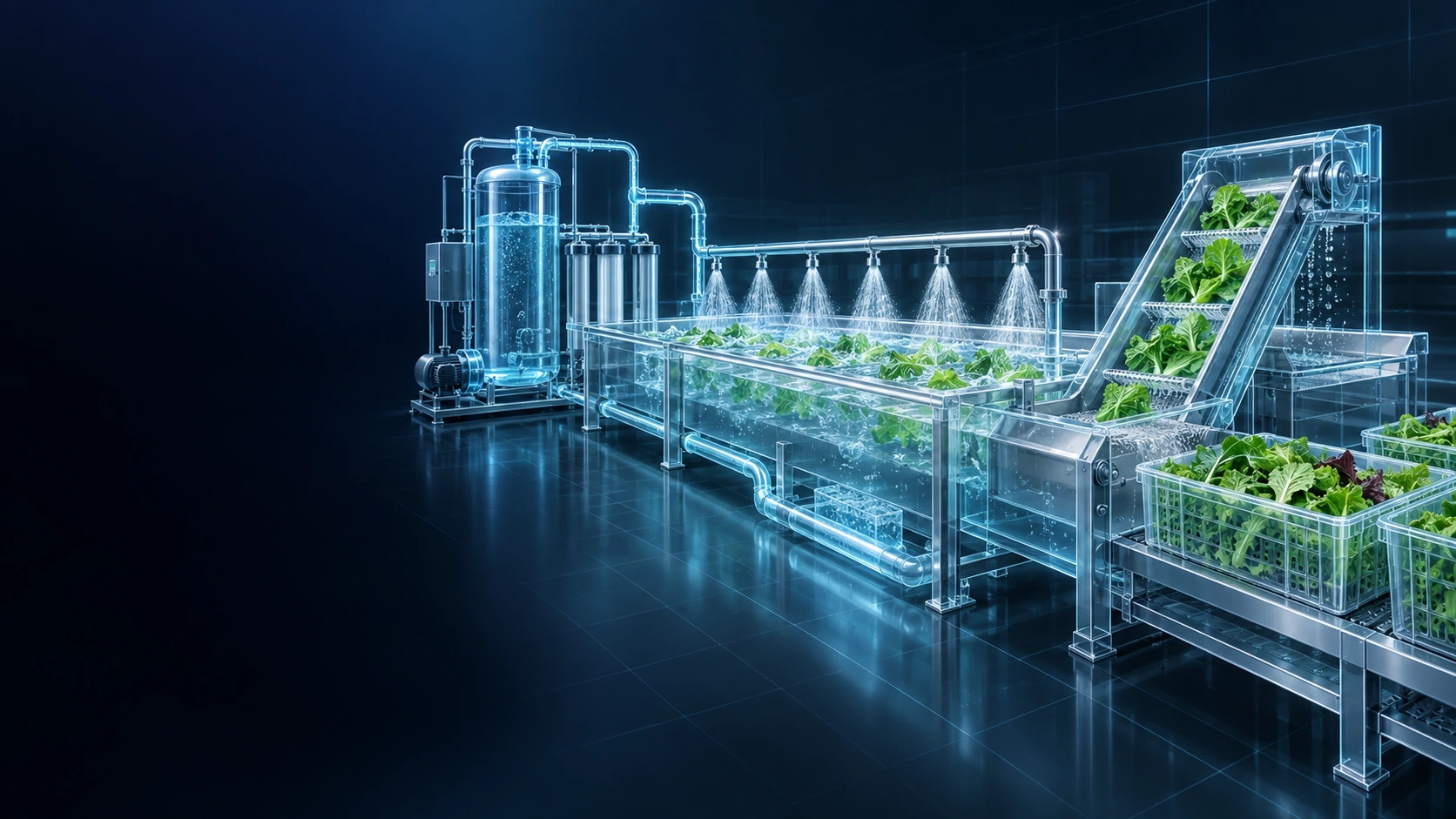
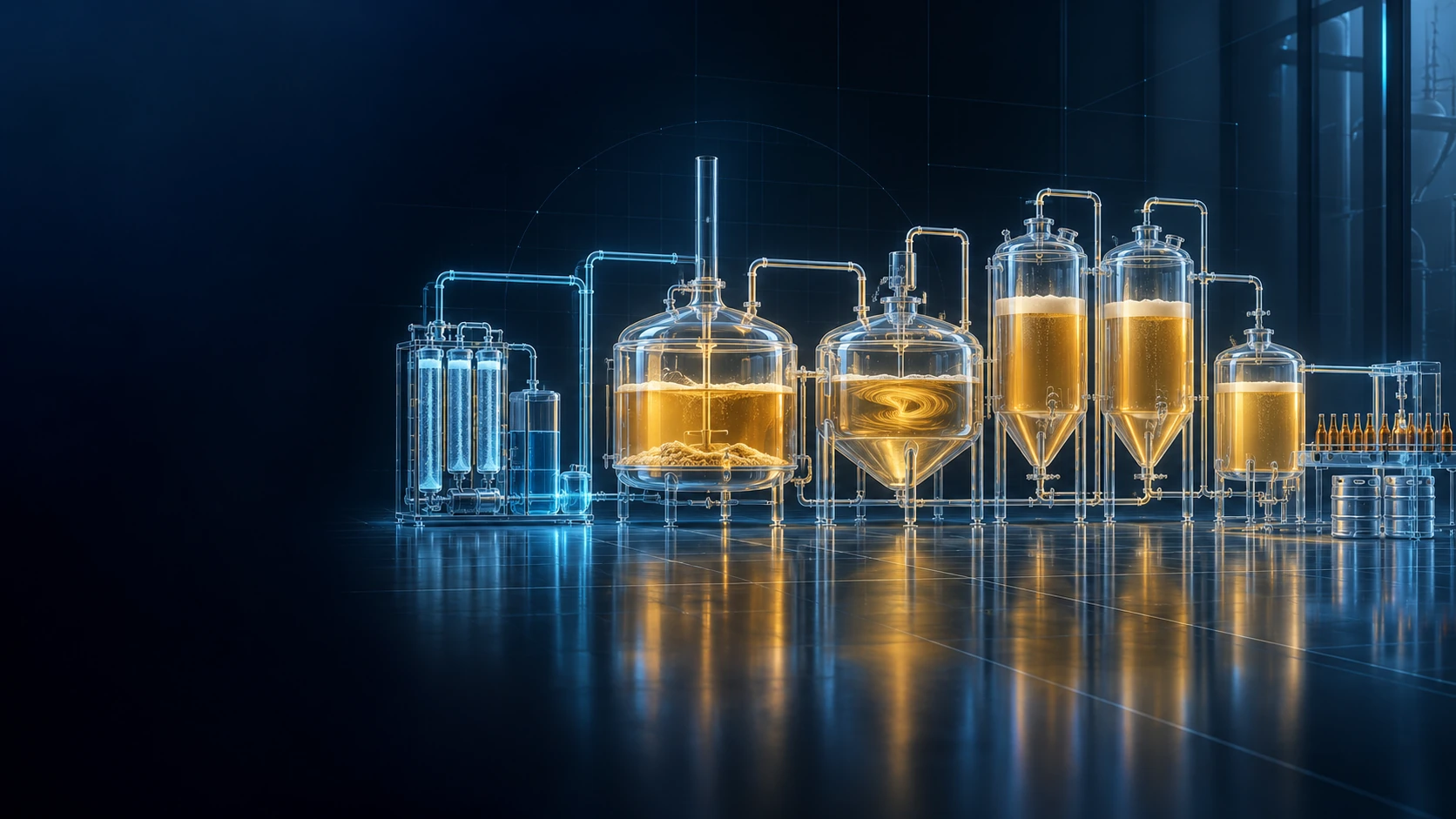
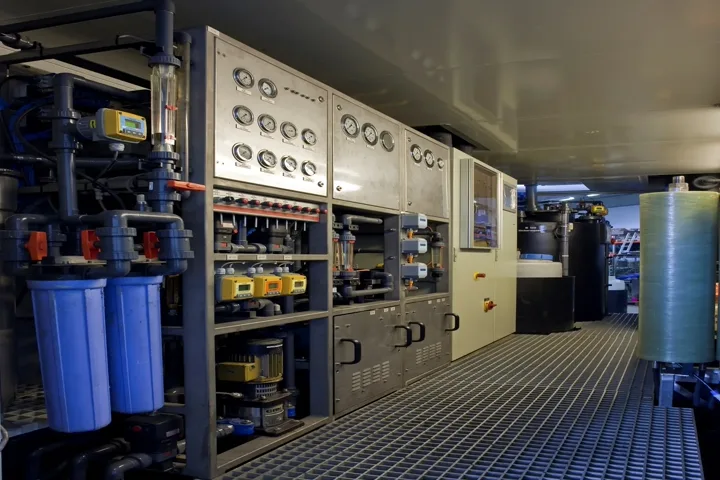
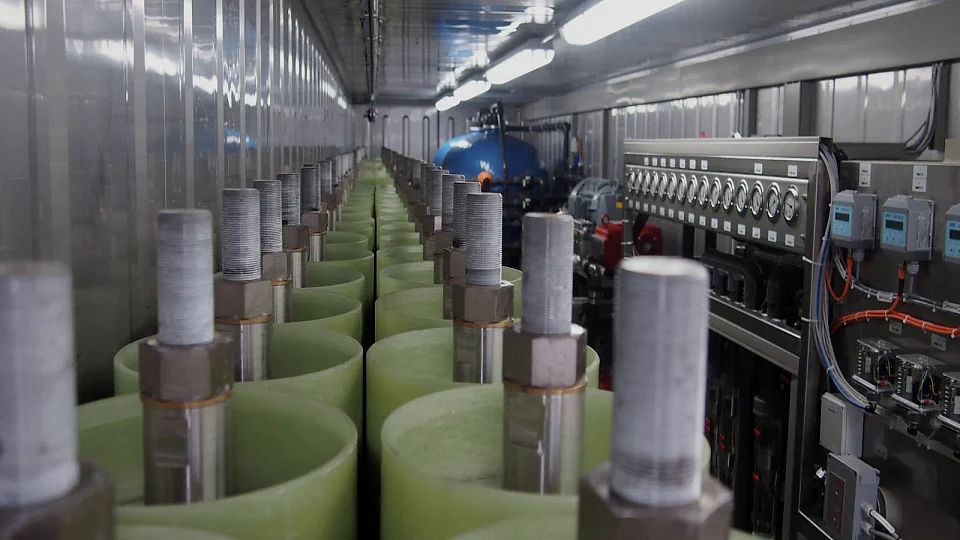
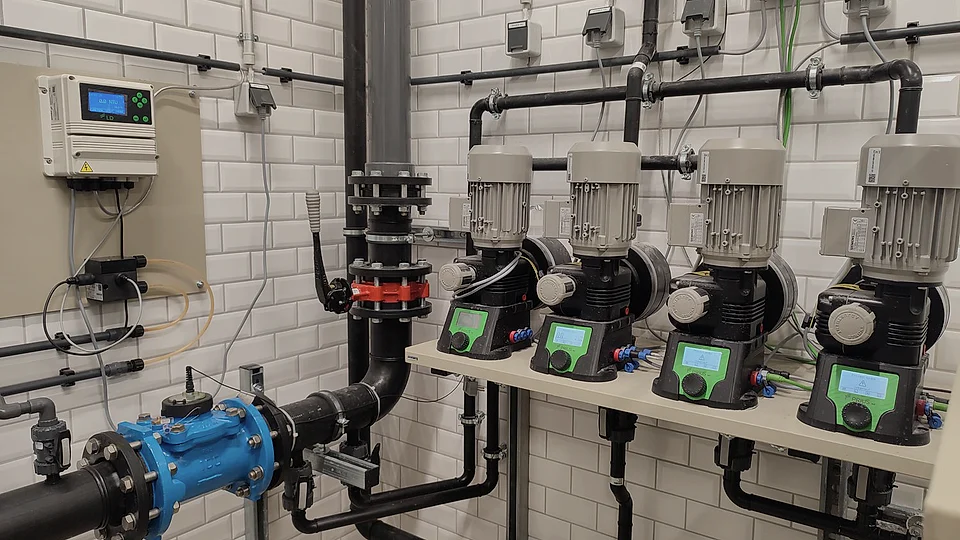
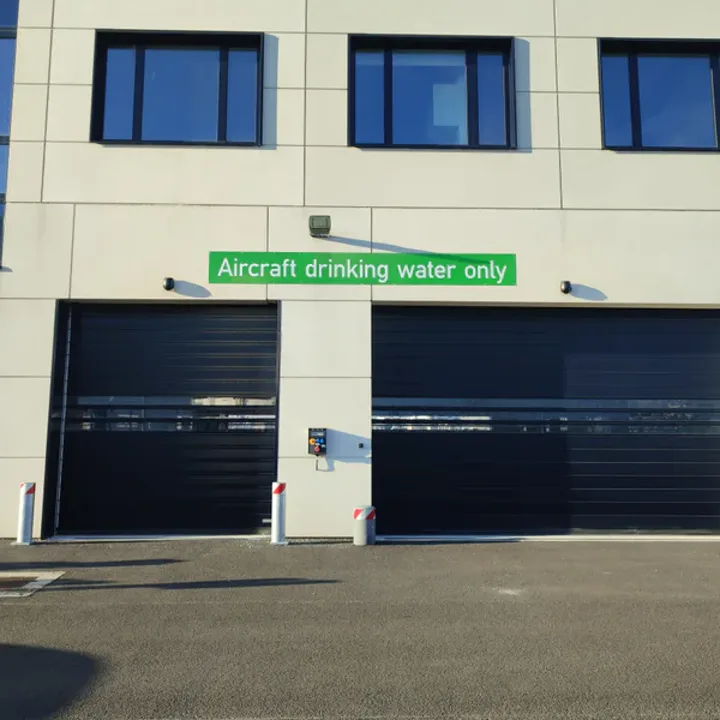
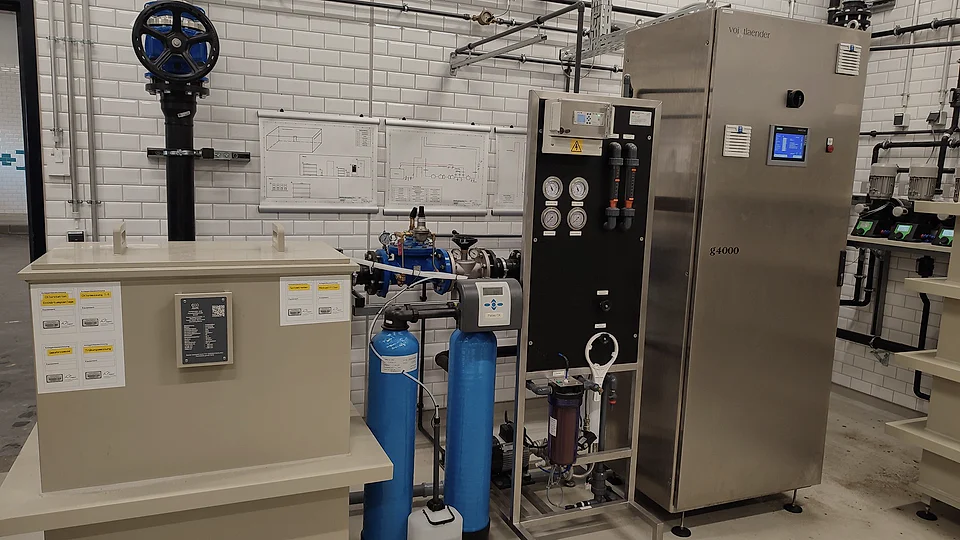
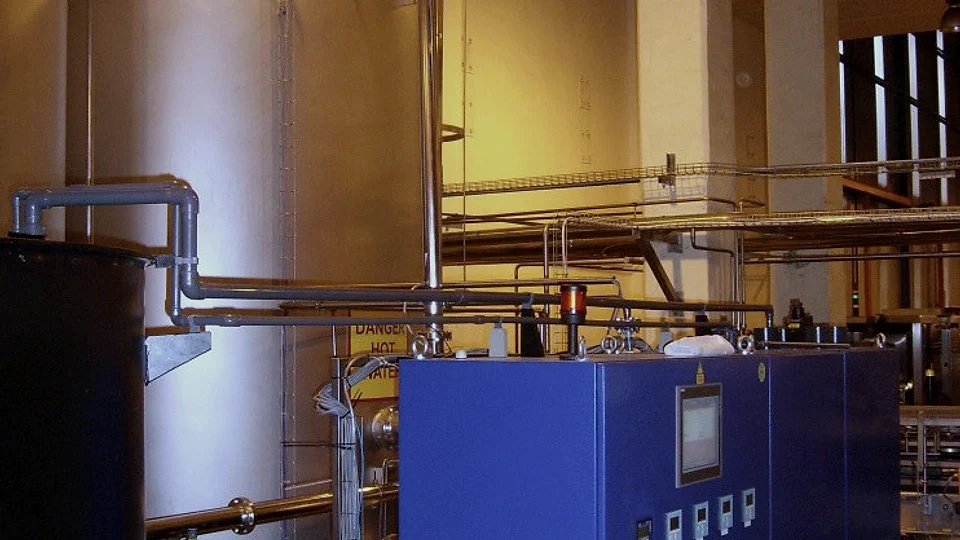
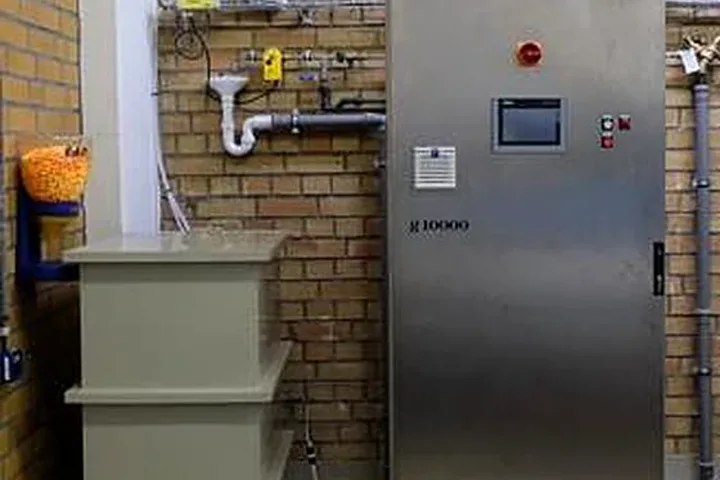
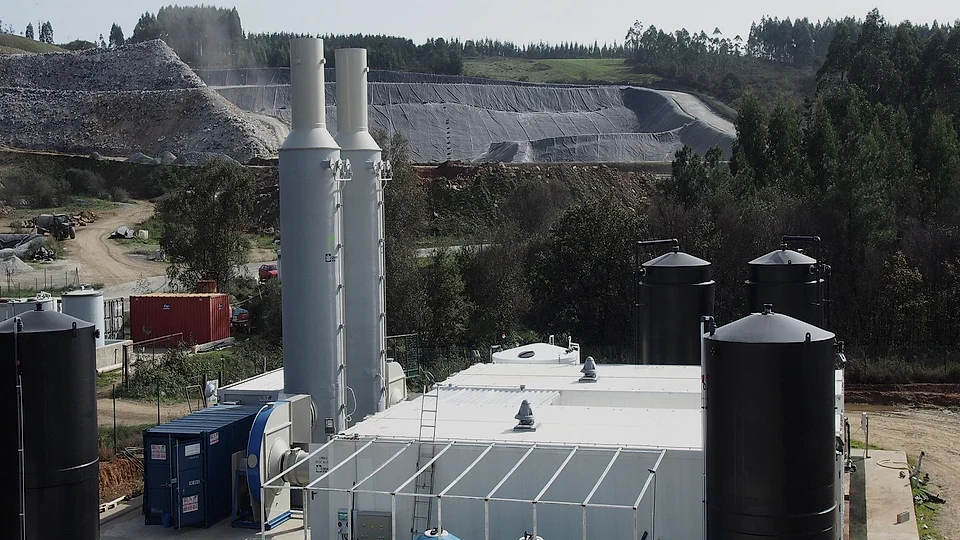
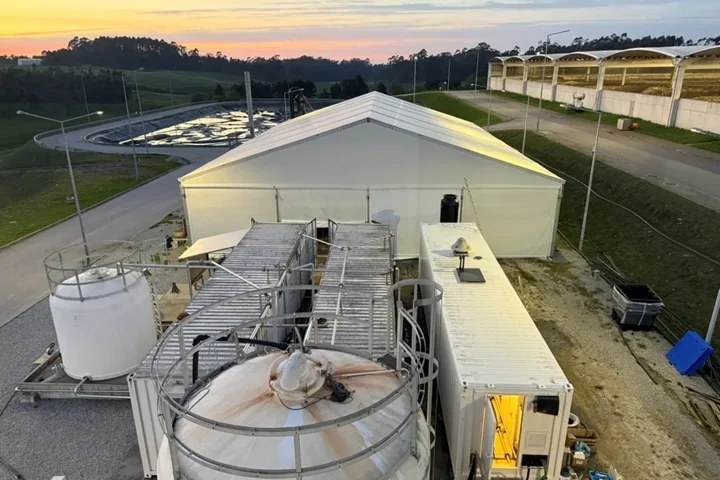
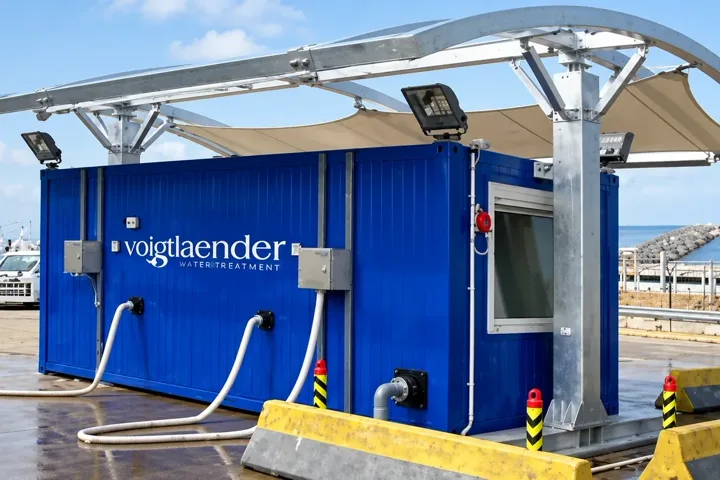
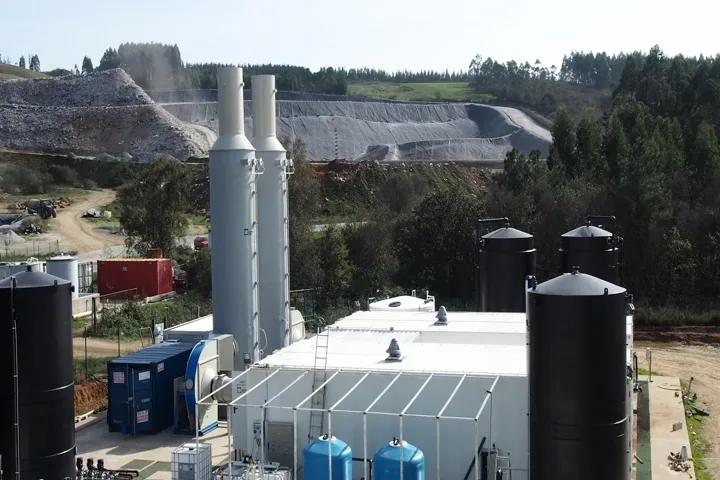
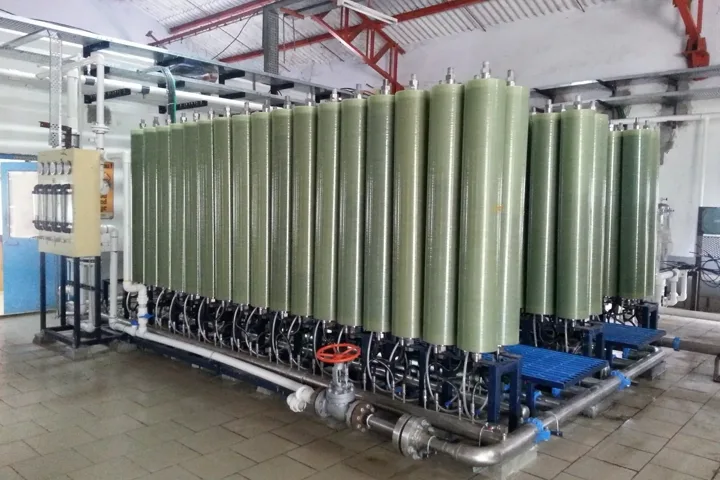
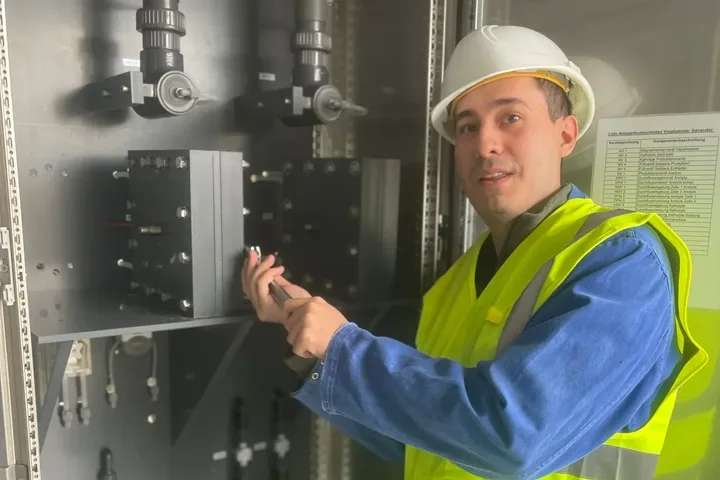
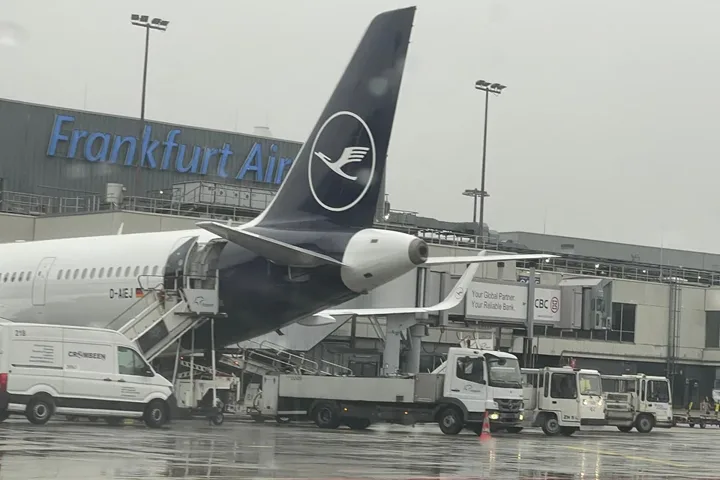
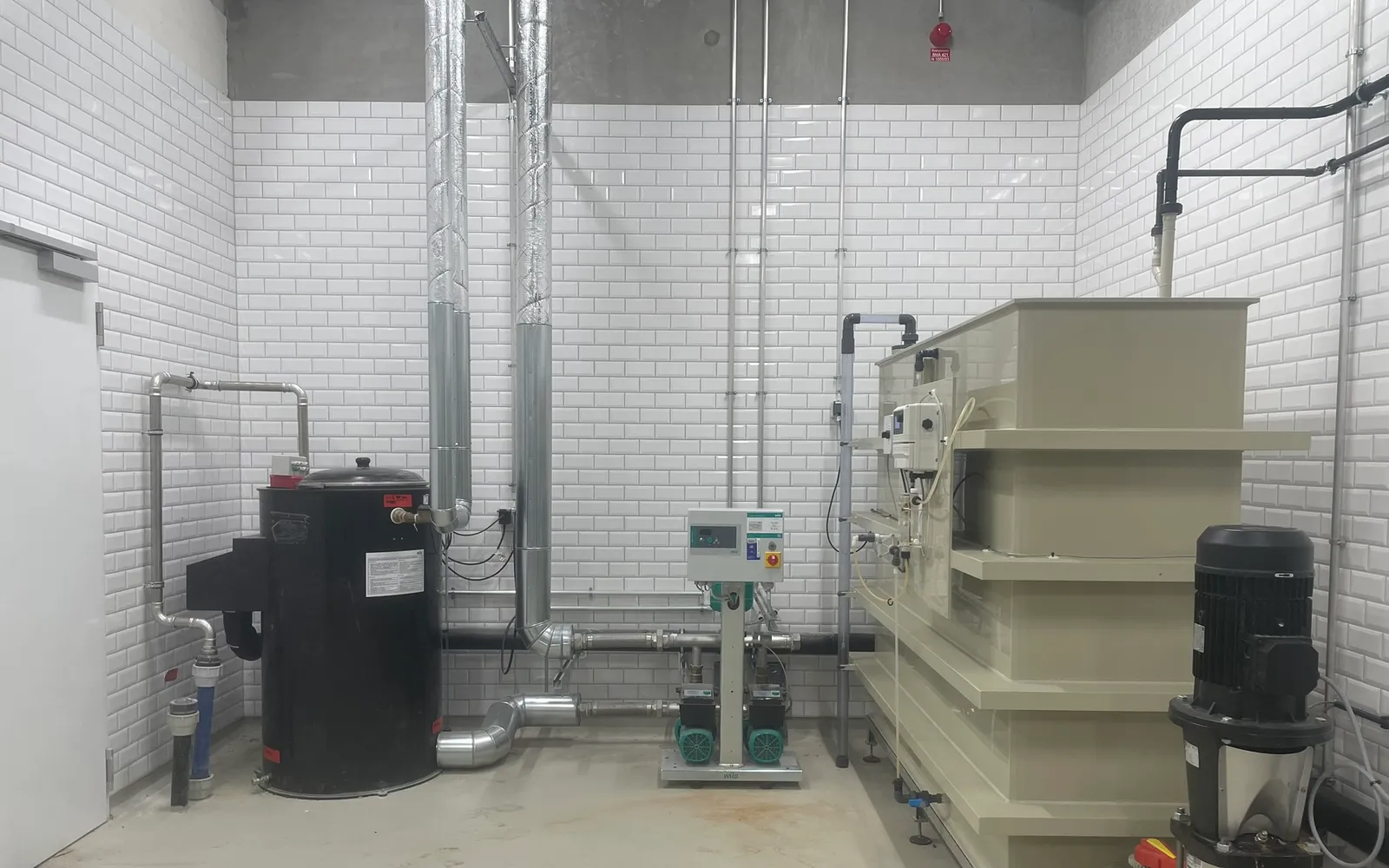
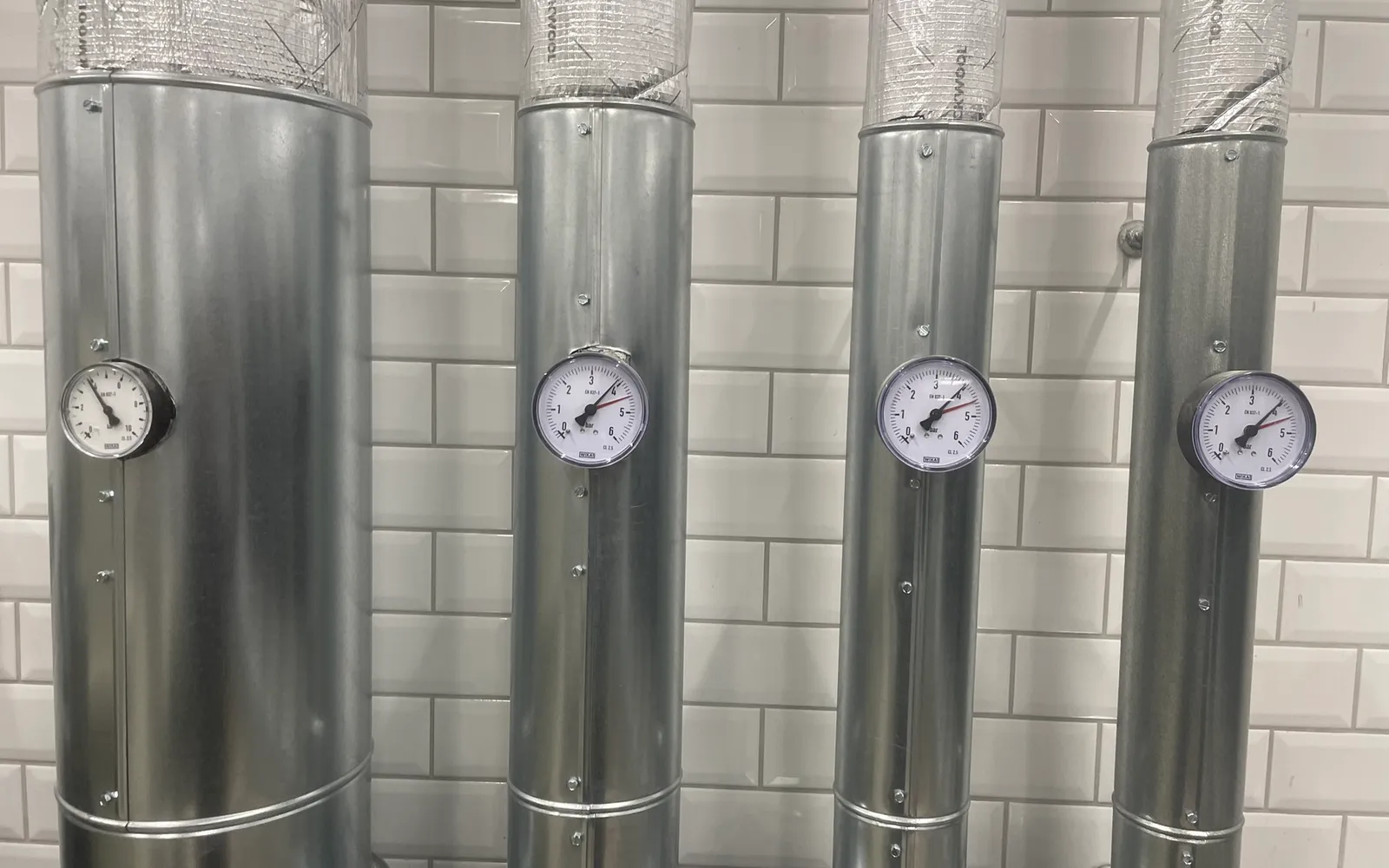
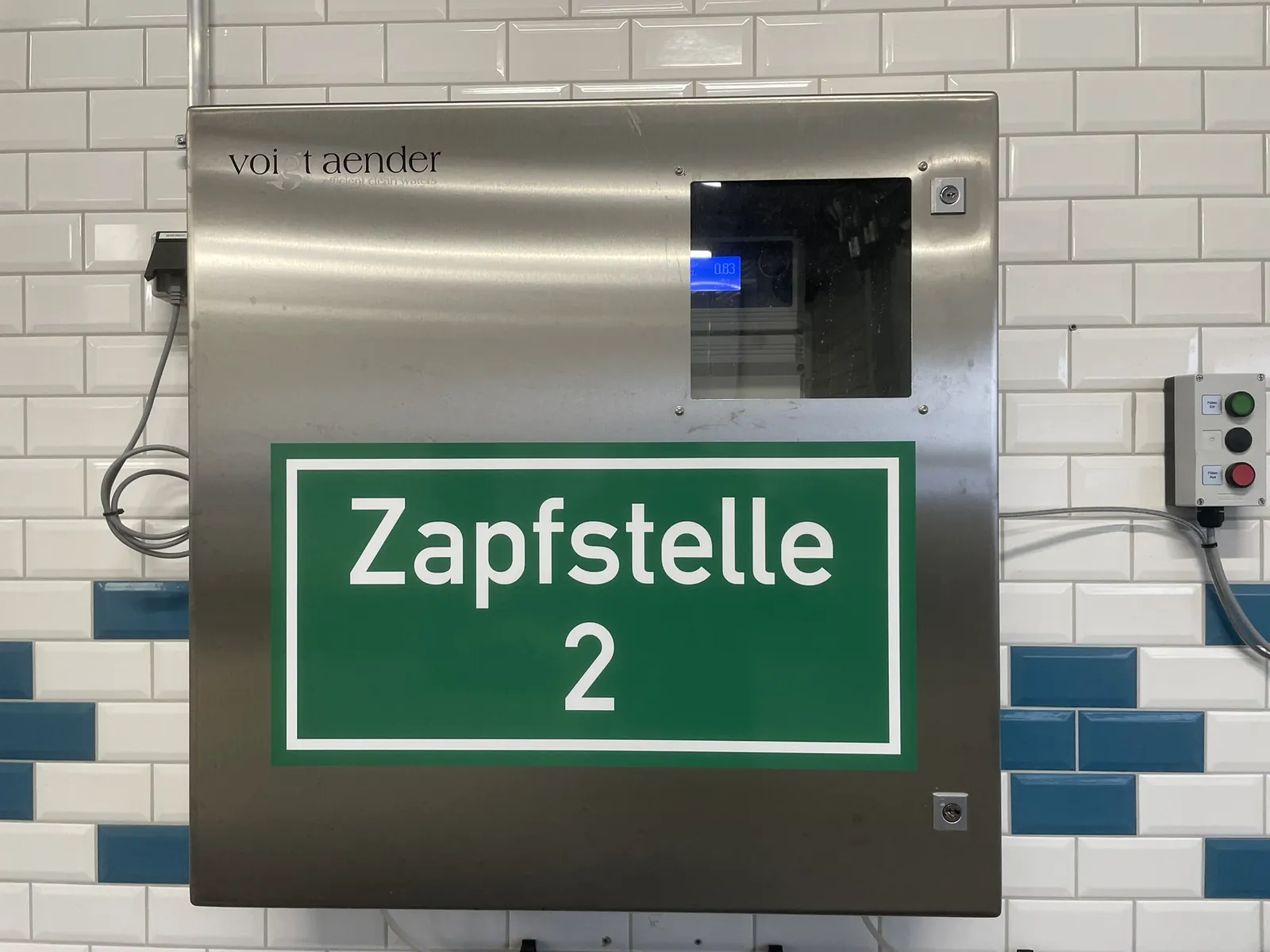
Project and technology photographs
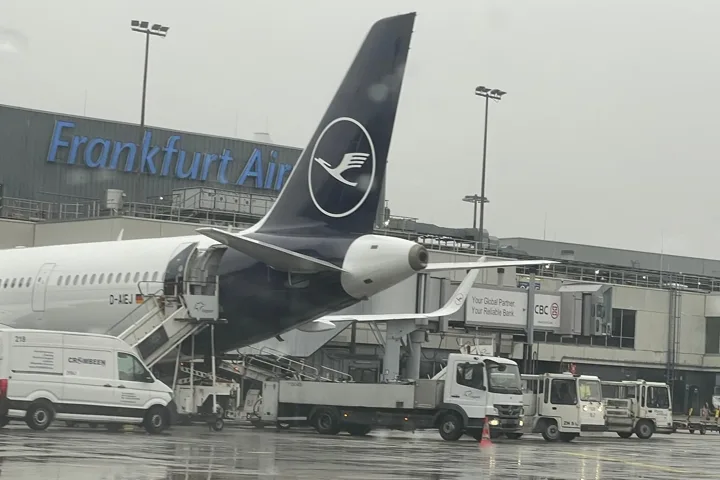
Photographs of installed Voigtländer systems. They show the same technology, not this site.
The process
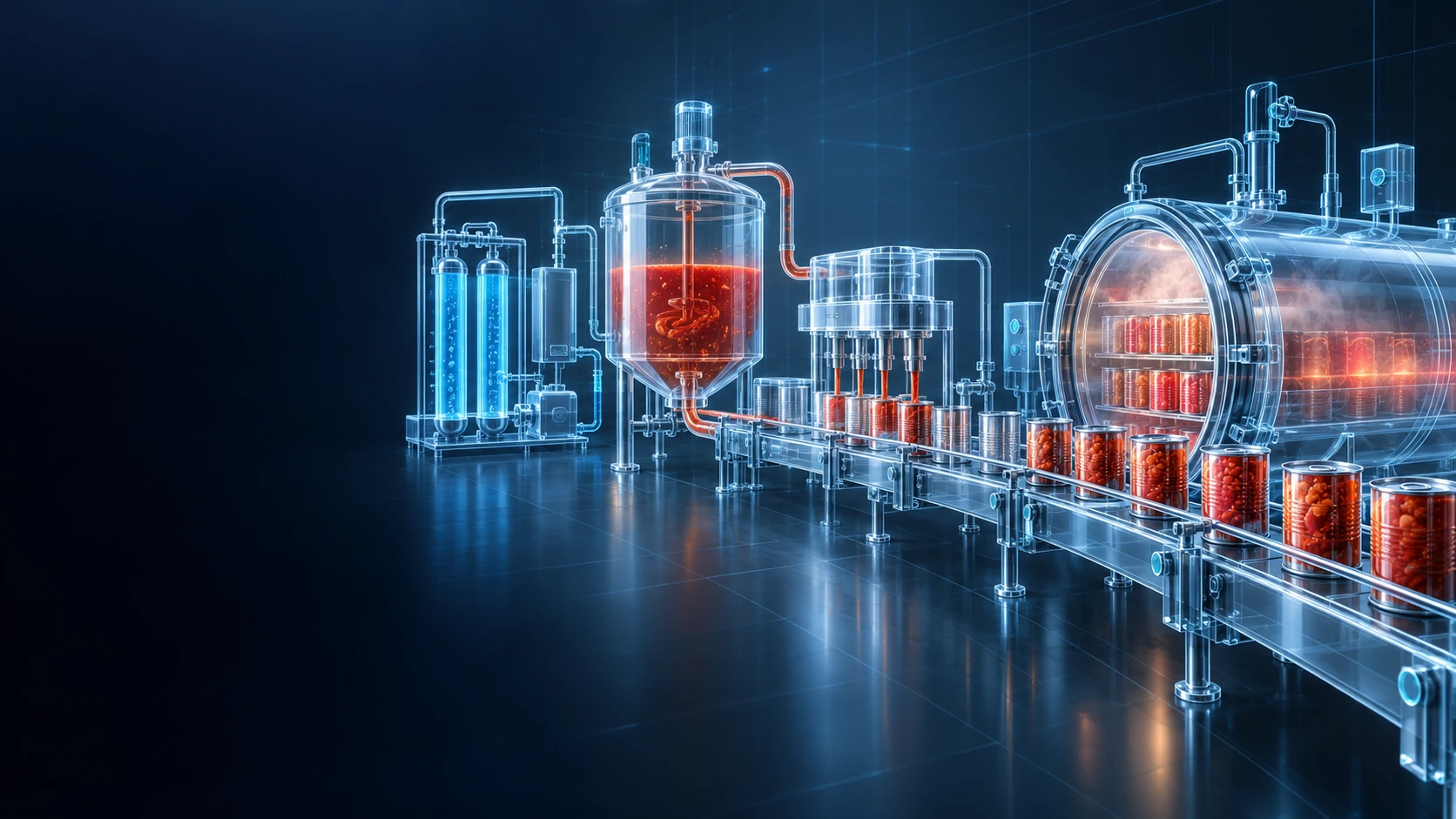
Inlet and water meter, brine tank, the three-chamber generator, anolyte tank, demand-led dosing, measurement and control. Press “Show me the process” to start the animated 3D diagram.
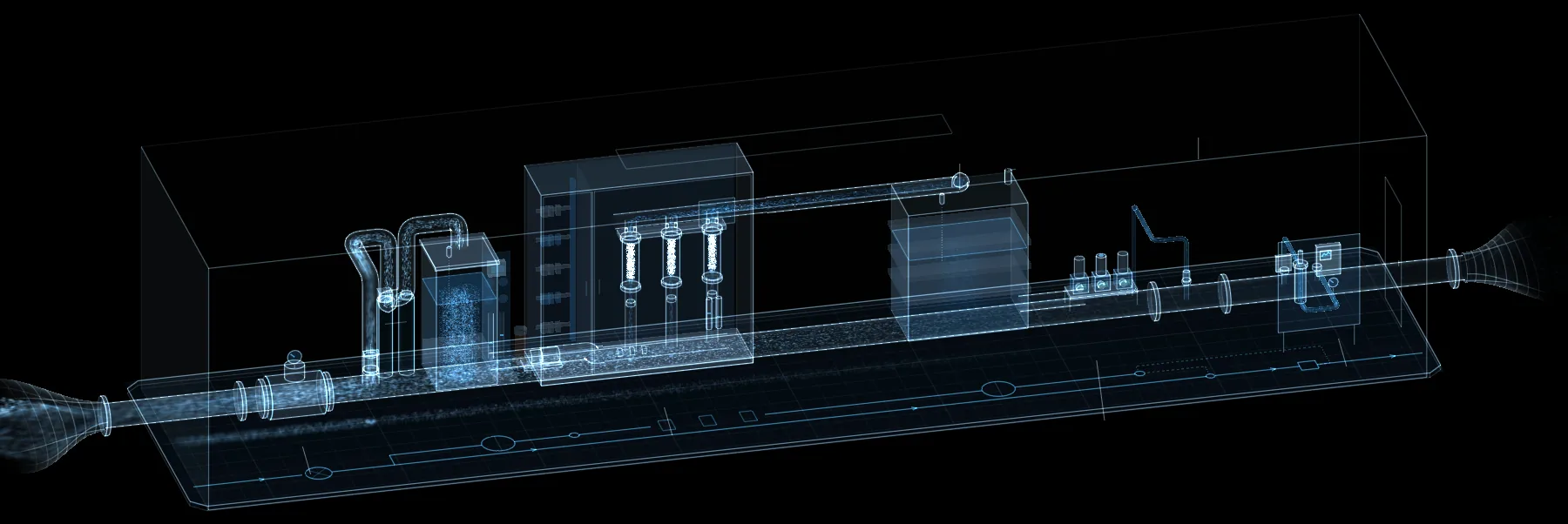
Modelled from the Voigtländer plant schematic of an anolyte system, in the drawing language of the home page. The cards show documented facts only, no invented figures.
Scope of the results
An installation, evaluated within its own operating context.
From reference to your project
This project shows one application. Explore the treatment approach and the decisions that matter before adapting it to your site.
Technical enquiry
Send the operating context and Hydreatio will route the enquiry to the right technical discussion.
Describe your water task and constraints so the right specialist can respond.
Start enquiry ›Canned food and autoclave hygiene3 autoclaves · Autoclaves serviced
Discuss your projectHydreatio assistant AI
AI assistant. It can make mistakes, and its answers are not a diagnosis of your plant. For anything further, please use our contact page. Privacy