
 ▶
 ▶
Article Evaporative cooling systems and cooling towers
Aircraft Potable Water Treatment: A 2028 Readiness Route
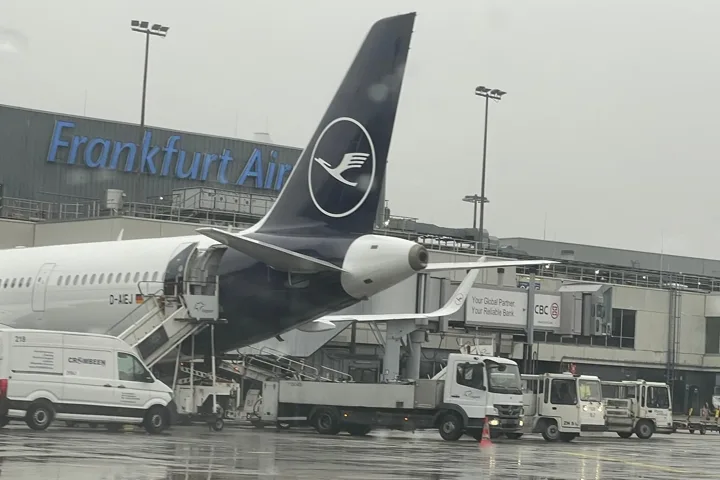
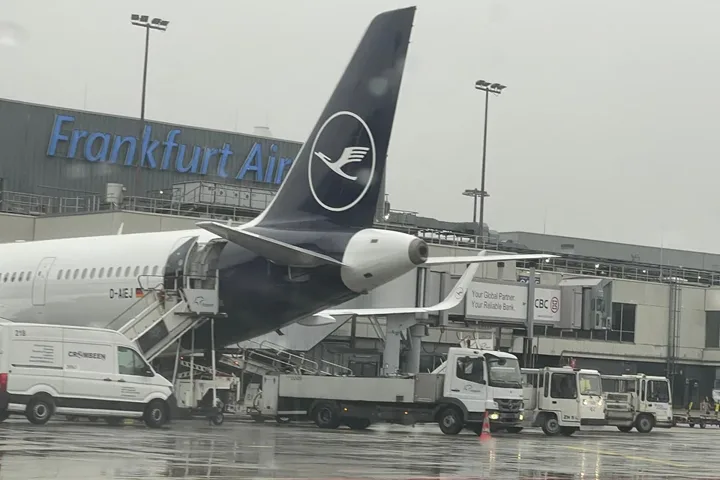
Airports and ground handling organisations preparing for 2028 face a specific problem: distinguishing a legal duty from a recommended practice, and turning that distinction into a workable treatment programme for aircraft potable water before the deadline arrives. What is needed is coordination between airport operator, ground handler, vehicle fleet and aircraft operator that is documented clearly, with an evidence trail able to withstand examination during an audit. Potable water disinfection at the airport only works if every handover in the chain, from main to bowser to aircraft tank, is assigned to a named responsibility and backed by records that a regulator or customer can actually inspect.

Aircraft potable water treatment before Regulation (EU) 2025/20 applies on 27 March 2028: a gap assessment across procedures, operator coordination and
This article sets out what Regulation (EU) 2025/20 requires for potable water servicing, where the typical gaps between procedure, coordination and evidence tend to sit, what field-installed treatment approaches look like in practice, and how an organisation can build a realistic preparation route rather than a compliance statement that collapses under scrutiny.
What Regulation (EU) 2025/20 Actually Requires at the Apron
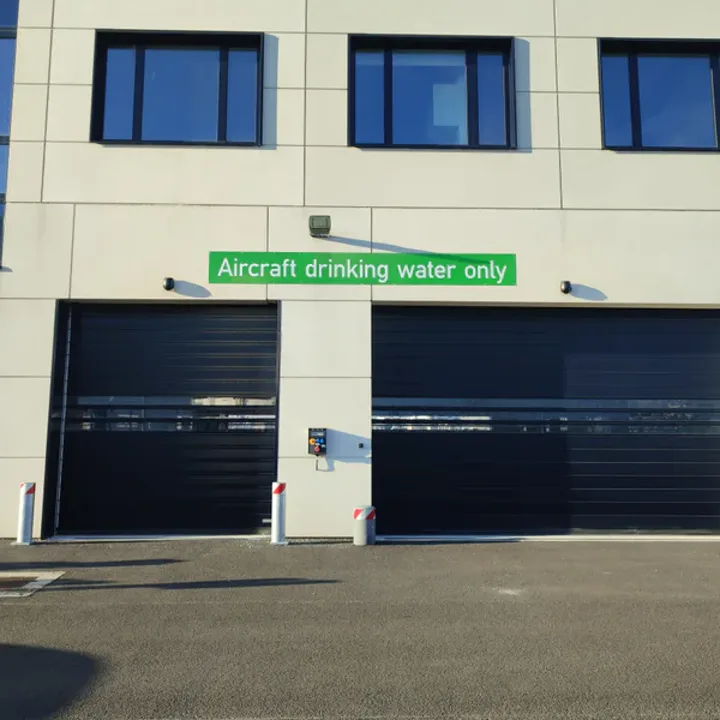
Published in the Official Journal on 7 March 2025, Commission Delegated Regulation (EU) 2025/20 contains core provisions, among them GH.OPS.320 covering potable water servicing, that will become generally applicable from 27 March 2028. From that date, procedures, roles and records must function in actual practice, rather than simply existing on paper. GH.OPS.320 explicitly obligates the ground handling organisation to coordinate with the aerodrome operator so that any water loaded for drinking or personal use aboard the aircraft contains no chemical substances or microorganisms, and so that the water’s quality undergoes regular testing consistent with both the local health authority’s rules and the aircraft operator’s own procedure. The rule also requires attention to personal protective equipment for staff performing the servicing and to mitigating the risk of producing foreign object debris during the activity.
AMC1 GH.OPS.320 sits alongside this as an acceptable means of compliance, which is a recommendation on how the duty can be satisfied, never a duty in itself. It describes testing at various water transfer points before uplift, keeping evidence of those tests, maintaining potable water servicing equipment under the GSE maintenance programme, identifying and cleaning the servicing truck appropriately, and parking it separately from non-potable equipment. This means the underlying obligation in GH.OPS.320, not the specific steps set out in AMC1, is what ultimately has to be met. The practical consequence for any organisation preparing to meet the potable water servicing requirements of Regulation (EU) 2025/20 is that the duty and the recommended method for meeting it need to be kept distinct in every internal document, because conflating them is where false compliance promises usually start.
Finding the Gaps Between Procedures, Operator Coordination and Evidence
A realistic gap assessment starts by identifying every handover point, asset and organisation involved in filling one aircraft, together with the data sources each party actually keeps. The airport, the ground handler, the vehicle operator, the airline, a laboratory and a health authority may each hold a different piece of the quality picture, covering the transfer point, vehicle release, aircraft-specific procedure, testing, deviation handling and renewed release. Stating that responsibility is “shared” is not an assessment; the actual allocation has to be defined by contract, by organisational role and by site-specific procedure, otherwise the first serious deviation exposes a gap nobody owns.
Once handovers are mapped, the assessment has to work through contamination routes systematically: standing times in tanks and hoses, backflow risk at connections, and the possibility of wrong connections between potable and non-potable equipment. Routine checks on fleet connections belong in this same pass, because mobile storage and open connections combine technical risk with organisational interfaces that demand close attention. Only after these routes are understood does it make sense to define cleaning, inspection, maintenance, release and escalation procedures, each with a clear isolation and release status so that equipment coming back from maintenance, downtime or an abnormal event cannot return to service without a complete check.
The final piece of a credible gap assessment is piloting the process, training the people who run it, and auditing it using actual operating data rather than a paper walkthrough. This sequence, from mapping through risk assessment to procedure definition and piloting, is what turns a generic water safety statement into something that will hold up when an auditor asks for the record behind a specific claim.
Aircraft Potable Water Treatment Approaches Supported by Field Evidence
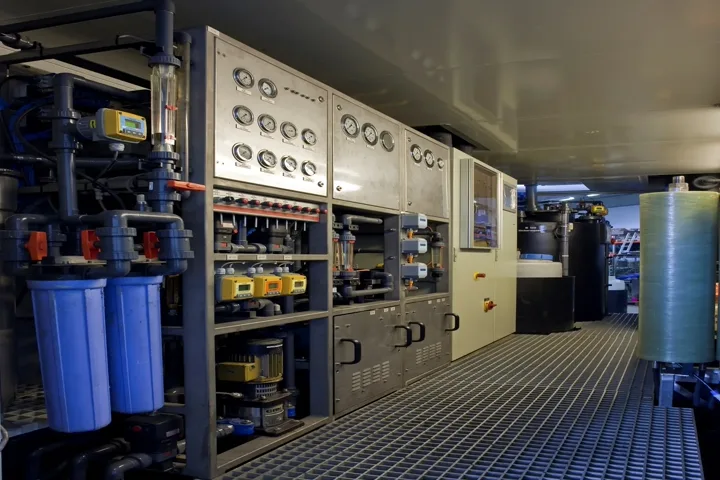
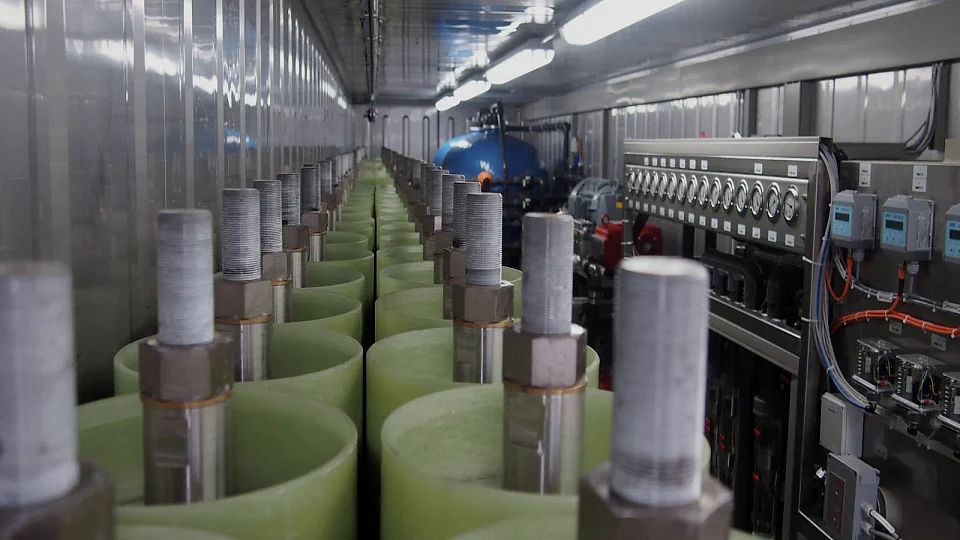
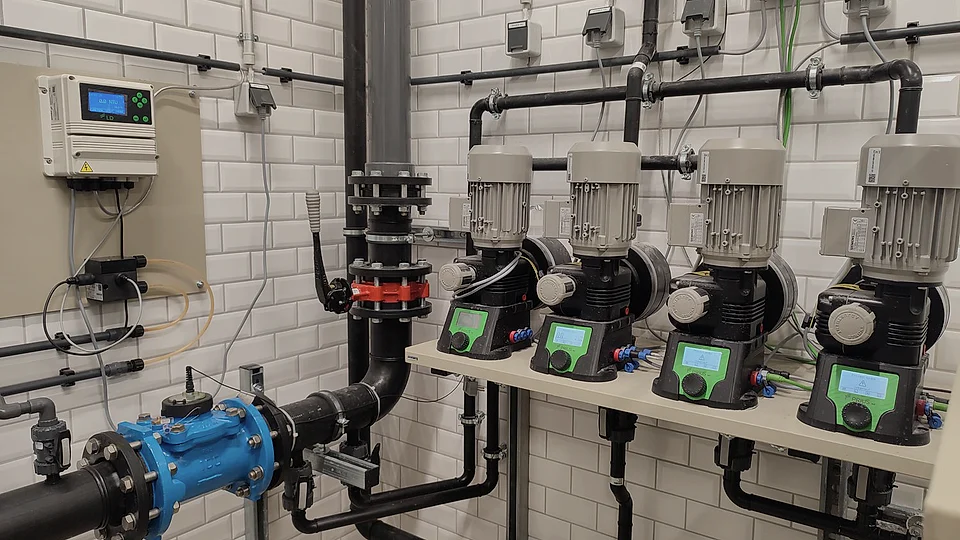
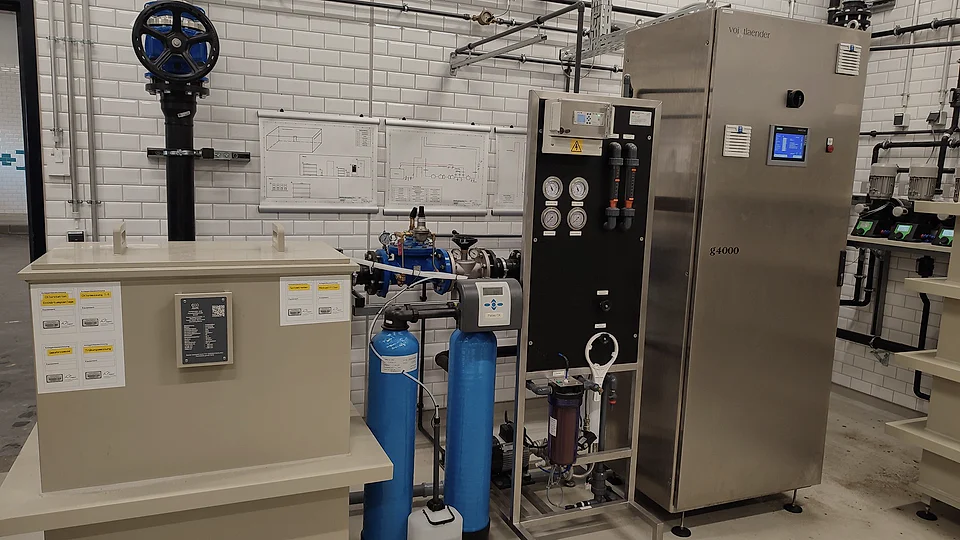
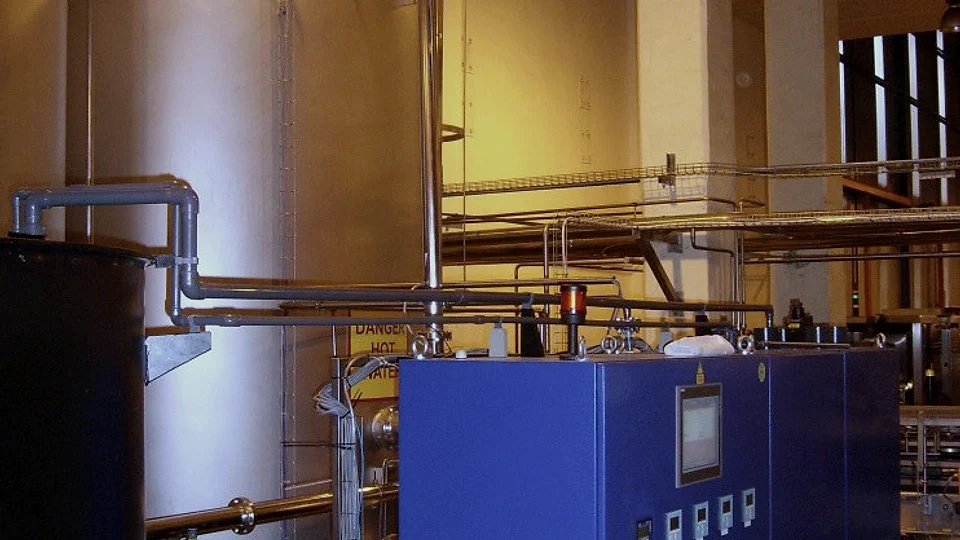
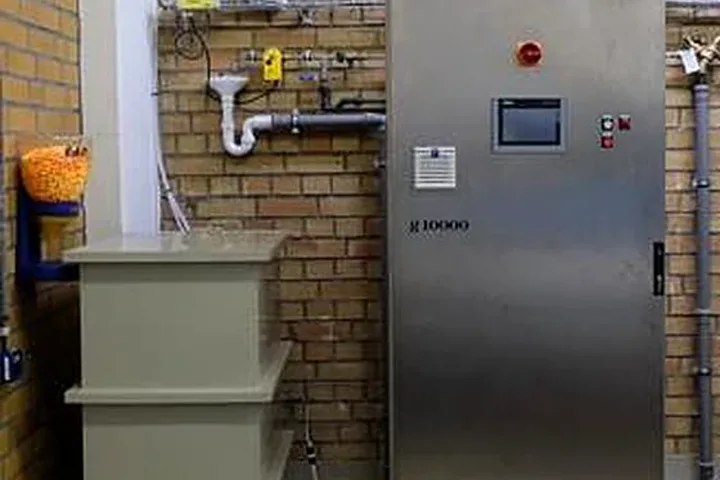
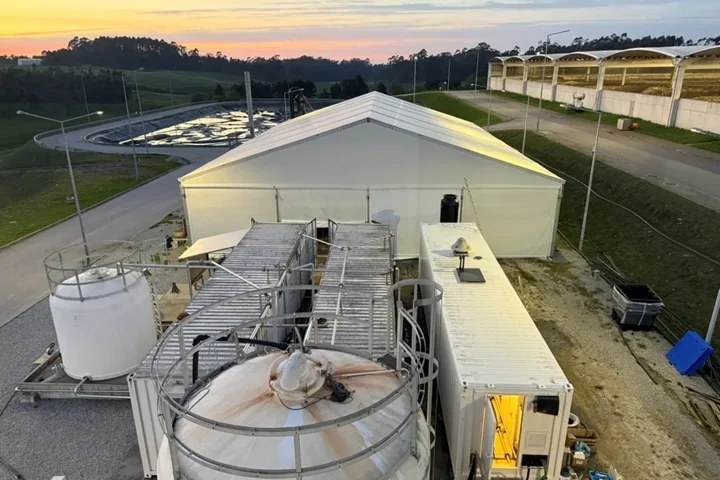
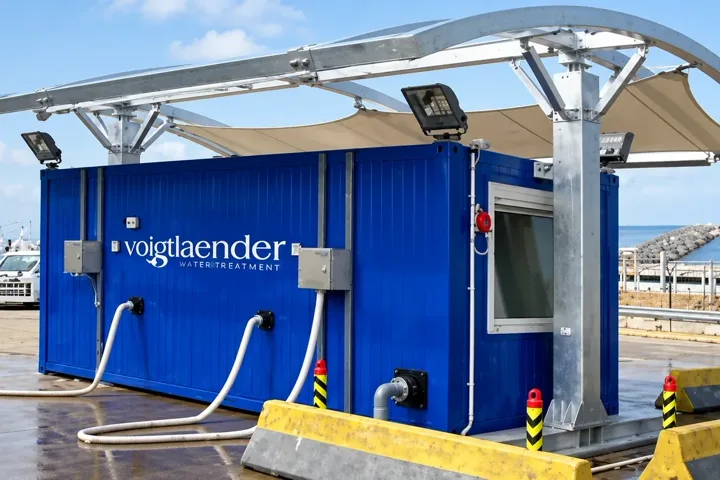
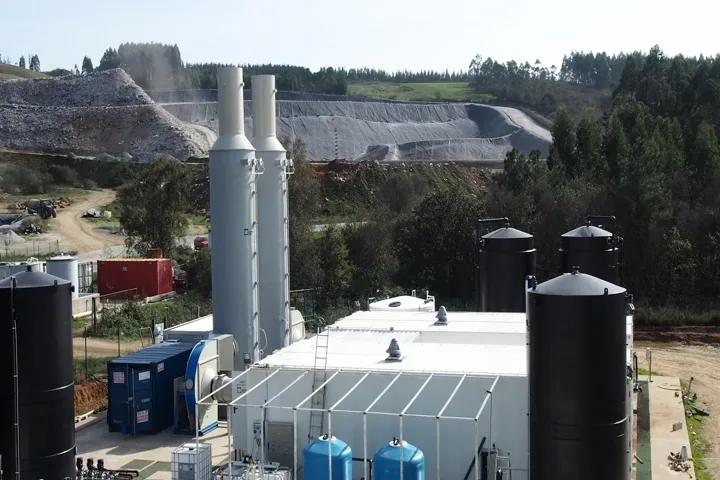
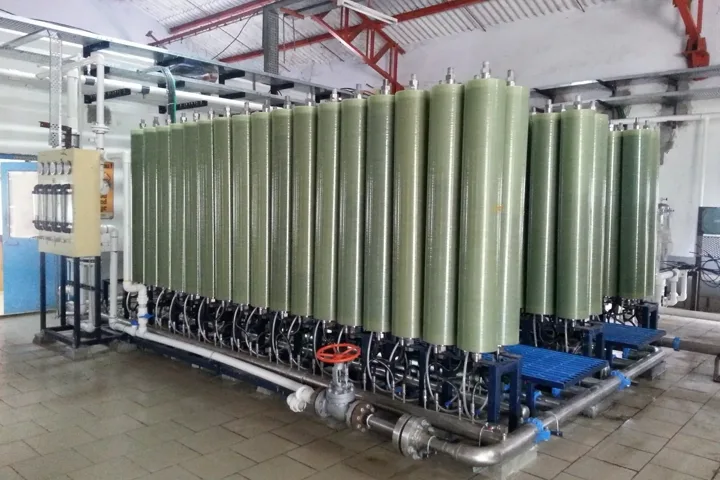
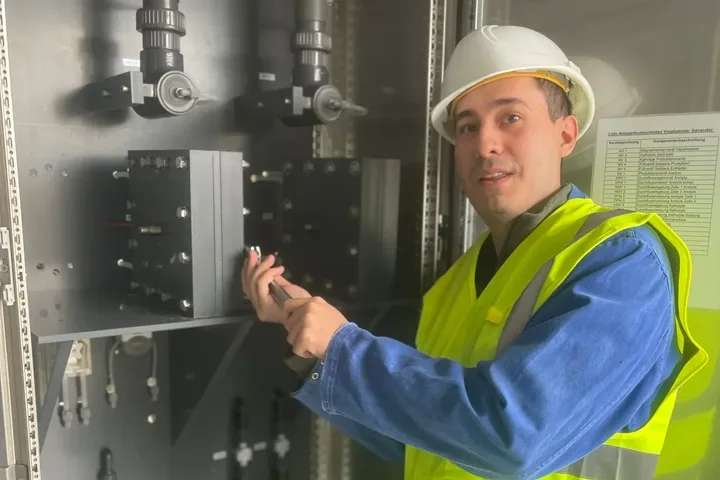
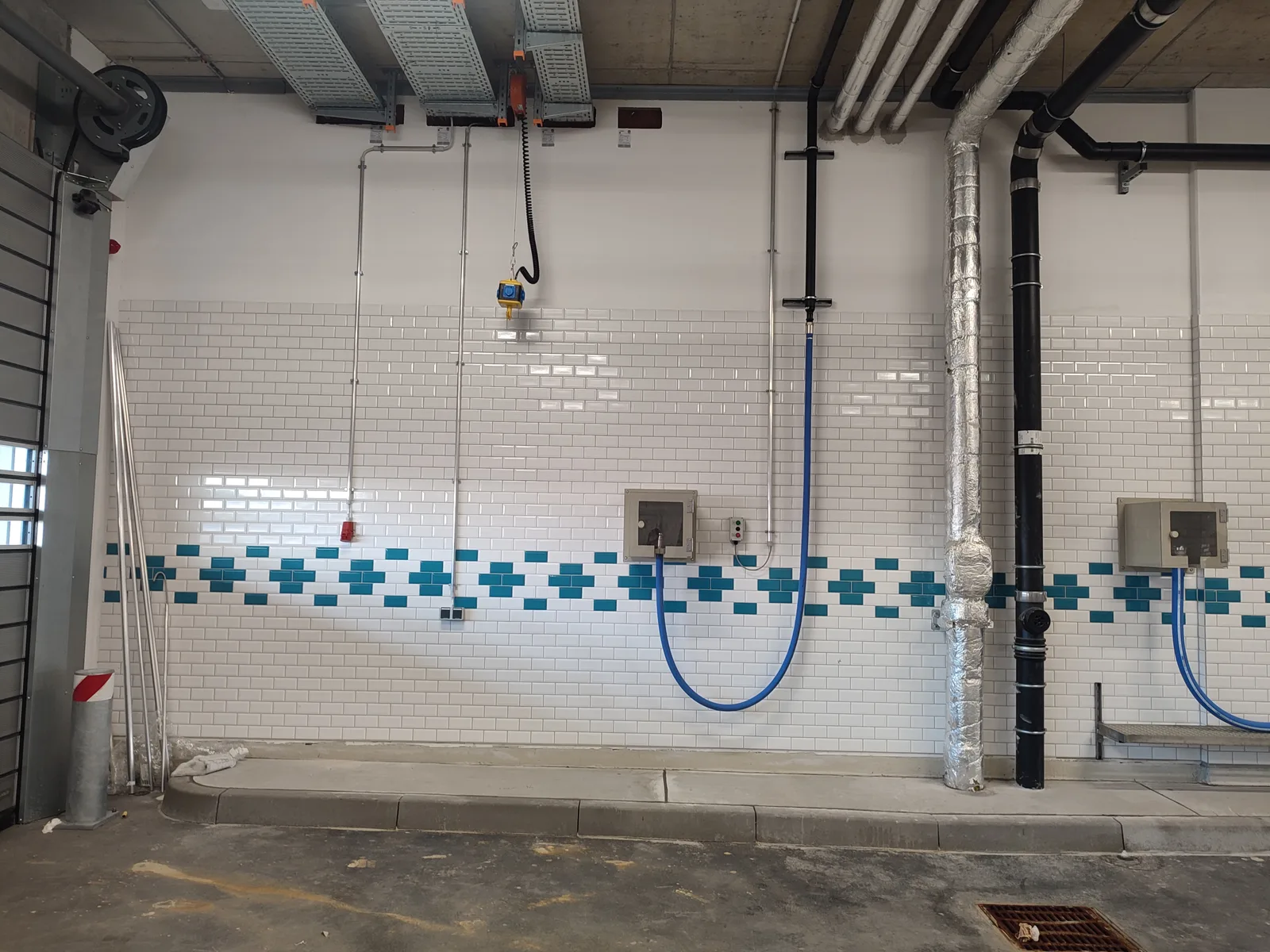
Where organisations have installed on-site disinfectant generation to treat aircraft potable water, the approach documented in practice produces the disinfecting agent at the point of use rather than storing or transporting a prepared chemical. At one airport application, a complete system including generator, dosing pump and measurement equipment is installed in a compact container footprint, treating the water before it reaches the aircraft so nothing hazardous needs to be moved separately to the apron. A second installed application, documented with working generation, dosing, measurement and control equipment rather than a concept design, records both the operating data capture and the staff training needed to run the system day to day. A third smaller site treats a modest daily volume of drinking water dosed directly into the mains, with the same basic arrangement of water and salt feeding a generator, a dosing pump metering the output, and a measurement point recording what actually reaches the line.
A common advantage noted throughout these installations is that generating the substance on site eliminates, for that particular use, the need to transport, store or handle a pre-made hazardous disinfection chemical, representing a real simplification of operations and safety rather than any general assertion about the purity of the water. This is the basis for describing the approach as a chlorine-free disinfection route at the apron: the disinfecting agent is generated locally rather than delivered as a stored chlorine-based product, which changes the handling and storage profile without implying any absolute outcome about the water itself. For any airport evaluating aircraft drinking water disinfection options, the relevant question is whether the installed equipment, the measurement points and the operating records match what GH.OPS.320 and AMC1 actually ask for, not whether a vendor’s description matches a regulatory term by name.
Building a Realistic 2028 Preparation Route for Your Airport
For an airport or ground handler starting this work now, the sequence that fits the evidence is to begin with the handover and asset map described above, test it against the specific duties in GH.OPS.320 rather than against AMC1 alone, and only then decide which acceptable means of compliance, whether on-site generation or another method, fits the site’s existing infrastructure and vehicle fleet. The 27 March 2028 application date gives time for a pilot phase and a training cycle, but only if the gap assessment starts early enough to surface contract and ownership gaps between the airport operator, the ground handler and the airline before they become audit findings. Any claim made to a customer or regulator about readiness should be limited to what has actually been verified at that site, since a procedure that exists on paper but has not been piloted with real operating data is not evidence of compliance.
Have a water related question? Use Hydreatio Smart Match to find the assessment most relevant to your operation. The result provides directional guidance and does not replace laboratory testing, site inspection or expert assessment.
SourcesEASA Easy Access Rules for Ground Handling, GH.OPS.320 and AMC1 (easa.europa.eu). Hydreatio technical report "Drinking Water Hygiene in Aviation". Technical documentation from Voigtländer. Anonymised reference projects.