1. Home
  2. References
  3. Residential complex drinking water

Reference · Voigtländer · Drinking-water hygiene in buildings

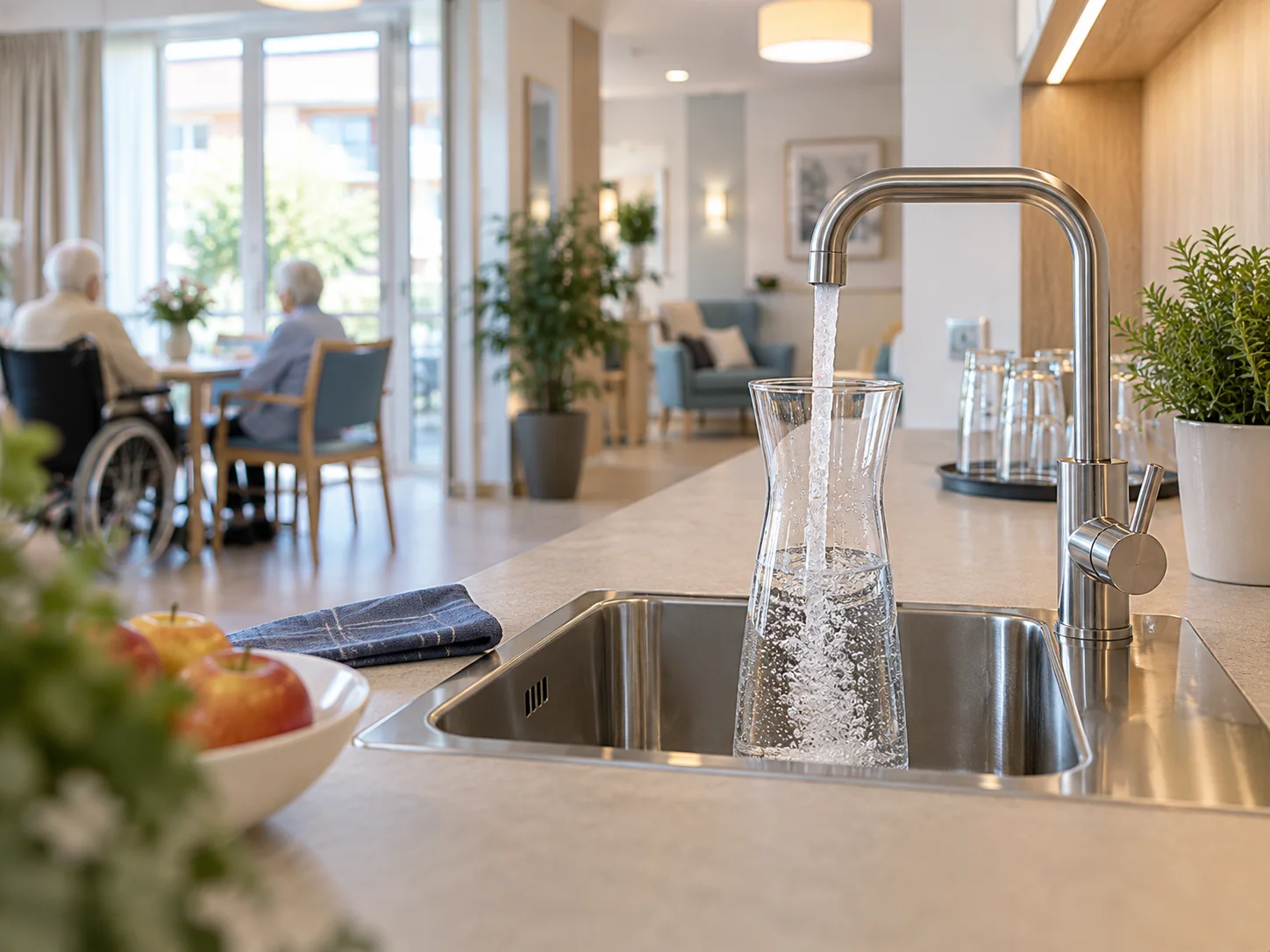
A residential complex of 58 apartments

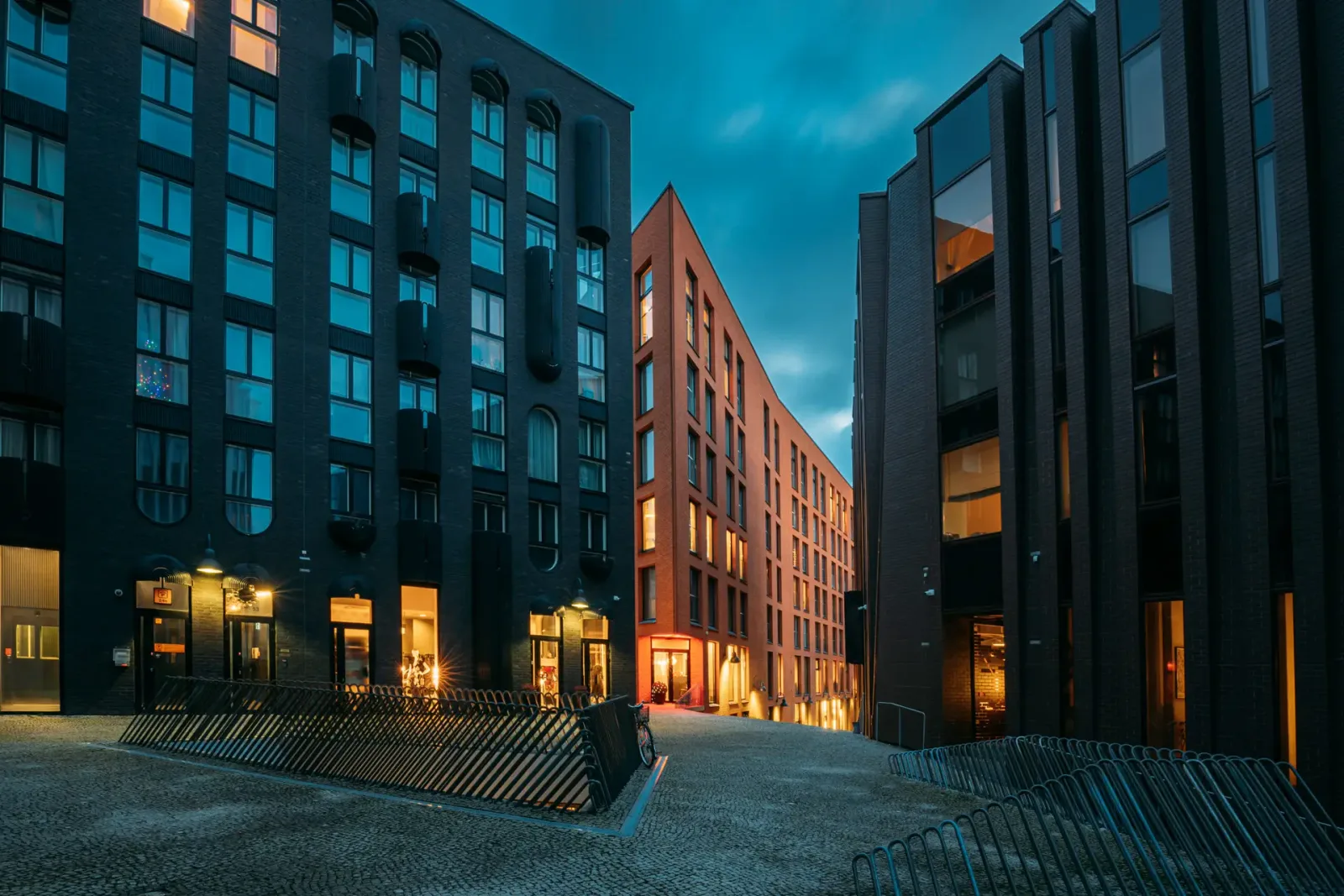
A housing complex of 58 apartments, built to the German Passivhaus standard, needs about 22 m³ of drinking water a day. A Voigtländer system doses anolyte into the circulated water, of which about 20 m³ is in circulation.

65 → 45 °Cwarm-water temperature change, with energy cost savings of up to 30% at this building

58 apartmentsin the complex
22 m³/daydrinking water requirement, approximately
65 → 45 °Cwarm-water temperature change
up to 30%reported energy cost saving at this building

Voigtländer's case study describes this site. The figures describe this installation, not a general performance guarantee.

A low-energy building with a circulated system

Preventing Legionella in a housing complex is difficult because the water system is complex and the environments inside the building differ.

This complex has 58 apartments, is built to the German Passivhaus standard, which means a low energy profile, and has a drinking water requirement of roughly 22 m³. The client asked for a leading-practice solution and wanted energy consumption kept as low as possible.
Anolyte dosed into the circuit

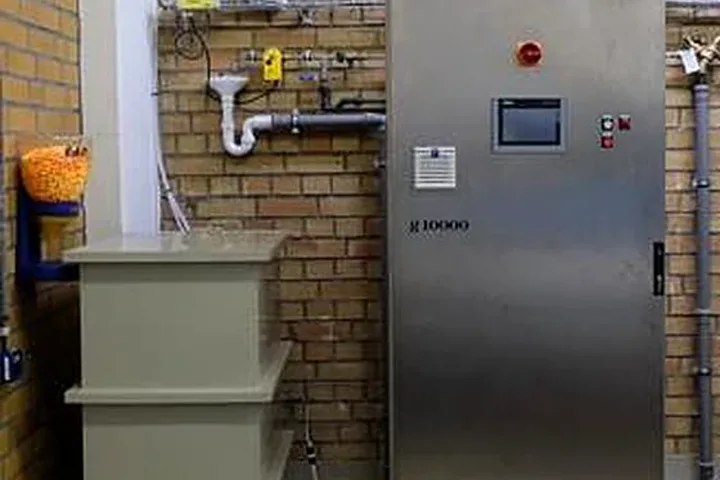
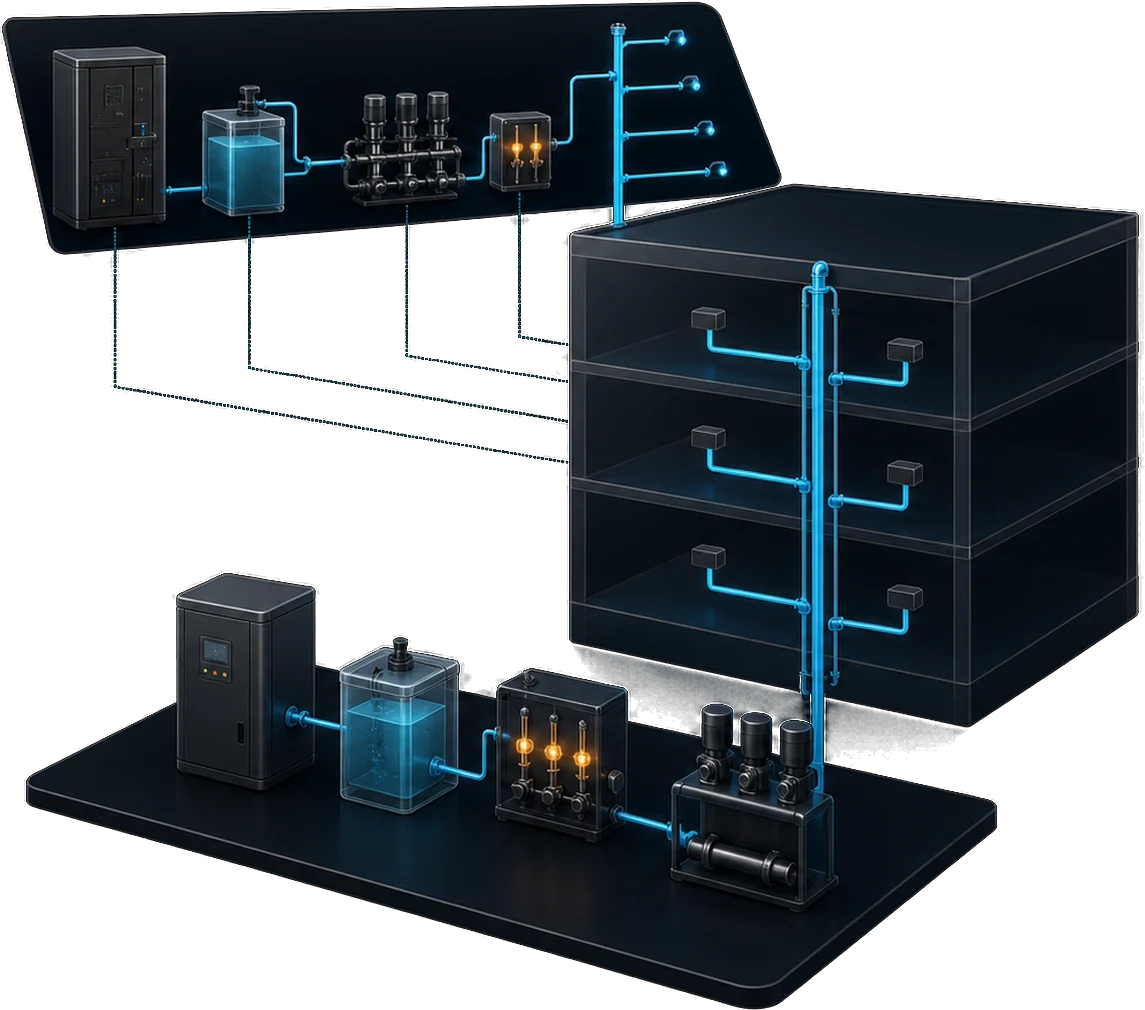
The Voigtländer system doses anolyte into the water that circulates through the building, of which about 20 m³ is in circulation. It works on the bacteria in that circulated water and on the biofilm in the circuit.

A low water temperature raises the risk of contamination, Legionella in particular. Constant dosing of anolyte into the mains water is what keeps the water quality in hand under those conditions.

Lower temperature, lower energy cost

The project reports a warm-water temperature change of 65 → 45 °C and energy cost savings of up to 30% at this Passivhaus complex. These are site-specific results, not a guarantee for another building.

How the concept works

From the mains through the building

  1. 1

    Mains water

    About 22 m³ a day for 58 apartments.

  2. 2

    Generation on site

    The Voigtländer generator produces anolyte.

  3. 3

    Constant dosing

    Anolyte is dosed continuously into the mains water.

  4. 4

    Building circuit

    About 20 m³ circulates through the building.

  5. +

    Why constant

    A low water temperature raises the risk of contamination, so the dosing is continuous rather than occasional.

The technology

Dosing, control and storage

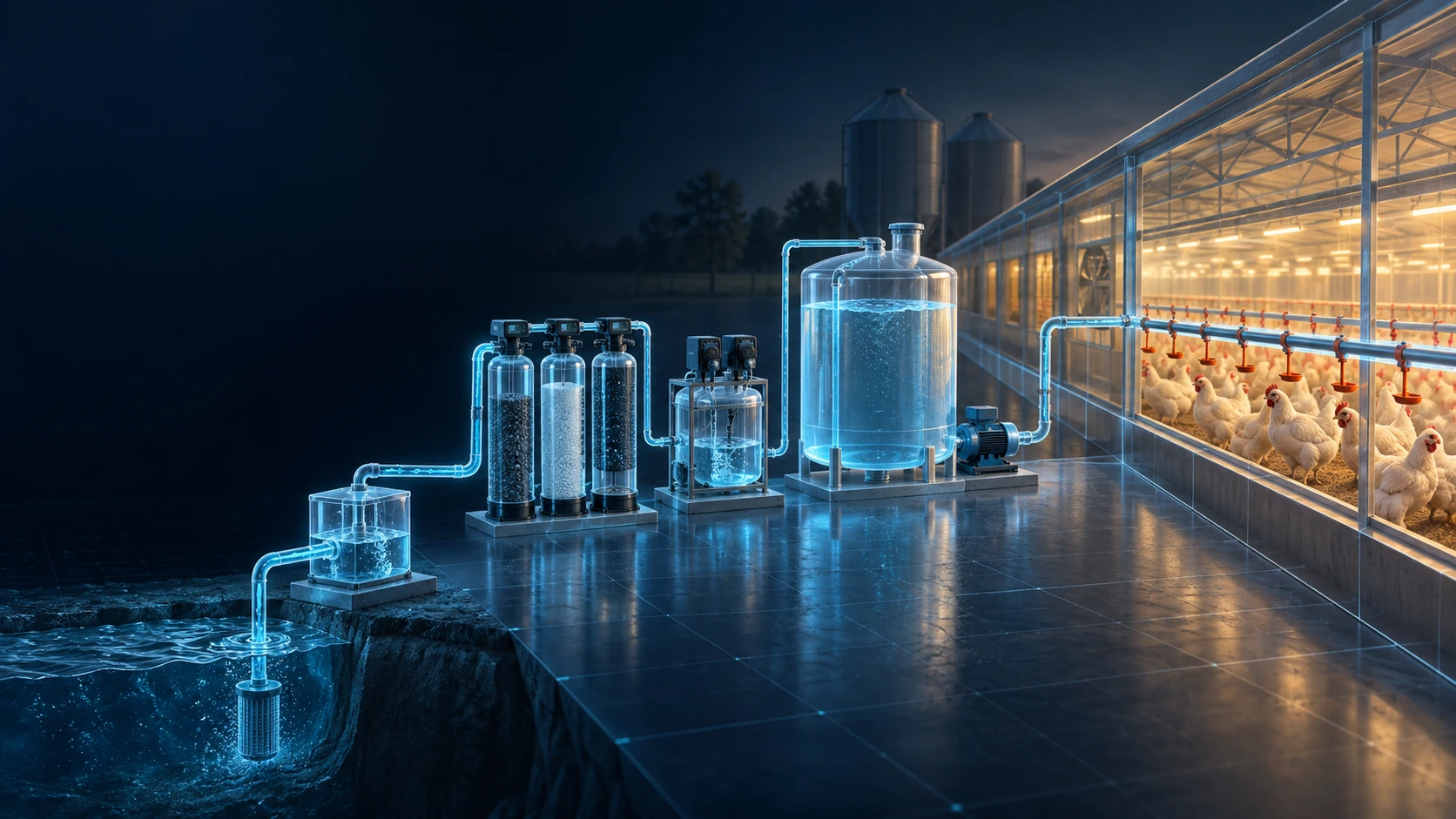
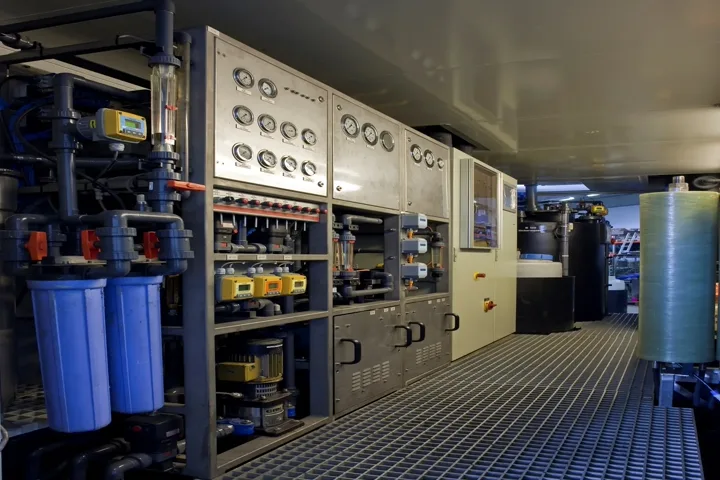
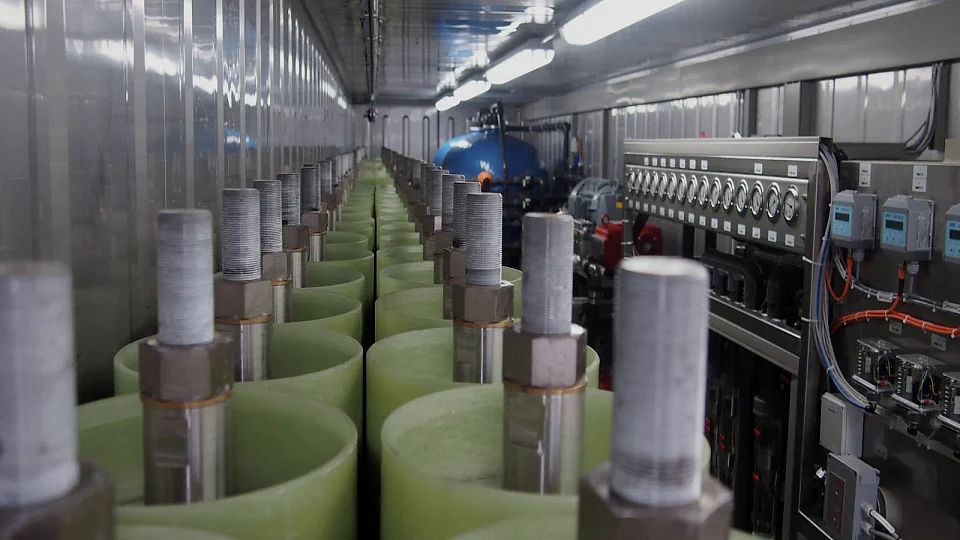
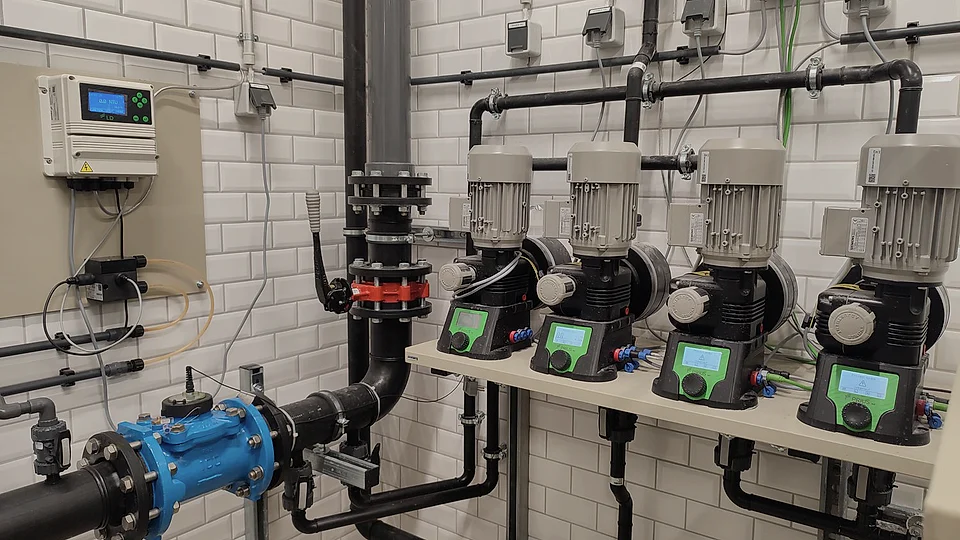
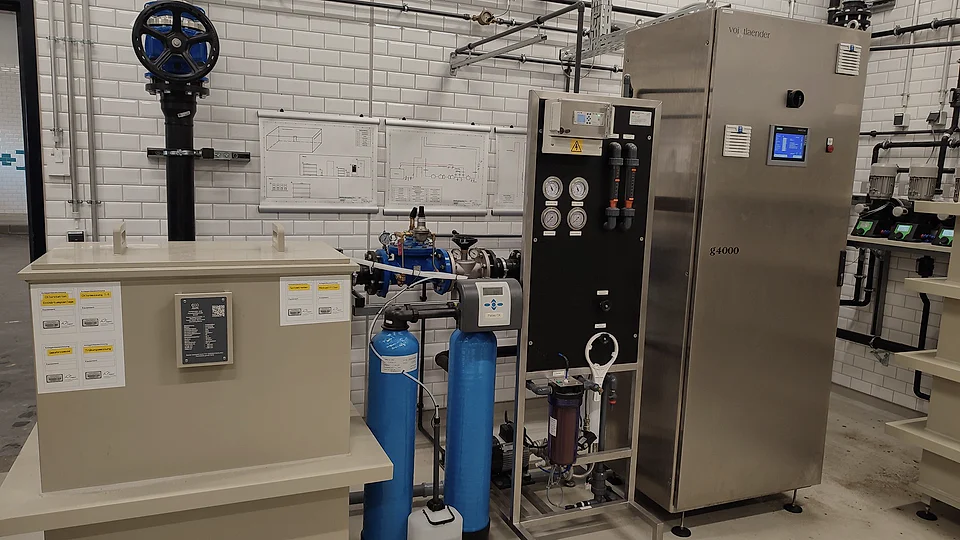
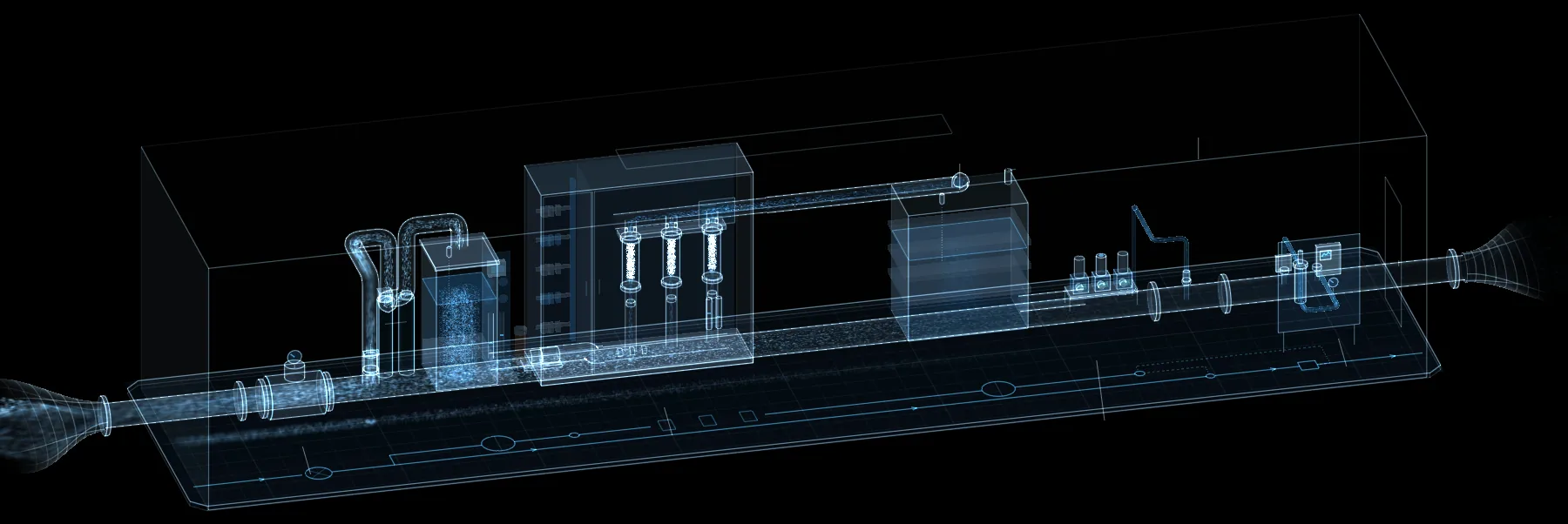
Inlet and water meter, brine tank, the three-chamber generator, anolyte tank, demand-led dosing, measurement and control. Press “Show me the process” to start the animated 3D diagram.

ready

Modelled from the Voigtländer plant schematic of an anolyte system, in the drawing language of the home page. The cards show documented facts only, no invented figures.

What the documentation records

Size, volume and approach

58 apartmentsin a complex built to the Passivhaus standard
22 m³/daydrinking water requirement, approximately
20 m³of that water is circulated through the building
Constant dosinganolyte is dosed continuously into the mains water
up to 30%energy cost saving reported for this building

Source: Voigtländer case study, residential complex. All statements relate to this project.

What this project shows

What this reference shows and what not

Source: Voigtländer case study. All values relate to this site.

What this reference shows

  • That a circulated system in a low-energy building can be held with continuous dosing.
  • That the approach addresses the circulated water and the biofilm in the circuit, not only a single sample point.
  • Warm-water temperature changed 65 → 45 °C, with energy cost savings of up to 30% at this site.

What it does not show

  • A guarantee of compliance through technology alone. Structural and operational causes still have to be dealt with.

From reference to your project

How this works for your site.

This project shows one application. Explore the treatment approach and the decisions that matter before adapting it to your site.

Your building

Start with the water system

The first step is a look at the water system, the circulation and the way the building is run. From there follow dosing, measurement and documentation.

No obligationPersonal response after review

+49 89 90 17 39 75

Speak to our team directly

Prefer a conversation to a form? We assess your situation professionally and name the next review step.

Get in touch ›

Send in a water analysis

Already have analysis values? Send them to us, and we will review them and come back with a first assessment.

Send an analysis ›